Notes on Battery Delivery to Vietnam
- Time of issue:2025-09-19
Notes on Battery Delivery to Vietnam
- Time of issue:2025-09-19
Battery Delivery to Vietnam: A Comprehensive Guide for Efficient Logistics
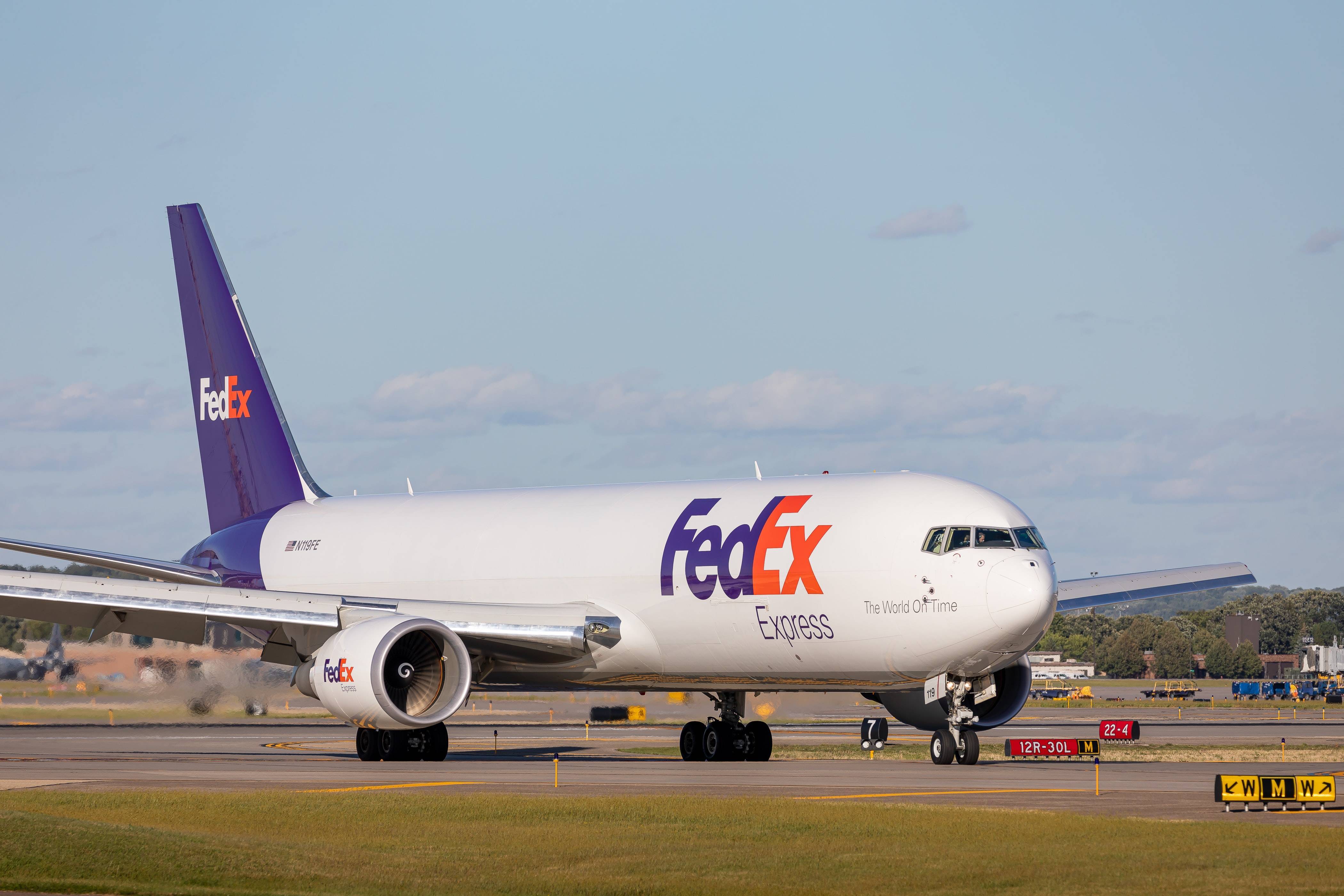
Vietnam has become a key player in the Southeast Asian market, with an increasing demand for batteries, especially in sectors such as electric vehicles (EVs), renewable energy, and consumer electronics. Efficient battery delivery to Vietnam requires understanding the logistical complexities and regulatory requirements involved. This article provides an overview of the essential aspects of battery delivery to Vietnam, including key considerations, shipping options, and best practices to ensure smooth and cost-effective delivery.
Understanding the Market for Batteries in Vietnam
Vietnam’s burgeoning electric vehicle (EV) market is driving significant demand for batteries. The Vietnamese government is actively encouraging the transition to cleaner energy sources, creating favorable conditions for the growth of renewable energy and electric mobility. As a result, the battery industry is poised for growth, with both international and domestic companies seeking to meet the rising demand.
However, with this growth comes the challenge of efficiently transporting batteries into the country. Given that batteries, especially lithium-ion types, pose specific risks during transportation, careful planning and execution are required to meet both safety and regulatory standards.
Key Considerations for Battery Delivery to Vietnam
When delivering batteries to Vietnam, several key factors must be considered to ensure compliance with local regulations and the safe arrival of goods.
1. Regulatory Compliance:
Vietnam has strict regulations governing the import and transportation of hazardous materials, including batteries. Importers must ensure that they meet the Vietnamese Customs and Safety regulations, which are in line with international standards such as those outlined by the International Maritime Dangerous Goods (IMDG) Code and the International Air Transport Association (IATA) Dangerous Goods Regulations.
2. Packaging and Labeling:
Proper packaging is crucial when delivering batteries to Vietnam. Batteries must be packed in a way that prevents leakage, short circuits, and other risks associated with damage during transit. Additionally, all shipments should be clearly labeled with the appropriate dangerous goods symbols and handling instructions. This ensures that customs officers and transportation providers can handle the batteries correctly, mitigating potential risks.
3. Transportation Method:
The mode of transport will depend on the volume of batteries being delivered, the delivery deadline, and the specific regulations that apply. Airfreight is often used for smaller, time-sensitive shipments due to its speed, but it is more expensive. Sea freight, on the other hand, is a more economical option for larger shipments, though it typically takes longer to reach Vietnam. For both methods, it's important to choose carriers who specialize in the transportation of hazardous materials.
Best Practices for Battery Delivery to Vietnam
To ensure that your battery shipments to Vietnam are successful, it’s crucial to follow some best practices to streamline the process and avoid costly delays.
1. Work with Experienced Logistics Providers:
Partnering with a logistics company that has experience in handling battery shipments to Vietnam can significantly reduce the risk of issues during transit. These providers will be familiar with customs clearance procedures, dangerous goods regulations, and the necessary documentation, helping to ensure that your shipment reaches Vietnam without unnecessary delays.
2. Pre-Arrival Planning:
One of the most effective ways to ensure smooth delivery is to plan ahead. This includes confirming the correct HS code (Harmonized System code) for batteries, understanding applicable import duties, and obtaining the necessary import permits if required. Make sure all customs documentation is accurately filled out to avoid delays at the border.
3. Safety Measures:
Since batteries can be dangerous goods, special safety measures must be taken during transit. Lithium-ion batteries, for instance, can overheat and cause fires if damaged or improperly handled. Be sure to follow the appropriate packaging guidelines, use fire-resistant containers where necessary, and ensure that the transportation vehicle is properly equipped with fire suppression systems, especially if shipping large quantities of batteries.
4. Insurance:
Considering the high value and risks associated with battery shipments, it is wise to insure your cargo. This will provide peace of mind in case of damage, loss, or accidents during transit. Many logistics providers offer tailored insurance packages for dangerous goods like batteries.
Customs Clearance Process in Vietnam
Upon arrival in Vietnam, battery shipments are subject to customs clearance. The customs process can be complex, especially when dealing with dangerous goods. To avoid delays and fines, ensure that all required documentation is prepared in advance.
Some common documents required for battery imports include:
- Bill of Lading
- Invoice and Packing List
- Certificate of Origin
- Dangerous Goods Declaration
- Import License (if applicable)
Working with a local customs broker can help navigate these requirements efficiently.
Conclusion
The delivery of batteries to Vietnam presents unique challenges, but with proper preparation and knowledge of regulations, it is entirely feasible. By understanding the market, following safety and regulatory guidelines, and working with experienced logistics partners, companies can ensure the timely and safe delivery of their battery shipments to Vietnam. As the demand for batteries in Vietnam continues to grow, businesses that can navigate the complexities of battery transportation will be well-positioned to thrive in this expanding market.
By adhering to best practices and staying informed about the latest logistics trends and regulations, companies can ensure that their battery deliveries to Vietnam are as efficient and cost-effective as possible.
Adhering to the business philosophy of "customer-centric" honesty first, pragmatic innovation", we focus on providing customers with "professional, safe, efficient and economical" international logistics services, and strive to become the first choice in the minds of customers.
ADDRESS: 101 Qinghui International, No. 160 Qisha Ferry Road, Shatian Town, Dongguan City, Guangdong Province
CONTACT NUMBER: 13620081619 / 18680404400
CONTACT PERSON: Shelly / Alan
E-mail: shelly@qhgj56.com
alan@qhgj56.com
Copyright © 2025 QH INTERNATIONAL LOGISTICS LIMITED