Shipping batteries to Vietnam by sea, including taxes and double clearance, to your doorstep
- Time of issue:2025-09-19
Shipping batteries to Vietnam by sea, including taxes and double clearance, to your doorstep
- Time of issue:2025-09-19
Shipping Batteries to Vietnam by Sea: Including Taxes and Double Clearance to Your Doorstep
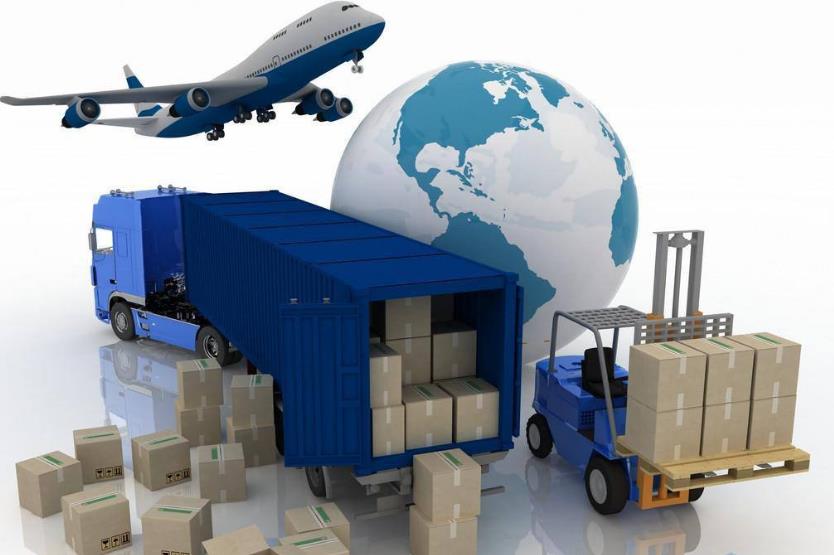
When it comes to shipping batteries internationally, particularly by sea, it is essential to understand the complexities involved, especially when sending goods to countries like Vietnam. Shipping batteries is not as simple as sending regular goods due to the special handling requirements, safety regulations, and potential for hazardous materials. This article will guide you through the process of shipping batteries to Vietnam, including taxes, double clearance, and how to ensure your shipment arrives at your doorstep safely and efficiently.
Why Choose Sea Shipping for Batteries to Vietnam?
Sea freight is one of the most cost-effective ways to transport goods over long distances, including shipping batteries to Vietnam. While air shipping might be faster, sea shipping offers a better solution for larger volumes or heavier shipments, as it tends to be much cheaper. The journey might take longer, but sea freight allows businesses to ship large quantities without incurring the high costs associated with air transport.
In addition, sea freight has a lower environmental impact, which aligns with the growing demand for sustainable logistics practices. However, when it comes to batteries, special care must be taken to ensure the shipment complies with international shipping regulations.
Understanding Battery Shipping Regulations
Batteries, particularly lithium-ion batteries, are classified as dangerous goods due to their potential to overheat, catch fire, or even explode under certain conditions. As a result, shipping companies and freight forwarders must follow strict regulations for shipping batteries, especially when using sea freight.
The International Maritime Dangerous Goods (IMDG) Code governs the shipment of dangerous goods by sea, including batteries. These regulations require that batteries be correctly packaged, labeled, and documented. Additionally, some countries, including Vietnam, have specific import restrictions and clearance procedures when dealing with batteries.
Import Taxes and Customs Duties in Vietnam
Vietnam imposes various taxes and duties on imported goods, including batteries. These charges depend on the type, value, and quantity of batteries being shipped. As of recent updates, the Value Added Tax (VAT) in Vietnam is 10%, which applies to most imported goods, including batteries.
Apart from VAT, there may be customs duties based on the classification of the battery type and its value. It is essential to consult with a customs broker or logistics provider familiar with the Vietnamese customs procedures to avoid unexpected costs or delays. Customs duties can vary depending on whether you are shipping rechargeable batteries, lead-acid batteries, or lithium-ion batteries, so classification is crucial to determining the right amount of duty.
Double Clearance: What Does It Mean?
Double clearance refers to the two-step process that batteries typically undergo when entering Vietnam.
1. Import Clearance at the Port: When the shipment arrives at the port of entry in Vietnam, it undergoes the first clearance, where customs officers check the shipment against the declared documents and verify that it complies with safety regulations. This includes inspecting the packaging and labeling to ensure it meets the IMDG Code.
2. Local Customs Clearance: After the shipment clears port customs, it must go through the local customs process to be released for final delivery to the destination. This includes paying any applicable duties and taxes, submitting additional documents, and completing inspections if necessary.
Double clearance is an important aspect of shipping to Vietnam because it ensures that all requirements are met, and that the shipment is legally able to be distributed within the country. Any mistakes in documentation, classification, or payment could lead to delays or fines.
Ensuring Safe Delivery to Your Doorstep
Once the batteries have cleared customs and all taxes have been paid, the next step is doorstep delivery. Most reliable freight forwarders and logistics providers will offer a door-to-door service, which means they will pick up the shipment from the port and deliver it directly to your specified address in Vietnam.
To ensure a smooth delivery, it's essential to:
- Choose a reputable logistics provider with experience in shipping batteries to Vietnam. They should be familiar with both international regulations and local customs procedures.
- Prepare the necessary documents such as the commercial invoice, packing list, and certificate of origin. You may also need a dangerous goods declaration for the batteries.
- Track your shipment using the tracking system provided by the shipping company to stay updated on its status.
Packaging and Labeling: A Critical Part of Shipping
The packaging and labeling of batteries are crucial to ensure that your shipment complies with all safety regulations. Batteries should be packed in strong, insulated boxes to prevent short-circuiting or damage during transit. Lithium-ion batteries, in particular, need to be shipped in specialized packaging that minimizes the risk of fire or explosion.
Proper hazardous materials labeling is also required. This includes warning symbols, the UN number (e.g., UN3480 for lithium-ion batteries), and special handling instructions. Any failure to properly label the shipment can result in delays, fines, or even the rejection of the shipment.
Conclusion
Shipping batteries to Vietnam by sea involves navigating various regulatory hurdles, from taxes and customs duties to double clearance and packaging requirements. While sea shipping may take longer than air freight, it offers a more affordable and environmentally friendly solution for larger shipments. By understanding the complexities of battery shipping regulations, customs clearance, and import taxes, you can ensure that your batteries reach Vietnam safely and efficiently, with minimal hassle.
With careful planning, the right logistics partner, and adherence to all regulations, you can smoothly ship batteries to Vietnam and have them delivered directly to your doorstep. Whether you’re shipping lithium-ion batteries, lead-acid batteries, or any other type, staying informed and compliant with the shipping process is key to avoiding unnecessary delays or unexpected costs.

Adhering to the business philosophy of "customer-centric" honesty first, pragmatic innovation", we focus on providing customers with "professional, safe, efficient and economical" international logistics services, and strive to become the first choice in the minds of customers.
ADDRESS: 101 Qinghui International, No. 160 Qisha Ferry Road, Shatian Town, Dongguan City, Guangdong Province
CONTACT NUMBER: 13620081619 / 18680404400
CONTACT PERSON: Shelly / Alan
E-mail: shelly@qhgj56.com
alan@qhgj56.com
Copyright © 2025 QH INTERNATIONAL LOGISTICS LIMITED