Express transportation plan for batteries to Vietnam
- Time of issue:2025-09-19
Express transportation plan for batteries to Vietnam
- Time of issue:2025-09-19
In the globalized world of trade and logistics, the transportation of batteries—especially to countries like Vietnam—has become a critical area of focus. Batteries, which power a range of products from smartphones to electric vehicles, are classified as dangerous goods due to their chemical composition and potential risks during transport. Therefore, the logistics process requires careful planning, adherence to regulations, and a streamlined, express transportation plan to ensure that deliveries are not only timely but also safe. This article outlines the most effective strategy for transporting batteries to Vietnam with an emphasis on speed, safety, and compliance.
Understanding the Challenges of Battery Transport
Batteries are considered dangerous goods because of their potential to cause fires or chemical spills if not handled properly. This is especially true for lithium-ion batteries, commonly used in electronic devices and electric vehicles. These batteries are sensitive to temperature fluctuations, physical damage, and overcharging, which can lead to fires or explosions.
When shipping to countries like Vietnam, which are emerging as significant hubs for electronics and renewable energy, it’s essential to implement a transportation plan that meets international safety standards while ensuring quick delivery.
Regulatory Compliance and Safety Standards
One of the first steps in creating an express transportation plan for batteries is ensuring compliance with international regulations. Shipping lithium-ion and other types of batteries is subject to strict regulations, including those set by:
- International Air Transport Association (IATA)
- International Maritime Organization (IMO)
- United Nations Recommendations on the Transport of Dangerous Goods
These regulations require that batteries be packaged in approved containers, clearly labeled with hazardous materials symbols, and documented with the appropriate dangerous goods declaration. Ensuring full compliance with these laws is critical not only for safety but also for avoiding costly penalties and delays.
In Vietnam, the Vietnam Ministry of Transport and the General Department of Vietnam Customs enforce additional local regulations, including the inspection and clearance of hazardous materials at entry points. Partnering with a logistics company that is familiar with these regulations ensures smooth customs clearance and avoids unnecessary delays.
Choosing the Right Transportation Method
The next decision to make in the transportation plan is selecting the appropriate shipping method. Since time is often a factor in express transportation, it’s important to strike a balance between cost, speed, and safety.
1. Air Freight
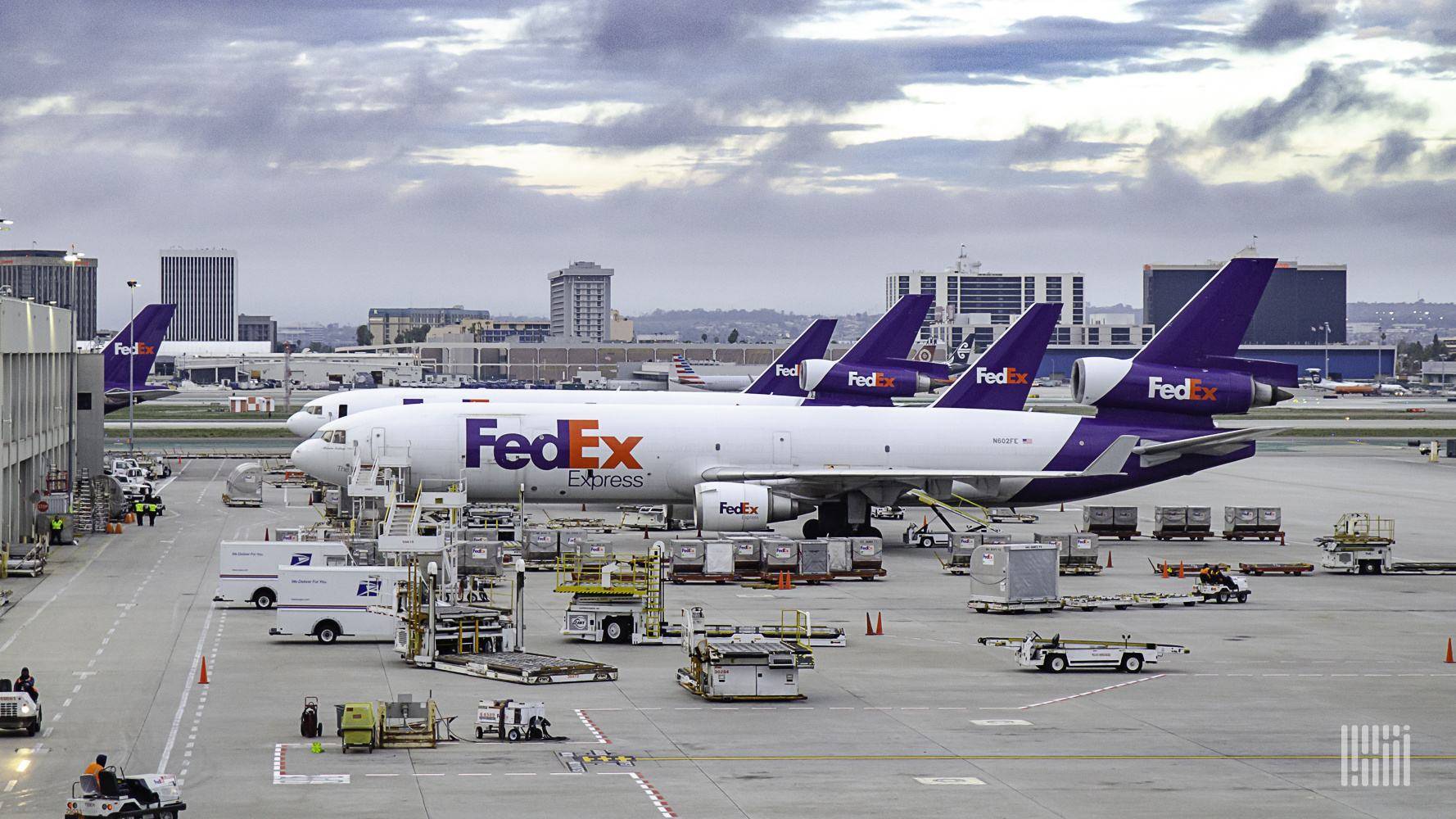
Air freight is the fastest method for transporting batteries, especially for urgent shipments. It is ideal for small to medium-sized orders or high-value goods. However, due to the dangerous nature of batteries, air carriers have strict rules regarding packaging, labeling, and the types of batteries allowed on board. Air transport is more expensive than sea freight but is often worth the investment when speed is critical.
2. Sea Freight
For larger shipments, sea freight can be a more cost-effective option. Although sea freight typically takes longer than air freight, it can be a suitable choice for bulk shipments of batteries. It’s essential to use specialized containers that prevent damage and ensure safe handling during transit. Sea freight can also accommodate larger quantities, which is ideal for businesses looking to distribute batteries on a larger scale in Vietnam.
3. Land Transport
For deliveries within Vietnam, land transport is an essential part of the equation. After arriving at Ho Chi Minh City or Hanoi Port, the shipment will need to be moved to its final destination. This step can be carried out using specialized trucks equipped to handle dangerous goods.
Incorporating real-time tracking and advanced route planning into the land transport strategy can reduce delays and ensure timely deliveries.
Optimal Packaging Solutions for Battery Shipping
An essential aspect of express transportation is ensuring the batteries are securely packaged. Proper packaging reduces the risk of damage, leakage, or short circuits during transit. The packaging should include:
- Non-conductive materials to prevent battery terminals from coming into contact with each other.
- Shock absorbent materials to protect the batteries from physical damage.
- Outer cartons with clear hazard symbols to comply with international regulations.
- Battery-specific labels that highlight any special handling instructions.
In addition, batteries should be separated from other cargo to avoid any interaction that could trigger an unsafe reaction. This level of detail will also be critical when undergoing customs inspections in Vietnam.
The Role of Customs and Import Clearance in Vietnam
Efficient customs clearance is an often-overlooked aspect of international logistics. With Vietnam's strategic location in Southeast Asia and its growing role as a logistics hub, having a reliable customs broker can make a significant difference. A customs broker with experience in dangerous goods shipments ensures that all paperwork is in order and that the batteries can clear customs without unnecessary delays.
Vietnam’s import regulations require thorough documentation for battery shipments, including:
- Import permits for hazardous materials.
- Safety data sheets (SDS) for lithium-ion batteries.
- Customs declarations to ensure correct tariff codes and duties are applied.
Partnering with an experienced third-party logistics provider (3PL) with expertise in both dangerous goods shipping and Vietnamese customs procedures can significantly streamline this process.
Time-Sensitive Solutions: Priority Shipping and Door-to-Door Services
For businesses that require fast delivery, priority shipping and door-to-door services are excellent options. This method involves the logistics company managing the entire shipment, from pickup to delivery at the final destination. Priority shipping also ensures that batteries are shipped via the most direct route, minimizing delays and ensuring timely arrival.
With real-time tracking available through mobile apps and web-based portals, both the sender and recipient can monitor the shipment’s progress. Live updates on customs clearance, transit, and estimated delivery times provide peace of mind and enable quick action in case of any unexpected delays.
Conclusion
The transportation of batteries to Vietnam requires careful planning, strict adherence to international safety regulations, and a well-organized logistics strategy. Whether opting for air, sea, or land freight, ensuring that the shipment is packaged properly, customs documentation is complete, and the transportation is as efficient and fast as possible, will make a significant difference. By focusing on these key areas, businesses can ensure a smooth, safe, and timely delivery of their batteries, meeting the growing demands of Vietnam’s electronics and renewable energy sectors.
Adhering to the business philosophy of "customer-centric" honesty first, pragmatic innovation", we focus on providing customers with "professional, safe, efficient and economical" international logistics services, and strive to become the first choice in the minds of customers.
ADDRESS: 101 Qinghui International, No. 160 Qisha Ferry Road, Shatian Town, Dongguan City, Guangdong Province
CONTACT NUMBER: 13620081619 / 18680404400
CONTACT PERSON: Shelly / Alan
E-mail: shelly@qhgj56.com
alan@qhgj56.com
Copyright © 2025 QH INTERNATIONAL LOGISTICS LIMITED