Sea freight service for batteries to Thailand
- Time of issue:2025-09-16
Sea freight service for batteries to Thailand
- Time of issue:2025-09-16
When it comes to international shipping, one of the most common queries in the logistics industry is how to transport batteries safely and efficiently. Batteries, especially lithium-ion types, are categorized as dangerous goods due to their flammability and risk of explosion under certain conditions. For businesses or individuals shipping batteries to Thailand, using sea freight services can be a highly cost-effective solution. However, there are various considerations to keep in mind, ranging from legal compliance to packaging requirements. This article will explore how sea freight services for batteries work, highlight the key considerations, and discuss why they’re a popular choice for shipments to Thailand.
Why Choose Sea Freight for Batteries?
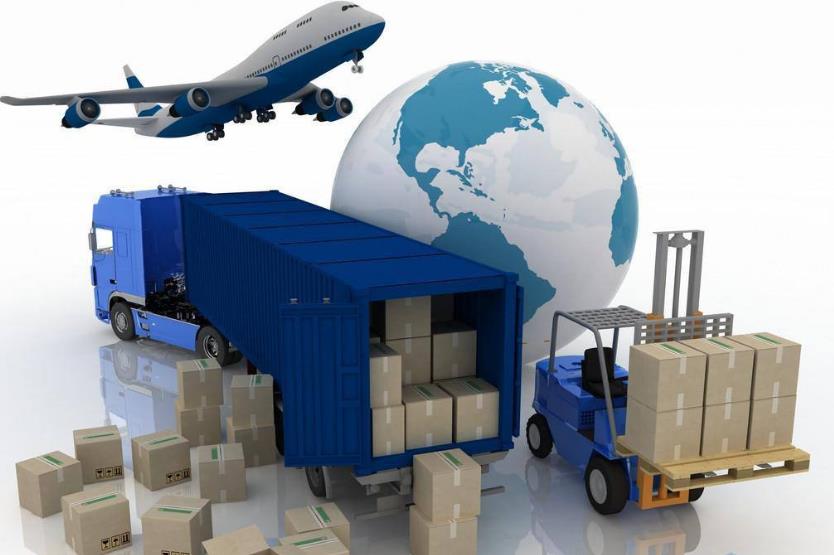
Sea freight offers a more economical alternative to air shipping, particularly for bulkier or heavier items like batteries. Shipping by sea can be significantly cheaper than air freight, especially when dealing with large quantities or industrial-sized shipments. For businesses that need to move batteries in large volumes, sea freight provides a reliable, cost-efficient method for international delivery.
Another benefit of sea freight is the ability to accommodate large shipments, which is often crucial when dealing with battery manufacturers or wholesalers. While air freight can impose strict volume and weight limits, sea freight typically offers much more flexibility in terms of cargo size. This makes it an attractive option for bulk battery shipments to Thailand, where the demand for electronic goods and energy storage solutions continues to grow.
Key Considerations When Shipping Batteries to Thailand by Sea
1. Dangerous Goods Regulations (DGR)
Batteries, especially lithium-ion types, fall under dangerous goods regulations due to their potential hazards. When shipping batteries by sea, you must comply with the International Maritime Dangerous Goods (IMDG) Code, which governs the safe transport of dangerous goods by sea. Thailand, like most countries, adheres to these regulations, so it’s essential to ensure your shipment meets these safety standards.
The IMDG Code outlines specific packaging, labeling, and documentation requirements for dangerous goods. You’ll need to ensure your batteries are correctly classified, packed in approved containers, and clearly labeled to prevent accidents during transport. Failure to comply with these regulations can lead to significant delays, fines, or even confiscation of goods.
2. Packaging and Labeling Requirements
Proper packaging is critical when shipping batteries by sea. Depending on the type and size of the battery, special packaging may be required to minimize the risk of short circuits, leakage, or thermal runaway. For instance, lithium-ion batteries must be packed in strong, non-conductive containers that prevent them from touching each other or other materials that could cause a short circuit.
Additionally, your shipment must be labeled correctly with the appropriate dangerous goods labels. These labels typically include symbols indicating the type of hazard and specific instructions for handling. Without proper labeling and packaging, your shipment may be delayed or even rejected by customs or shipping authorities.
3. Customs Clearance and Documentation
Shipping batteries to Thailand involves passing through customs clearance procedures. It’s crucial to ensure that your documentation is complete and accurate. Common required documents include:
- Commercial invoice: Outlining the value of the goods
- Packing list: Detailing the contents of the shipment
- Dangerous goods declaration: Confirming compliance with IMDG regulations
- Bill of lading: A shipping contract and proof of cargo receipt
Having all necessary documents prepared in advance can significantly expedite the clearance process and help avoid any unexpected delays. It’s also important to note that Thailand has specific import regulations that you must adhere to, so consulting with a customs broker or freight forwarder familiar with Thai regulations is advisable.
4. Transit Time and Delivery Options
While sea freight is more economical, it typically comes with a longer transit time compared to air freight. Depending on the origin port, shipping to Thailand by sea can take anywhere from 20 to 40 days, depending on factors like port congestion, customs clearance, and route selection.
For businesses that need quicker delivery, express sea freight services might be an option, although they can come at a premium. To ensure timely delivery, it’s important to factor in the transit time when planning your shipment and coordinate with your supplier or freight forwarder to ensure the schedule aligns with your business needs.
The Role of Freight Forwarders in Battery Shipments
If you’re unfamiliar with the process or lack the resources to handle international shipping logistics, it’s advisable to work with a reputable freight forwarder. These companies specialize in managing the complex details of international shipments and can help you navigate the regulations, documentation, and shipping process. A good freight forwarder will also help with customs clearance and ensure that all safety protocols are met, minimizing the risk of delays or fines.
Conclusion
Shipping batteries to Thailand by sea freight is a reliable, cost-effective solution for businesses involved in the production or distribution of electronic products. By understanding the legal and logistical requirements, such as dangerous goods regulations, proper packaging, and customs documentation, you can ensure a smooth shipping process. While sea freight may take longer than air freight, the benefits in terms of cost savings and the ability to ship larger volumes make it an ideal choice for many companies.
To ensure the safe, timely, and compliant transport of your batteries, it’s crucial to work with professionals who understand the unique challenges and requirements of shipping hazardous materials. By choosing the right freight forwarder and ensuring full compliance with the necessary regulations, you can streamline the process and focus on growing your business in Thailand’s expanding market.
Adhering to the business philosophy of "customer-centric" honesty first, pragmatic innovation", we focus on providing customers with "professional, safe, efficient and economical" international logistics services, and strive to become the first choice in the minds of customers.
ADDRESS: 101 Qinghui International, No. 160 Qisha Ferry Road, Shatian Town, Dongguan City, Guangdong Province
CONTACT NUMBER: 13620081619 / 18680404400
CONTACT PERSON: Shelly / Alan
E-mail: shelly@qhgj56.com
alan@qhgj56.com
Copyright © 2025 QH INTERNATIONAL LOGISTICS LIMITED