
Battery to Thailand Shipping Company
- Time of issue:2025-09-16
Battery to Thailand Shipping Company
- Time of issue:2025-09-16
Shipping Batteries to Thailand: Your Ultimate Guide to Safe and Efficient Delivery
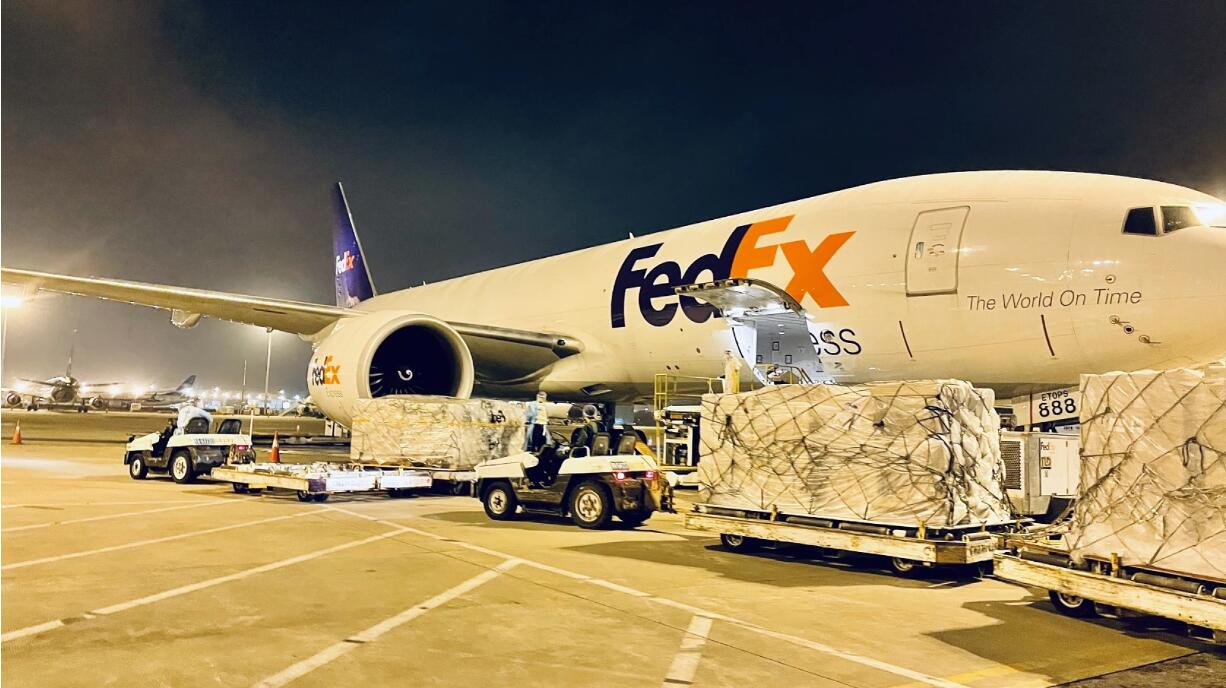
When it comes to international shipping, transporting batteries to Thailand requires careful planning and adherence to specific regulations. Whether you’re an e-commerce business owner, a manufacturer, or an individual looking to ship batteries, understanding the complexities of battery shipping is crucial. This article will guide you through the essentials of shipping batteries to Thailand, from regulations to choosing the right shipping company.
1. Understanding Battery Shipping Regulations
Shipping batteries internationally, especially to countries like Thailand, is governed by strict rules due to the hazardous nature of certain types of batteries. Batteries, especially lithium-ion and lithium metal batteries, are classified as dangerous goods. They pose risks such as fires or explosions during transit if not handled properly. Therefore, it's important to familiarize yourself with the regulations to avoid costly mistakes and ensure the safety of your shipment.
Key Regulations for Shipping Batteries to Thailand:
- Lithium Batteries: Both UN3480 (lithium batteries in equipment) and UN3481 (lithium batteries contained in or packed with equipment) are subject to international shipping regulations. They must be packed according to IATA (International Air Transport Association) and IMDG (International Maritime Dangerous Goods) guidelines.
- Non-Lithium Batteries: Shipping non-lithium batteries, such as alkaline or lead-acid batteries, also requires compliance with safety standards. However, the regulations for these batteries tend to be less stringent than for lithium types.
- Labeling and Documentation: Each shipment containing batteries must have correct labeling. A dangerous goods label should be attached, and specific dangerous goods declaration forms must be filled out. Failing to comply with these regulations may result in fines or delayed shipments.
2. Choosing the Right Shipping Company
Selecting the right shipping company to handle battery shipments to Thailand can make a significant difference in ensuring timely and safe delivery. Battery shipping requires a company experienced in handling dangerous goods and fully compliant with international regulations. Here are some factors to consider when choosing a shipping company:
- Experience with Dangerous Goods: Ensure the shipping company has experience handling hazardous materials. Many logistics companies specialize in dangerous goods shipping and are well-versed in the complex requirements for shipping batteries.
- Shipping Method: Depending on the type and quantity of the batteries, you may need to choose between air freight and sea freight. Air freight is quicker but often more expensive, while sea freight is more economical but slower. Choose a shipping company that offers both options.
- Customs Expertise: Shipping batteries to Thailand requires clearance through Thai Customs. A reliable shipping company should have a deep understanding of Thailand’s customs procedures, helping you avoid delays at customs and ensuring your shipment complies with local laws.
- Tracking and Insurance: Choose a shipping company that offers real-time tracking and insurance options. In case of mishaps during transit, insurance can provide peace of mind and protect your investment.
3. Packaging Requirements for Battery Shipments
Correct packaging is paramount when shipping batteries internationally. Proper packaging not only ensures that your batteries remain safe during transit but also helps you comply with regulatory standards.
- Lithium-ion Batteries: These must be packed in strong, protective packaging to prevent short circuits. Packaging must include non-conductive materials, such as plastic or foam, to isolate the terminals. Additionally, batteries should be placed in flammable-proof boxes.
- Non-Lithium Batteries: While non-lithium batteries are generally less hazardous, they still require proper packaging to prevent leaks, spills, or contact with other hazardous materials.
- Specialized Containers: For larger shipments, you might need to use specialized containers designed for dangerous goods. Make sure the container complies with IATA or IMDG standards.
4. Customs and Import Procedures in Thailand
Once the battery shipment arrives in Thailand, it must pass through Thai Customs. The importation of batteries is regulated, and failure to comply with customs laws can lead to shipment delays or fines.
- Customs Declaration: All shipments to Thailand require a customs declaration. You must provide detailed information about the contents of your shipment, including the type of batteries, the quantity, and the value.
- Import Duty and Taxes: Batteries are subject to import duties and taxes in Thailand. These charges vary based on the battery type, and it is essential to be aware of the costs involved.
- Compliance with Thai Standards: Thailand has specific safety standards for electrical and electronic products, including batteries. Ensure that the batteries you are shipping comply with Thai regulations, such as the Thai Industrial Standards Institute (TISI).
5. Cost of Shipping Batteries to Thailand
The cost of shipping batteries to Thailand depends on several factors, including the type of battery, shipping method, destination, and size of the shipment. Below are some factors that impact the cost:
- Shipping Method: As mentioned, air freight is faster but more expensive compared to sea freight. Choose the method that best fits your time constraints and budget.
- Battery Type: Lithium batteries often incur higher shipping costs due to their hazardous nature. Non-lithium batteries are generally cheaper to ship.
- Shipping Volume: Larger shipments typically qualify for volume discounts. However, you must ensure that the packaging and handling requirements are met, which may incur additional costs.
6. Conclusion
Shipping batteries to Thailand can be a straightforward process if you are well-informed about the necessary regulations, packaging requirements, and customs procedures. By choosing a reliable and experienced shipping company, you can ensure your shipment arrives safely and complies with all international and local laws. Always prioritize safety and adhere to the packaging and labeling guidelines to avoid complications during transit. With the right preparation and support, shipping batteries to Thailand can be an efficient and successful endeavor.
Remember, the shipping process for batteries may seem complex, but with the right knowledge and careful planning, you can navigate it successfully and avoid costly mistakes.

Adhering to the business philosophy of "customer-centric" honesty first, pragmatic innovation", we focus on providing customers with "professional, safe, efficient and economical" international logistics services, and strive to become the first choice in the minds of customers.
ADDRESS: 101 Qinghui International, No. 160 Qisha Ferry Road, Shatian Town, Dongguan City, Guangdong Province
CONTACT NUMBER: 13620081619 / 18680404400
CONTACT PERSON: Shelly / Alan
E-mail: shelly@qhgj56.com
alan@qhgj56.com
Copyright © 2025 QH INTERNATIONAL LOGISTICS LIMITED