

Clothing shipping service to the United States by sea
- Time of issue:2025-08-12
Clothing shipping service to the United States by sea
- Time of issue:2025-08-12
Shipping Clothing to the United States by Sea: A Comprehensive Guide
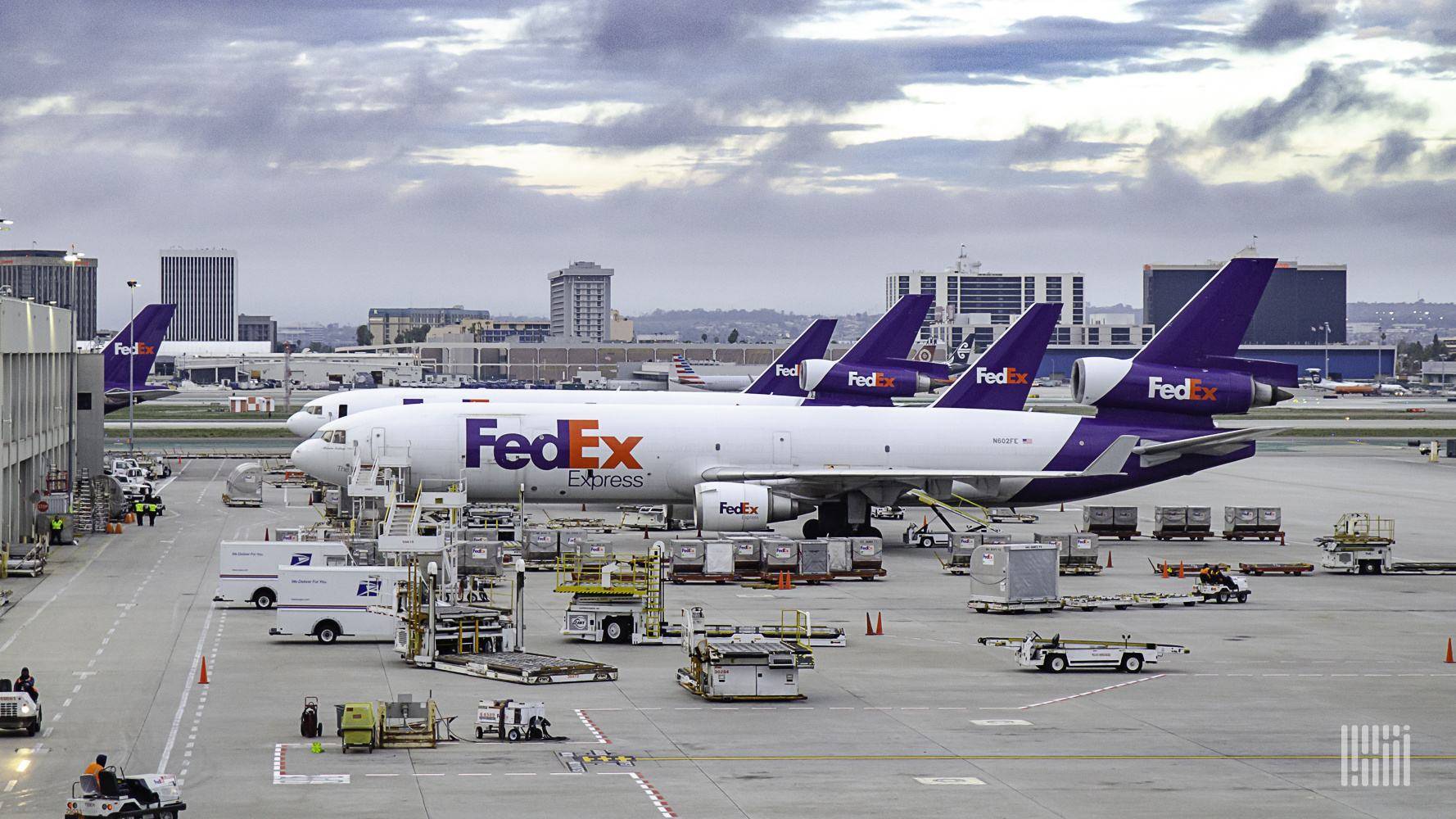
When it comes to shipping clothing to the United States, sea freight is one of the most reliable and cost-effective methods. This option is especially popular for large quantities of goods, as it allows for bulk transportation at a lower cost compared to air shipping. However, shipping by sea requires careful planning and understanding of the logistics involved. In this article, we will explore the process of shipping clothing to the U.S. by sea, covering everything from the preparation of shipments to delivery at the final destination.
Understanding Sea Freight for Clothing
Sea freight is the transportation of goods via ocean vessels. It is widely used for international shipping because of its ability to carry large volumes of goods over long distances at a relatively low cost. When shipping clothing to the United States, sea freight can accommodate both full container loads (FCL) and less than container loads (LCL), depending on the volume of your shipment.
- FCL (Full Container Load): This is the best option if you have a large quantity of clothing to ship. You rent an entire shipping container, which means no shared space with other shippers. It’s cost-effective when you’re sending a large shipment.
- LCL (Less than Container Load): For smaller shipments, LCL is ideal. In this case, your clothing will be consolidated with other goods in the same container. The shipping cost is based on the volume or weight of the goods, making it more affordable for smaller businesses or first-time shippers.
Key Steps in Shipping Clothing to the United States
1. Choosing the Right Shipping Method
The first step is to decide on the shipping method that best suits your needs. If you are shipping small batches of clothing, LCL may be more appropriate, whereas larger shipments are better suited for FCL. Understanding your shipment's size will help you avoid unnecessary costs.
2. Packaging and Labeling
Proper packaging is critical to prevent damage during transit. Clothing should be packed tightly and securely in boxes or pallets, with adequate cushioning to protect the items from moisture, pressure, and rough handling. Labels should include clear details about the contents, weight, and destination.
Additionally, labeling your shipments correctly is essential for customs clearance. Incorrect or missing labels can lead to delays, fines, or loss of goods. Ensure each package has the correct bill of lading, invoice, and any necessary customs documentation.
3. Customs and Import Duties
Before your clothing can enter the U.S., it must clear customs. The United States imposes import duties and taxes on goods entering the country. Clothing typically falls under the HTS (Harmonized Tariff Schedule) code, and import duties are determined based on the type and value of the goods being shipped. It’s important to research the applicable tariffs and ensure your shipment complies with U.S. customs regulations.
You can hire a customs broker to handle the paperwork and make sure that everything is in order. This can save you time and reduce the likelihood of delays.
4. Selecting a Shipping Carrier
Choosing the right shipping carrier is crucial for timely and secure delivery. Major ocean carriers such as Maersk, CMA CGM, and MSC offer specialized services for clothing shipments to the United States. It's important to compare rates and service levels based on your needs and delivery timeline.
Your shipping carrier will assist you with the booking process, which includes reserving the shipping space and determining the most efficient shipping route. Typically, shipments from overseas ports to the U.S. take between 15 to 30 days, depending on the origin and destination ports.
5. Tracking Your Shipment
Once your clothing is in transit, it’s important to track the shipment. Most ocean carriers offer tracking systems that allow you to monitor your shipment’s progress. This can give you peace of mind and help you anticipate any potential delays.
6. Final Delivery
Upon arrival at the U.S. port, the clothing shipment will be unloaded and sent for customs clearance. After clearing customs, the shipment is transferred to a domestic carrier for final delivery to your warehouse, store, or distribution center. Depending on your delivery arrangements, the shipment can be delivered directly to a local distribution hub or to the address you specified.
Tips for Successful Sea Freight Shipping
- Plan in advance: Sea freight is generally slower than air freight, so it’s important to plan your shipments well in advance to avoid delays.
- Understand the incoterms: Incoterms (International Commercial Terms) define the responsibilities of the seller and buyer in international shipping. Familiarize yourself with terms like FOB (Free on Board) and CIF (Cost, Insurance, and Freight) to avoid misunderstandings.
- Consolidate shipments: If you have smaller shipments, consider consolidating them into one larger shipment to save on costs.
- Choose a reputable freight forwarder: Working with a reliable freight forwarder can make the process smoother, as they can handle much of the logistics and paperwork involved in sea freight.
Conclusion
Shipping clothing to the United States by sea is an efficient and cost-effective method, especially for large shipments. By understanding the process, from choosing the right shipping method to clearing customs, you can ensure a smooth and successful delivery. Remember, proper packaging, documentation, and tracking are key to avoiding delays or complications. Whether you choose FCL or LCL shipping, having the right partners and knowledge in place will make all the difference.

Adhering to the business philosophy of "customer-centric" honesty first, pragmatic innovation", we focus on providing customers with "professional, safe, efficient and economical" international logistics services, and strive to become the first choice in the minds of customers.
ADDRESS: 101 Qinghui International, No. 160 Qisha Ferry Road, Shatian Town, Dongguan City, Guangdong Province
CONTACT NUMBER: 13620081619 / 18680404400
CONTACT PERSON: Shelly / Alan
E-mail: shelly@qhgj56.com
alan@qhgj56.com
Copyright © 2025 QH INTERNATIONAL LOGISTICS LIMITED