
Clothes shipped to the United States by sea, including taxes, to the door
- Time of issue:2025-08-12
Clothes shipped to the United States by sea, including taxes, to the door
- Time of issue:2025-08-12
Shipping clothes to the United States by sea has become one of the most cost-effective and reliable methods for international logistics, especially for businesses and individuals looking to import clothing in bulk. This method not only offers competitive rates but also provides an efficient solution for navigating complex customs regulations and ensuring deliveries reach their destination with minimal hassle. In this article, we will explore the process of shipping clothes to the U.S. by sea, with a focus on understanding the costs, taxes, and final delivery to your doorstep.
The Basics of Sea Freight Shipping for Clothing
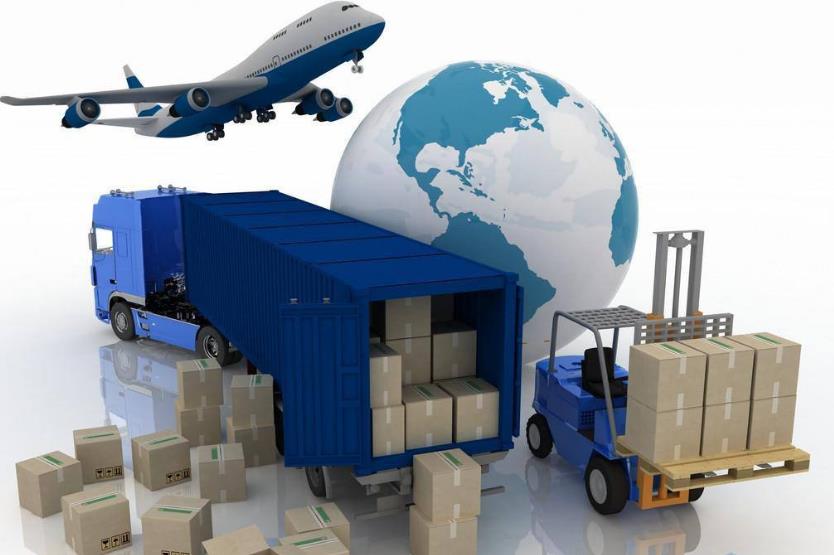
Shipping clothes by sea generally involves containerized shipping, where goods are packed into standard shipping containers and transported across the ocean by cargo vessels. Sea freight is highly favored for its cost-efficiency, especially for large-volume shipments. This is particularly important when transporting bulk items like clothing, where air freight would be prohibitively expensive.
Step 1: Choosing a Reliable Shipping Company
When considering shipping clothing by sea, it's essential to partner with a reliable freight forwarder or logistics company. Many shipping companies offer door-to-door services, meaning that they will manage the entire process from the warehouse in the origin country to the final delivery at your U.S. address. A trusted company will handle documentation, customs clearance, and any other necessary procedures.
Look for companies with good reviews, experience in handling clothing imports, and transparent pricing structures. Companies such as DHL, UPS, and Maersk are industry leaders, offering specialized services for global shipments.
Step 2: Understanding Shipping Costs
The overall cost of shipping clothes by sea depends on several factors:
1. Shipping Distance: The longer the distance, the higher the cost. For example, shipping from China to the U.S. will naturally cost more than from Mexico to the U.S.
2. Volume and Weight: Sea freight charges are typically calculated based on the volume (measured in cubic meters) or weight (in kilograms) of the shipment. Since clothing is relatively lightweight, shipping by sea is usually cost-effective for bulk purchases.
3. Type of Service: Depending on the urgency of your shipment, you may choose between full container load (FCL) or less than container load (LCL). FCL is generally cheaper if you have enough items to fill a full container, while LCL is ideal for smaller shipments.
4. Port Charges: Both the origin and destination ports impose charges for handling and unloading cargo. These fees should be included in your total shipping quote.
Important Tip: Always get an all-inclusive quote that covers all costs—shipping, port charges, insurance, and other hidden fees—to avoid any surprises.
Step 3: Customs and Taxes in the U.S.
When shipping clothes to the U.S., understanding customs regulations is vital to avoid delays and unexpected costs. Import duties and taxes apply to almost all goods entering the country, and clothing is no exception.
- Customs Duty: The U.S. imposes a tariff on imported clothing, which varies depending on the material, country of origin, and the item’s classification. The U.S. Customs and Border Protection (CBP) provides detailed guidelines on duty rates.
- Value Added Tax (VAT): The U.S. does not apply VAT, but state-level sales tax may be applicable depending on the delivery location. It's important to confirm the sales tax rates in the state where the goods will be delivered.
- Exemption: Generally, personal shipments of clothing may be exempt from some duties if they fall under the personal use category, but bulk shipments for commercial purposes are subject to standard tariffs.
Working with a freight forwarder or customs broker can help simplify this process. They will ensure all necessary paperwork is submitted to U.S. Customs, including an invoice, packing list, and any certifications required for specific types of clothing.
Step 4: Door-to-Door Delivery
Once your goods have cleared customs, they will be transferred to a local delivery service for door-to-door transportation. Many logistics companies partner with local carriers to ensure a seamless transition from the port to your doorstep. The door-to-door option allows you to track your shipment easily and receive updates about your delivery.
Important Consideration: Delivery times for sea freight can vary, with typical transit durations ranging from 15 to 30 days, depending on the port of origin and final destination. For faster delivery, express shipping options may be available but at a higher cost.
Step 5: Packaging and Insurance
When shipping clothing, packaging plays a critical role in protecting the goods during transit. Durable packaging materials such as shrink wrap, cardboard boxes, and pallets are often used to prevent damage and contamination. Additionally, consider purchasing cargo insurance to protect your shipment from loss or damage during transport.
Conclusion
Shipping clothes to the United States by sea is a practical, economical option for businesses and individuals looking to import clothing in bulk. By understanding the shipping process, the costs involved, and the customs regulations, you can ensure a smooth and efficient importation. Whether you're a small business owner or an individual purchasing clothing online, using a reputable shipping company that offers door-to-door delivery services can save time and reduce stress. As long as you plan ahead and factor in taxes and duties, sea freight remains one of the best options for shipping clothing to the U.S.

Adhering to the business philosophy of "customer-centric" honesty first, pragmatic innovation", we focus on providing customers with "professional, safe, efficient and economical" international logistics services, and strive to become the first choice in the minds of customers.
ADDRESS: 101 Qinghui International, No. 160 Qisha Ferry Road, Shatian Town, Dongguan City, Guangdong Province
CONTACT NUMBER: 13620081619 / 18680404400
CONTACT PERSON: Shelly / Alan
E-mail: shelly@qhgj56.com
alan@qhgj56.com
Copyright © 2025 QH INTERNATIONAL LOGISTICS LIMITED