Clothing to Vietnam air transportation plan
- Time of issue:2025-08-09
Clothing to Vietnam air transportation plan
- Time of issue:2025-08-09
Air Transportation Plan for Clothing to Vietnam: A Strategic Approach
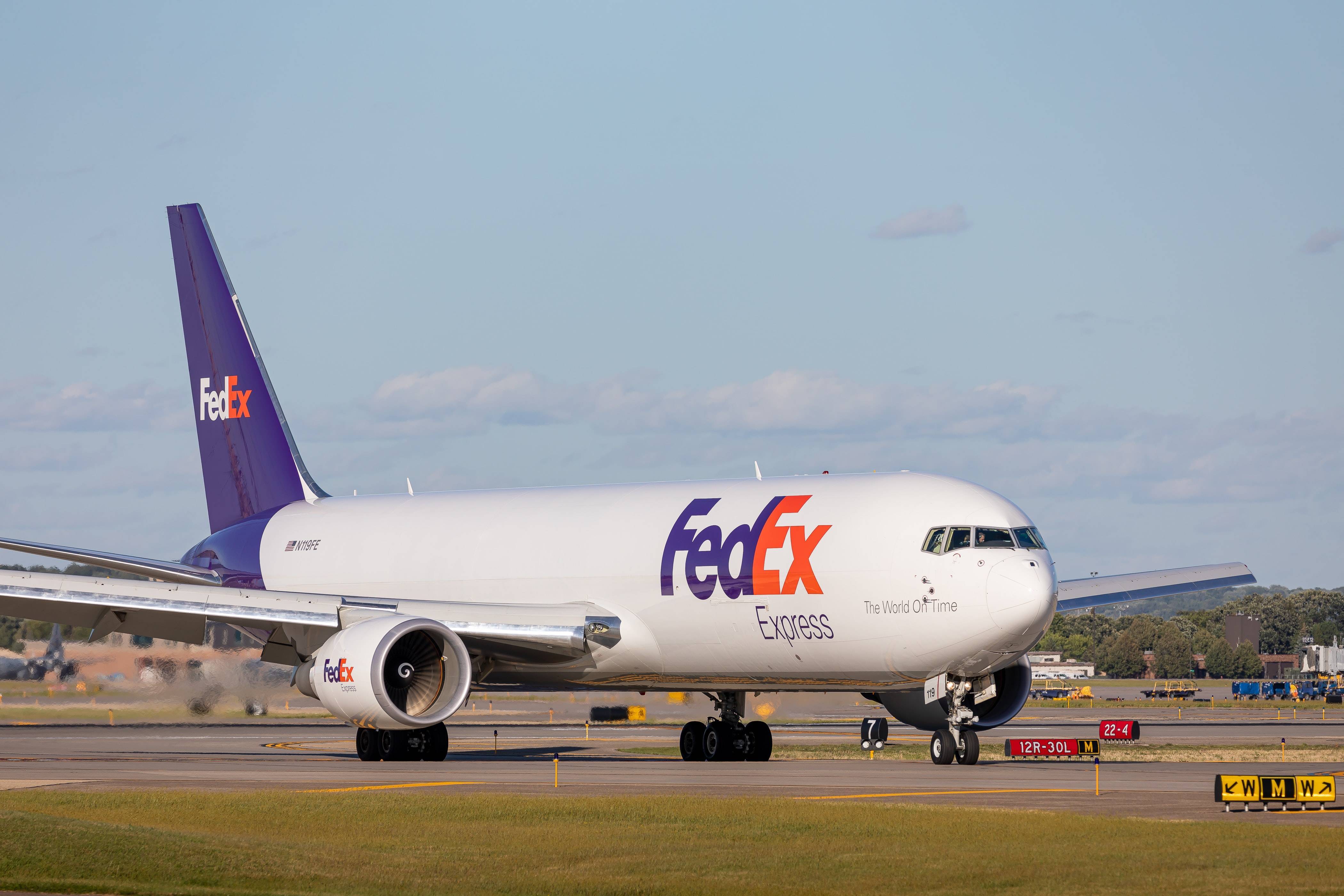
When it comes to shipping clothing to Vietnam, air transportation stands out as a preferred option for many businesses. The Vietnamese market has seen rapid growth, making it essential for companies to develop efficient logistics strategies that can ensure timely and cost-effective delivery. Air freight offers a range of benefits, including speed, reliability, and the ability to handle high-value or sensitive goods. In this article, we will explore the key aspects of an air transportation plan for shipping clothing to Vietnam, including route selection, cost management, and best practices to ensure the shipment reaches its destination smoothly.
Why Air Transportation for Clothing to Vietnam?
Air transportation is one of the fastest and most secure ways to ship clothing internationally. As Vietnam continues to grow as a major hub for fashion and apparel, air freight becomes even more crucial for meeting demand, particularly in the context of international trade. The country is known for its garment manufacturing industry, and global fashion brands increasingly rely on air cargo to maintain a steady supply of products to the Vietnamese market.
Speed is the primary advantage of air freight, which ensures that clothing items reach retailers, wholesalers, and distribution centers in a fraction of the time it would take by sea. Additionally, air transport offers better security, with fewer handling procedures and a reduced risk of damage during transit.
Step 1: Selecting the Right Air Freight Carrier
One of the first steps in planning air transportation for clothing to Vietnam is choosing a reliable air freight carrier. It’s crucial to select a company with experience in handling fashion shipments and the specific needs of clothing. Considerations include:
- Carrier reputation: Choose a carrier known for their reliability and punctuality.
- Service options: Ensure the carrier offers services like door-to-door delivery, tracking services, and customs clearance.
- Transit time: Evaluate the average transit time from your origin to Vietnam. Faster routes may be available but could come at a higher cost.
Step 2: Optimize Routes for Efficiency
Once the carrier is selected, the next step is optimizing the transportation route. Several factors should influence route selection:
- Major airports: The primary entry points for air shipments to Vietnam are Tan Son Nhat International Airport (Ho Chi Minh City) and Noi Bai International Airport (Hanoi). Ensure that your air freight carrier offers services to these key hubs.
- Customs procedures: A smooth customs process is vital to avoid delays. Familiarize yourself with Vietnamese import regulations, including duty rates, documentation requirements, and any restrictions on clothing imports.
- Transit time vs. cost: Choose routes that balance speed and cost. For instance, direct flights will be faster but may incur higher costs than routes with layovers.
Step 3: Packaging and Labeling for Air Freight
The way your clothing is packaged plays a significant role in ensuring the safety and efficiency of air transportation. Proper packaging is crucial for protecting your goods during transit and meeting carrier requirements. Some best practices include:
- Use durable materials: Ensure that the packaging material can withstand the pressure and environmental conditions inside the aircraft. Corrugated boxes, plastic wrapping, or air cushions are popular choices for clothing shipments.
- Labeling: Labels should clearly indicate the content, weight, destination, and any special handling instructions (e.g., “Fragile,” “Keep Dry”). Barcode labels for inventory tracking should also be included.
Step 4: Managing Costs and Budgeting
Air freight costs can be significant, so effective cost management is crucial for a successful transportation plan. Key factors that influence the cost of shipping clothing to Vietnam by air include:
- Weight and volume: Air freight is priced based on either chargeable weight (the greater of the actual weight or volumetric weight) or dimensional weight. Be sure to account for both weight and packaging size when calculating the cost.
- Peak seasons: During certain times of the year, such as Chinese New Year or Vietnam’s Tet Festival, demand for air freight services increases, which may lead to higher rates. Plan shipments well in advance to avoid surcharges during these periods.
- Fuel surcharges: Fuel prices fluctuate, and carriers may impose fuel surcharges depending on the current rate.
Step 5: Customs Clearance and Documentation
Proper documentation and customs clearance are essential to ensure smooth passage through Vietnamese customs. Common documents needed for air shipments include:
- Commercial invoice: A detailed invoice outlining the contents, value, and origin of the goods.
- Packing list: A document detailing the packaging and quantity of the shipment.
- Airway bill: A contract between the shipper and the carrier.
- Import permits: Certain products may require special permits or licenses for entry into Vietnam.
Be sure to consult with a customs broker in Vietnam to ensure compliance with local regulations and to avoid any delays or unexpected fees.
Step 6: Tracking and Monitoring Shipments
Once your shipment is in transit, real-time tracking allows you to monitor its progress and manage any unforeseen challenges. Most air freight carriers offer online tracking systems, so you can stay updated on the status of your shipment. Delays, although rare in air transport, can happen due to weather conditions, flight cancellations, or other unforeseen issues. In these cases, proactive communication with the carrier can help mitigate disruptions.
Conclusion
Shipping clothing to Vietnam via air freight offers speed, security, and reliability, making it an excellent choice for businesses targeting the Vietnamese market. By selecting the right carrier, optimizing routes, ensuring proper packaging, managing costs, and ensuring seamless customs clearance, you can streamline the process and deliver your clothing products efficiently. As Vietnam continues to grow as a fashion hub, having a well-thought-out air transportation plan is essential for staying competitive and meeting customer demands in this dynamic market.
Adhering to the business philosophy of "customer-centric" honesty first, pragmatic innovation", we focus on providing customers with "professional, safe, efficient and economical" international logistics services, and strive to become the first choice in the minds of customers.
ADDRESS: 101 Qinghui International, No. 160 Qisha Ferry Road, Shatian Town, Dongguan City, Guangdong Province
CONTACT NUMBER: 13620081619 / 18680404400
CONTACT PERSON: Shelly / Alan
E-mail: shelly@qhgj56.com
alan@qhgj56.com
Copyright © 2025 QH INTERNATIONAL LOGISTICS LIMITED