Precautions for storing batteries in FEDEX Thailand
- Time of issue:2025-10-02
Precautions for storing batteries in FEDEX Thailand
- Time of issue:2025-10-02
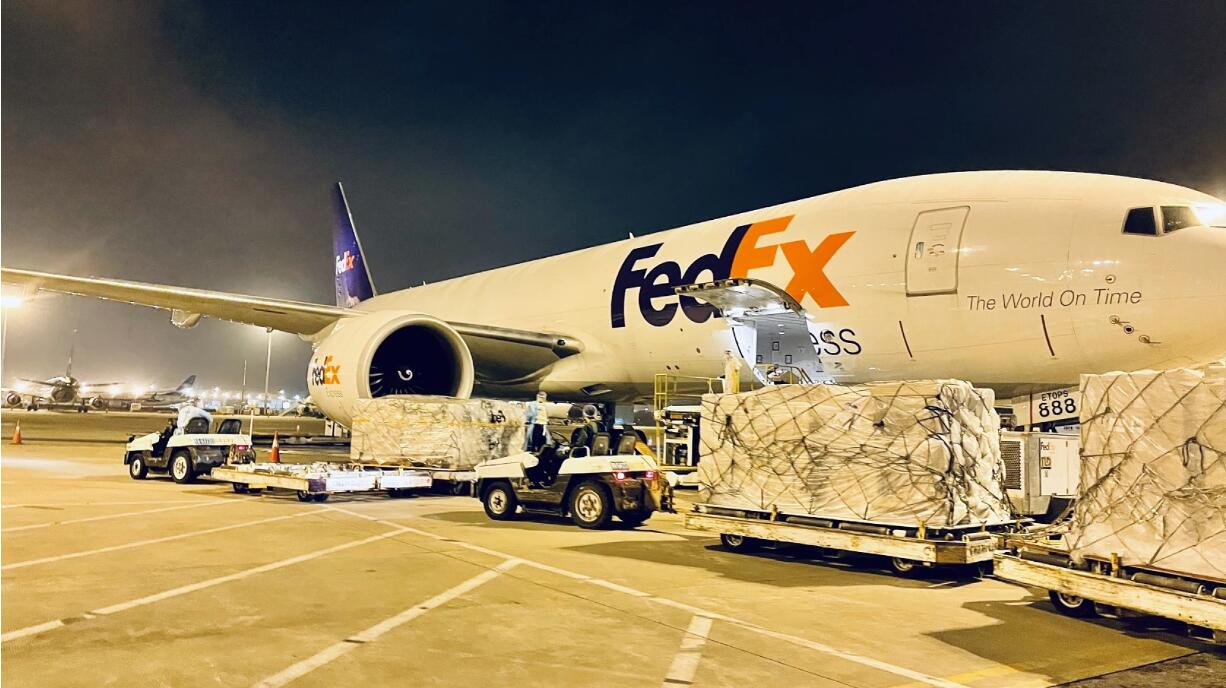
When it comes to shipping or storing batteries, especially in international logistics, it is crucial to follow certain precautions to ensure safety and compliance with regulations. In Thailand, as with many other countries, FEDEX has specific guidelines for handling and storing batteries due to the potential risks they pose, including short circuits, fires, or leaks. This article outlines key precautions to take when storing batteries in FEDEX Thailand, from preparation to compliance with local and international shipping laws.
Understanding Battery Types and Regulations
Before considering storage or shipment of batteries, it is important to understand the types of batteries involved. Generally, batteries are classified into two main categories: primary (non-rechargeable) and secondary (rechargeable). These can include various types such as lithium-ion, lithium-metal, alkaline, and lead-acid. Lithium-ion batteries are especially critical to handle correctly due to their potential fire hazards.
Thailand, like many countries, follows international guidelines set by organizations such as the International Air Transport Association (IATA) and the United Nations regarding battery transportation and storage. These regulations are in place to ensure the safe handling of batteries in transit, as mishandling could lead to dangerous incidents, including explosions or chemical leaks.
Labeling and Packaging
When preparing batteries for storage or shipment through FEDEX Thailand, correct labeling is one of the most crucial steps. Proper labeling helps ensure that all handlers are aware of the contents and the potential hazards involved. Every package containing batteries should have appropriate hazard warning labels, such as:
- Lithium battery handling labels for lithium-ion or lithium-metal batteries.
- Cargo Aircraft Only labels for shipments that include lithium-ion batteries in quantities exceeding certain limits.
In addition to proper labeling, it is essential to pack the batteries correctly. Packing materials such as bubble wrap or foam padding should be used to prevent batteries from coming into contact with conductive materials or other batteries, which could cause short circuits.
Storing Batteries in a Safe Environment
Temperature control is another key consideration when storing batteries in Thailand, particularly because of the tropical climate. High temperatures can cause a battery to degrade more quickly or even lead to a thermal runaway reaction, especially with lithium-based batteries. Therefore, it's important to store batteries in a cool, dry, and well-ventilated area.
When it comes to storing rechargeable batteries, always ensure they are kept at an appropriate charge level—preferably between 30% to 50%. This helps prevent overcharging or deep discharging, both of which can damage the battery or reduce its lifespan. If you are storing large quantities of batteries, use battery storage cabinets designed specifically to minimize risks such as overheating or short circuits.
Handling Batteries with Care
Whether you are storing batteries for a short or extended period, handling them carefully is a must. Avoid dropping batteries, as they could sustain internal damage that may lead to leaks or short-circuiting. Inspect batteries regularly for any signs of damage, such as cracks, corrosion, or leaking fluids, and dispose of any damaged units properly.
For larger batteries, such as those used in electric vehicles or industrial equipment, ensure that they are stored in secure, fire-resistant containers. Additionally, battery management systems (BMS) should be used to monitor the performance and condition of the batteries, providing real-time data that can prevent failures.
Compliance with Local and International Laws
When shipping or storing batteries internationally, including in Thailand, it is essential to comply with both local and international regulations. FEDEX Thailand adheres to the strict rules of the International Maritime Dangerous Goods (IMDG) Code and IATA’s guidelines, ensuring that all shipments meet safety standards.
For lithium-ion and lithium-metal batteries, you should be aware of the UN 3480, UN 3481, and UN 3090 shipping classifications, which impose specific restrictions based on the watt-hour rating (for lithium-ion) or lithium content (for lithium-metal batteries). Make sure that you are familiar with these classifications to avoid any shipping delays or penalties.
Emergency Preparedness
Despite taking all precautions, accidents can still happen. FEDEX Thailand has procedures in place to deal with emergencies, but it's vital to be prepared in case of battery leakage, fire, or other hazards. Always have emergency response kits available that include fire extinguishers, spill containment materials, and first aid kits. Moreover, staff should be trained in battery emergency handling and fire safety protocols to quickly address any situation that may arise.
Conclusion
Properly storing and handling batteries in FEDEX Thailand is not only about compliance but also about safety. By adhering to strict packaging, labeling, and storage protocols, you can significantly reduce the risk of hazardous incidents. Always ensure that you are updated on the latest regulations and best practices, and take the time to properly train staff on battery safety measures. With careful attention and a focus on safety, you can ensure that your battery storage and shipping processes are both efficient and secure.
By following these essential precautions, you can ensure the safe and compliant storage and shipment of batteries, whether you are sending them within Thailand or abroad.

Adhering to the business philosophy of "customer-centric" honesty first, pragmatic innovation", we focus on providing customers with "professional, safe, efficient and economical" international logistics services, and strive to become the first choice in the minds of customers.
ADDRESS: 101 Qinghui International, No. 160 Qisha Ferry Road, Shatian Town, Dongguan City, Guangdong Province
CONTACT NUMBER: 13620081619 / 18680404400
CONTACT PERSON: Shelly / Alan
E-mail: shelly@qhgj56.com
alan@qhgj56.com
Copyright © 2025 QH INTERNATIONAL LOGISTICS LIMITED