Store batteries at DHL Thailand
- Time of issue:2025-10-01
Store batteries at DHL Thailand
- Time of issue:2025-10-01
Storing Batteries at DHL Thailand: Best Practices for Safe and Efficient Storage
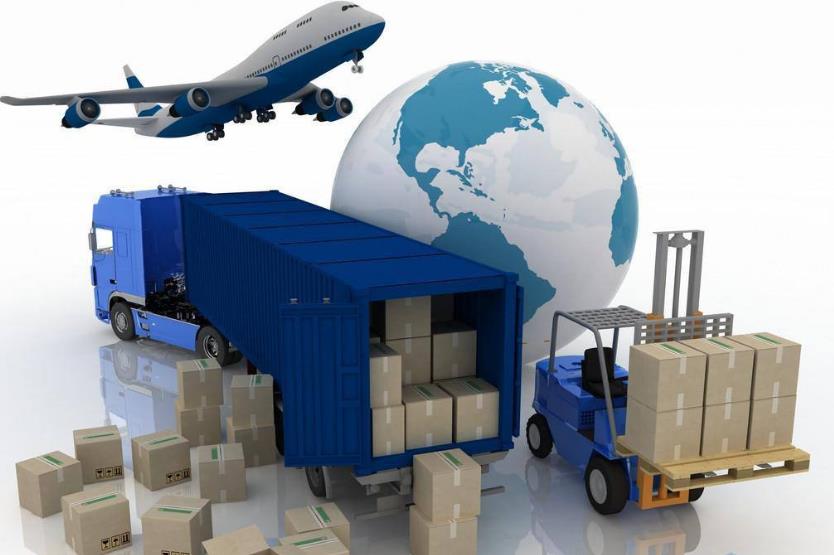
When it comes to shipping or storing batteries, there are specific regulations and practices to ensure safety, efficiency, and compliance with international standards. DHL Thailand, a leading logistics company, has established robust guidelines for handling and storing batteries, providing peace of mind for both consumers and businesses alike. Whether you are shipping lithium-ion batteries, lead-acid batteries, or other types, it is essential to understand the best practices and safety protocols in place to handle these potentially hazardous materials.
Understanding Battery Types and Their Hazards
Before diving into the best practices for storing batteries at DHL Thailand, it’s important to recognize the types of batteries and the potential risks they pose. Batteries come in various forms, and their composition varies from lithium-ion (commonly found in electronic devices like smartphones and laptops) to lead-acid batteries (used in vehicles) and alkaline batteries.
Lithium-ion batteries, due to their high energy density, are particularly sensitive to temperature changes and improper handling. These batteries can catch fire or explode if not stored or shipped correctly. Lead-acid batteries, while more robust, require special handling because they contain corrosive acid, which can leak or spill if not stored in a safe manner.
DHL Thailand's Battery Storage Solutions
DHL Thailand adheres to international shipping and safety regulations when it comes to battery storage. For businesses looking to store batteries at DHL facilities, it is essential to follow the recommended procedures to ensure the safety of goods and personnel. Below are some key aspects of how DHL Thailand handles battery storage:
1. Temperature Control and Ventilation
Batteries, particularly lithium-ion, are sensitive to temperature fluctuations. Therefore, DHL Thailand ensures that all battery storage areas are equipped with temperature and humidity control systems. By maintaining a stable environment, the company minimizes the risk of battery degradation, leakage, or combustion. Adequate ventilation is also crucial to prevent the buildup of toxic gases that can be released during battery charging or discharging.
2. Specialized Storage Racks
Batteries are stored on specialized racks designed to safely hold each type of battery in its designated area. Lithium-ion batteries, for example, are kept in separate, fire-resistant compartments to reduce the risk of thermal runaway (a rapid, uncontrollable temperature rise). By keeping different types of batteries in appropriately designated sections, DHL ensures that cross-contamination or adverse interactions between battery types do not occur.
3. Clear Labeling and Documentation
Proper labeling is a key factor in ensuring that all safety precautions are adhered to. DHL Thailand mandates clear and accurate labeling of all battery shipments. Labels include essential information such as the battery type, quantity, and handling instructions. This helps staff handle the batteries appropriately and prevents any accidental damage or mishandling.
4. Compliance with International Regulations
DHL Thailand strictly follows international shipping regulations when it comes to batteries. This includes guidelines set by the International Air Transport Association (IATA) and the International Maritime Dangerous Goods (IMDG) Code. These regulations govern the packaging, labeling, and documentation required for shipping hazardous materials like batteries. Compliance with these standards ensures that batteries are safely stored and transported, reducing the risk of accidents during transit.
The Importance of Proper Packaging for Battery Storage
Proper packaging is a critical aspect of safely storing batteries at DHL Thailand. Batteries are packaged in a way that ensures they remain protected during transport and storage. This packaging includes:
- Insulating materials to prevent short-circuiting.
- Non-conductive containers to prevent battery terminals from coming into contact with each other.
- Padding to protect batteries from physical shocks.
Handling Damaged or Expired Batteries
Batteries that are damaged, defective, or expired need to be handled with extra care. DHL Thailand has protocols in place to identify and segregate faulty batteries immediately. These batteries are placed in special containers designed to contain any leaking or hazardous materials, ensuring the safety of workers and the environment. Furthermore, DHL works closely with certified disposal partners to ensure that these batteries are properly disposed of or recycled in accordance with local laws and regulations.
Benefits of Storing Batteries at DHL Thailand
By choosing DHL Thailand for battery storage, businesses benefit from a range of services and advantages:
- Safety: Batteries are stored in compliance with the highest safety standards, minimizing the risks associated with improper handling.
- Regulatory Compliance: DHL ensures that all storage practices align with global regulatory standards, helping businesses avoid legal or financial repercussions.
- Efficiency: DHL Thailand’s streamlined logistics operations ensure that stored batteries are efficiently handled, reducing lead times and costs for businesses.
- Environmental Responsibility: DHL is committed to sustainability, and this includes responsibly handling and disposing of waste batteries to minimize environmental impact.
Conclusion
Storing batteries at DHL Thailand involves a comprehensive approach that prioritizes safety, compliance, and efficiency. With specialized storage solutions, temperature control, and a commitment to adhering to international shipping regulations, DHL ensures that batteries are safely handled, stored, and shipped. For businesses in Thailand and across the globe, DHL provides a trusted and reliable partner for battery storage and logistics. Whether you are dealing with lithium-ion, lead-acid, or other types of batteries, following these best practices will help mitigate risks and ensure smooth and safe operations for both suppliers and customers.
Adhering to the business philosophy of "customer-centric" honesty first, pragmatic innovation", we focus on providing customers with "professional, safe, efficient and economical" international logistics services, and strive to become the first choice in the minds of customers.
ADDRESS: 101 Qinghui International, No. 160 Qisha Ferry Road, Shatian Town, Dongguan City, Guangdong Province
CONTACT NUMBER: 13620081619 / 18680404400
CONTACT PERSON: Shelly / Alan
E-mail: shelly@qhgj56.com
alan@qhgj56.com
Copyright © 2025 QH INTERNATIONAL LOGISTICS LIMITED