Storage battery to FBA transportation plan in Germany
- Time of issue:2025-09-30
Storage battery to FBA transportation plan in Germany
- Time of issue:2025-09-30
The transportation of storage batteries to FBA (Fulfillment by Amazon) warehouses in Germany is an increasingly important aspect for e-commerce businesses operating in the country. As businesses strive to meet consumer demands while ensuring their products are shipped efficiently, understanding the best practices for transporting storage batteries to Amazon FBA centers becomes crucial. This article outlines key factors to consider when developing an effective storage battery transportation plan for FBA warehouses in Germany.
1. Understanding the FBA Storage Battery Regulations
Amazon's FBA program has specific guidelines for shipping various products, including storage batteries. Before planning the transportation of storage batteries to FBA warehouses, it's vital to familiarize yourself with these rules. FBA warehouses are subject to strict regulations when it comes to handling hazardous materials, and storage batteries can often fall under this category due to their potential to cause fires or damage.
There are different types of storage batteries, such as lithium-ion or lead-acid batteries, and each type may have different regulations based on its composition. For example, lithium-ion batteries are classified as dangerous goods and require special packaging and labeling according to international transport regulations, including ADR (European Agreement concerning the International Carriage of Dangerous Goods by Road) and IATA (International Air Transport Association) for air shipments. Ensuring compliance with these regulations is critical to avoid shipping delays, additional costs, or even penalties.
2. Choosing the Right Transportation Mode
When shipping storage batteries to Amazon FBA warehouses in Germany, selecting the right mode of transportation is crucial. The primary options include road freight, sea freight, and air freight. Each mode has its advantages and limitations depending on the size, weight, and urgency of the shipment.
- Road Freight: This is typically the most cost-effective mode for shipping within Europe, especially for shorter distances. Shipping storage batteries by road allows for more flexible delivery schedules and easier access to remote FBA warehouses. However, road transport may be subject to customs checks and regulations that can impact shipping timelines.
- Sea Freight: For larger shipments or those originating from outside Europe, sea freight might be the best option. Although slower than air freight, sea freight offers a lower cost for bulk shipments. Hazardous goods like storage batteries require specific packaging and declaration of dangerous goods when shipped by sea.
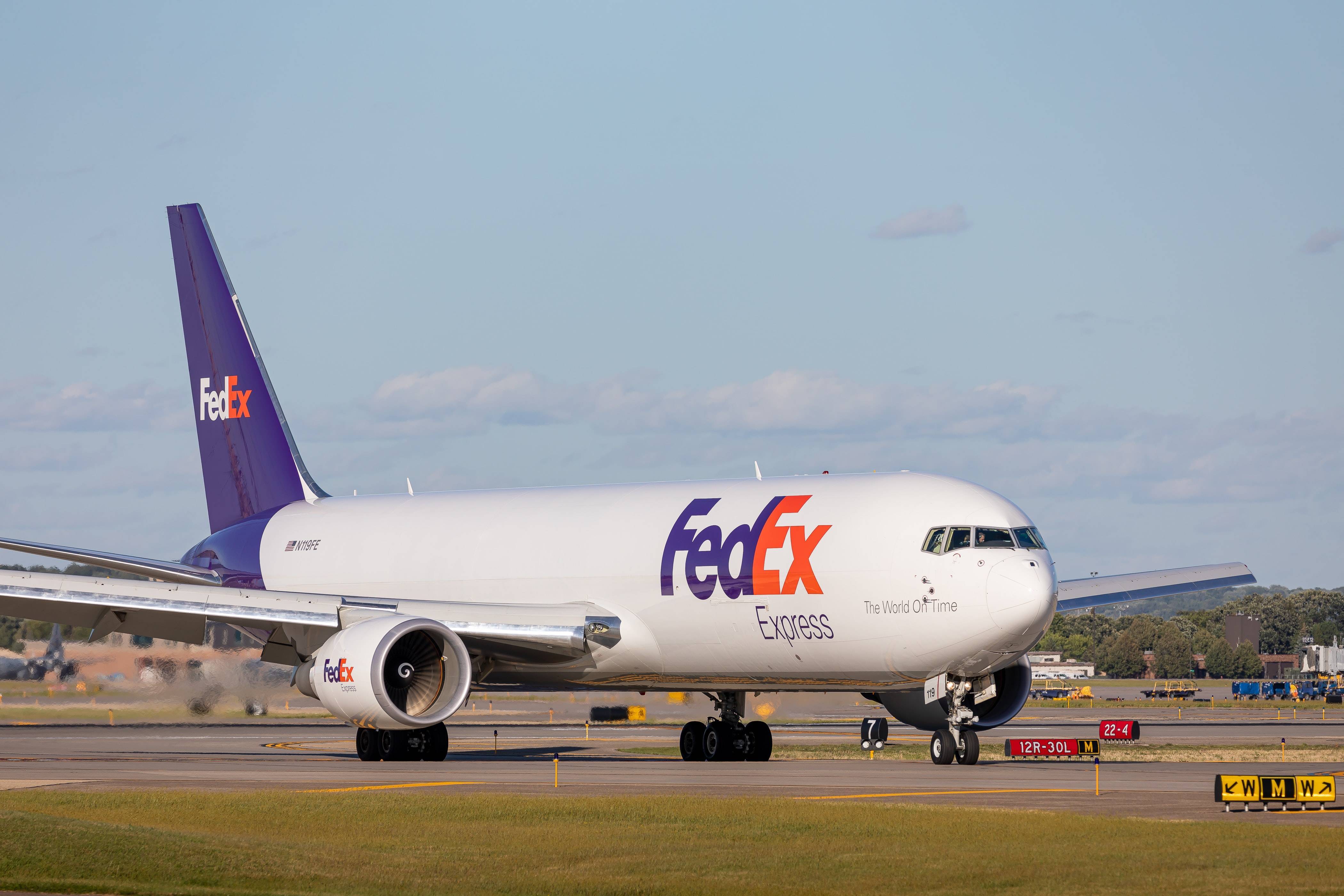
- Air Freight: If time is a crucial factor, air freight is the fastest way to get storage batteries to FBA warehouses. However, due to the hazardous nature of lithium-ion batteries, air transport requires adherence to strict regulations. Specialized packaging and labeling are mandatory, and the cost of air freight is typically much higher than road or sea freight.
3. Packaging and Labeling Requirements
Proper packaging and labeling are essential to ensure the safe transportation of storage batteries to Amazon FBA warehouses in Germany. Packaging must comply with Amazon FBA guidelines as well as international safety standards for hazardous materials.
- Packaging for Lithium-ion Batteries: These batteries should be packed in strong, rigid outer packaging to prevent short circuits and physical damage. Amazon requires non-conductive materials to be used between the battery terminals to minimize the risk of a short circuit. The outer box must clearly indicate the contents, including proper hazardous materials labeling.
- Labeling: In addition to Amazon's specific requirements, shipping labels must comply with IATA and ADR guidelines for dangerous goods. Ensure that UN numbers, hazard labels, and handling instructions are clearly visible on all packages. If shipping lithium-ion batteries via air, the package must display the appropriate cargo aircraft only label.
4. Customs and Import Regulations
When shipping storage batteries to Germany, customs clearance is a critical part of the process. Germany, as part of the European Union, has specific import regulations that must be followed. Before shipping, it's essential to ensure that the batteries comply with EU safety and environmental standards.
For non-EU shipments, you will need to prepare appropriate customs documentation, such as an import declaration, commercial invoice, and proof of compliance with EU regulations on hazardous goods. Customs duties may apply depending on the origin of the shipment and the type of batteries being imported.
5. Selecting a Reliable Freight Forwarder
Working with an experienced freight forwarder who is well-versed in handling hazardous materials, especially storage batteries, is key to ensuring smooth logistics. A good freight forwarder can help you navigate the complexities of transportation regulations, ensure proper packaging, and handle customs clearance efficiently.
A reliable freight forwarder will also offer tracking services so that you can monitor the progress of your shipment in real-time. This is especially important when shipping time-sensitive products like storage batteries, as delays could impact your ability to meet Amazon FBA deadlines.
6. Shipping Costs and Timeline
The cost of shipping storage batteries to FBA warehouses in Germany depends on several factors, including the mode of transport, the size and weight of the shipment, and any special packaging requirements. Typically, road freight is more affordable, but it may take longer than air freight.
It’s essential to factor in both the shipping costs and potential delays caused by customs or regulatory requirements when planning your transportation strategy. Ensure that your timeline accounts for any potential delays, especially if you are working with a tight inventory deadline.
Conclusion
Successfully transporting storage batteries to Amazon FBA warehouses in Germany requires a thorough understanding of regulations, proper packaging and labeling, and the ability to choose the right transportation mode. By partnering with experienced freight forwarders and staying compliant with all relevant safety and import regulations, e-commerce businesses can ensure a smooth and efficient shipping process. With the right preparation, you can avoid delays, reduce costs, and ensure that your products are delivered safely to Amazon’s FBA centers, ready for your customers.

Adhering to the business philosophy of "customer-centric" honesty first, pragmatic innovation", we focus on providing customers with "professional, safe, efficient and economical" international logistics services, and strive to become the first choice in the minds of customers.
ADDRESS: 101 Qinghui International, No. 160 Qisha Ferry Road, Shatian Town, Dongguan City, Guangdong Province
CONTACT NUMBER: 13620081619 / 18680404400
CONTACT PERSON: Shelly / Alan
E-mail: shelly@qhgj56.com
alan@qhgj56.com
Copyright © 2025 QH INTERNATIONAL LOGISTICS LIMITED