
Storage batteries shipped to Germany by sea including tax to door
- Time of issue:2025-09-30
Storage batteries shipped to Germany by sea including tax to door
- Time of issue:2025-09-30
Shipping Storage Batteries to Germany by Sea: A Comprehensive Guide Including Tax to Door
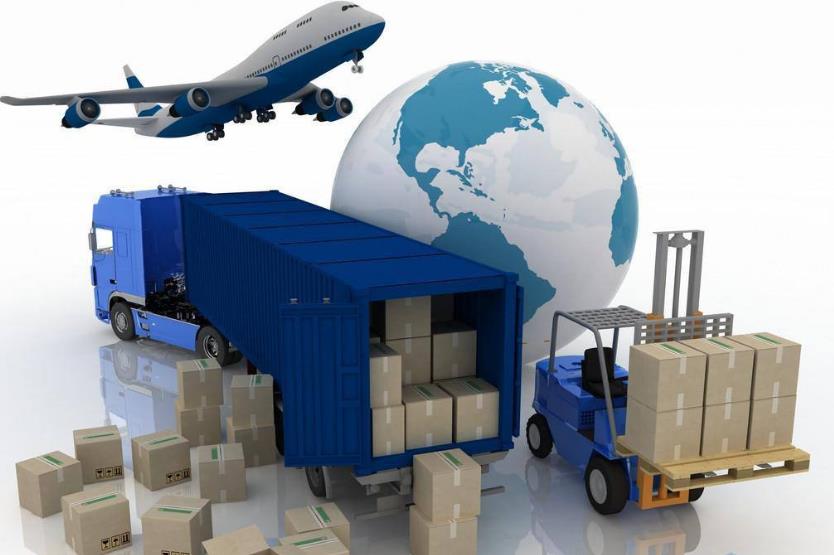
Shipping storage batteries to Germany, particularly by sea, involves several steps that ensure your products arrive safely, on time, and in compliance with both international regulations and German import requirements. If you're considering shipping storage batteries internationally, it's crucial to understand the entire process, from choosing the right shipping method to dealing with taxes and customs clearance. This guide will break down all aspects of shipping storage batteries to Germany, including the necessary taxes to door and how to ensure a smooth shipping experience.
1. Understanding Storage Batteries and Shipping Regulations
Before diving into the shipping process, it's essential to understand what storage batteries are and why they require special shipping considerations. Storage batteries are devices that store electrical energy for later use, including lithium-ion batteries, lead-acid batteries, and other rechargeable battery types. Due to their chemical nature, batteries are classified as hazardous materials and must adhere to strict shipping regulations, especially when transported across international borders.
In Germany, shipping storage batteries involves compliance with the International Maritime Dangerous Goods (IMDG) Code, which ensures the safe transport of hazardous materials by sea. The regulations cover everything from packaging and labeling to documentation requirements.
2. Choosing Sea Freight for Shipping Storage Batteries
Sea freight is one of the most cost-effective methods for shipping storage batteries over long distances. Since storage batteries are often bulky and heavy, sea freight offers a practical solution, especially for large quantities. When shipping by sea, you have two main options:
- Full Container Load (FCL): This option is suitable for large shipments. You rent an entire shipping container for your goods, ensuring safety and reducing the risk of damage.
- Less than Container Load (LCL): If you're shipping smaller quantities, LCL allows you to share container space with other shipments. However, it may take longer and require more handling, which can increase the risk of damage to your batteries.
When choosing between FCL and LCL, consider the size and urgency of your shipment, as well as the overall cost-effectiveness.
3. Packaging and Labeling for Safe Shipping
Proper packaging is crucial when shipping storage batteries to Germany, especially because they are classified as hazardous goods. Batteries must be packed in a way that prevents leakage, short circuits, and physical damage. This includes using non-conductive materials such as plastic or cardboard to separate the batteries and prevent contact with other metals.
The IMDG Code also mandates that batteries be clearly labeled with hazard symbols and appropriate handling instructions. These labels are designed to inform transport workers and customs officials about the contents of the shipment and how to handle them safely.
4. Customs Clearance and Import Duties in Germany
One of the most important aspects of shipping to Germany is ensuring compliance with customs regulations. All shipments entering Germany are subject to customs inspection, and storage batteries are no exception. It's important to have all the necessary documentation ready, including:
- Commercial invoice with accurate descriptions of the goods
- Bill of lading for sea freight shipments
- Packing list that details the quantity, type, and packaging of the batteries
Germany also has strict regulations regarding the import of hazardous materials, including storage batteries. Be prepared to pay import duties and Value Added Tax (VAT), which is typically around 19% in Germany. The customs clearance process can take some time, depending on the nature of the goods and the volume of shipments arriving at the port.
5. Tax to Door: Understanding German Import Taxes
The total cost of shipping storage batteries to Germany includes not only the shipping charges but also the import duties and taxes. The tax to door concept refers to the total amount a customer will pay to have their goods delivered to their address, including:
- Customs duties: These are typically based on the value of the goods and their classification. The rate for storage batteries may vary depending on the type and composition of the battery.
- VAT (Value Added Tax): As mentioned earlier, VAT in Germany is generally 19%. The VAT is calculated based on the customs value of the goods, which includes the cost of the batteries, shipping fees, and any other charges.
- Customs clearance fees: These are additional fees charged by the customs broker to handle the customs clearance process on your behalf.
It's essential to understand that the tax to door amount is not always included in the initial shipping cost. In many cases, these taxes and fees are collected by the shipping company or customs broker before the final delivery is made to your door.
6. Delivery to the Doorstep: Last-Mile Delivery
Once your storage batteries clear customs, the next step is the final delivery to your doorstep in Germany. Most sea freight shipments involve a multi-step process, which includes transportation from the port to a local warehouse and then to the final destination. Depending on the shipping terms, you may choose between different delivery options, such as:
- Door-to-Door Delivery: This is the most convenient option, where the shipping company handles everything, including customs clearance and final delivery to your address.
- Port-to-Door Delivery: In this case, the goods are delivered to a nearby port or terminal, and the recipient is responsible for picking up the goods and arranging for further transportation.
7. Conclusion: Smooth Shipping of Storage Batteries to Germany
Shipping storage batteries to Germany by sea requires careful planning and adherence to international shipping regulations. From understanding the necessary packaging and labeling to handling customs clearance and taxes, ensuring your batteries reach their destination smoothly and safely requires attention to detail.
By selecting the right shipping method, understanding customs duties, and preparing for taxes to door, you can ensure a successful shipping experience. Whether you're shipping a small order or large quantities of storage batteries, it's important to work with reliable freight forwarders and customs brokers who are familiar with the complexities of international logistics, particularly when dealing with hazardous materials like batteries.

Adhering to the business philosophy of "customer-centric" honesty first, pragmatic innovation", we focus on providing customers with "professional, safe, efficient and economical" international logistics services, and strive to become the first choice in the minds of customers.
ADDRESS: 101 Qinghui International, No. 160 Qisha Ferry Road, Shatian Town, Dongguan City, Guangdong Province
CONTACT NUMBER: 13620081619 / 18680404400
CONTACT PERSON: Shelly / Alan
E-mail: shelly@qhgj56.com
alan@qhgj56.com
Copyright © 2025 QH INTERNATIONAL LOGISTICS LIMITED