
Battery storage to UK courier service
- Time of issue:2025-09-27
Battery storage to UK courier service
- Time of issue:2025-09-27
Battery Storage and Its Role in UK Courier Services: A Vital Shift Towards Efficient Logistics
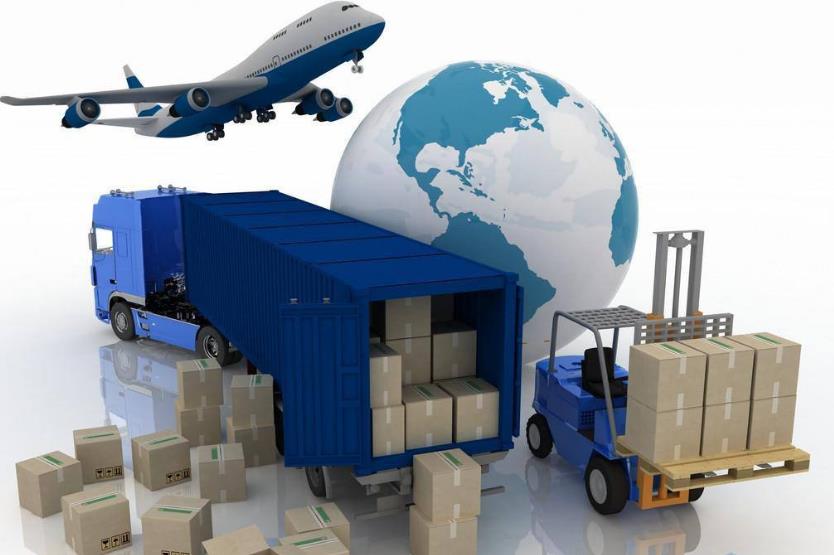
As the world transitions to more sustainable energy solutions, battery storage has become an essential part of industries, including logistics. In particular, UK courier services have found great value in incorporating battery storage systems, enhancing their operational efficiency and minimizing the environmental impact. This article delves into the significance of battery storage in UK courier services, explaining its benefits, technological innovations, and its potential to reshape the logistics industry.
The Growing Need for Sustainable Logistics
The logistics and courier services sector plays a vital role in the UK's economy, with billions of parcels being delivered annually. However, the growth in demand for faster delivery times has led to a significant increase in energy consumption. Traditionally, many courier services have relied on fossil fuels, which are not only expensive but also contribute to environmental degradation. As the world increasingly focuses on sustainable business practices, there has been a shift towards adopting renewable energy solutions—and battery storage has emerged as a central element of this transformation.
Battery storage, in the context of UK courier services, allows for efficient energy storage from renewable sources like solar or wind. This energy can then be used to power vehicles, warehouse operations, and other aspects of the logistics chain. By harnessing the power of battery storage, courier services can reduce their reliance on the grid, lower their carbon footprint, and make their operations more cost-effective in the long term.
How Battery Storage Works in UK Courier Services
Battery storage systems essentially capture and store energy during off-peak hours or when renewable sources generate excess power. This stored energy can later be used during peak hours or when renewable energy production is low. In UK courier services, battery storage typically integrates into two main aspects of the business: electric vehicles (EVs) and warehouse operations.
1. Electric Vehicles and Delivery Fleets
The adoption of electric vehicles (EVs) in the UK courier industry has been accelerating in recent years. With government incentives and the growing demand for eco-friendly options, many courier companies are transitioning their delivery fleets to EVs. However, one challenge that remains is the availability and accessibility of charging infrastructure. Battery storage plays a crucial role here.
With strategically placed charging stations that utilize battery storage, courier companies can charge their EVs more efficiently. These stations can store energy generated during off-peak times or through solar panels, ensuring that EVs are ready for use during high-demand periods. This not only reduces the reliance on traditional power sources but also helps to reduce operational costs by leveraging cheaper, stored energy.
2. Warehouse Operations and Energy Efficiency
Courier companies also face significant energy demands when it comes to their warehouse operations. Large warehouses are required to manage vast quantities of parcels, requiring energy for lighting, sorting machines, and other systems. Battery storage systems can support these operations by providing backup power or by storing energy during off-peak times to be used later.
This dual benefit—saving on energy costs and ensuring continuity of operations during power outages—can make a huge difference in the overall efficiency of UK courier services. As a result, businesses can avoid potential disruptions in service and reduce their overall operational expenses.
Benefits of Battery Storage in UK Courier Services
The integration of battery storage into UK courier services offers numerous benefits, including:
1. Cost Savings
By utilizing battery storage, courier services can reduce energy costs significantly. Since energy can be stored at a lower cost during off-peak periods and used when rates are higher, businesses can avoid expensive peak-time electricity charges. Additionally, as battery storage technology becomes more affordable, its long-term cost-saving benefits become even more apparent.
2. Reduced Carbon Footprint
One of the most compelling reasons to adopt battery storage systems in logistics is the positive impact on sustainability. With a growing emphasis on reducing carbon emissions, battery storage can significantly contribute to a courier service’s sustainability goals. By using energy stored from renewable sources, companies can dramatically lower their carbon footprint, contributing to both regulatory compliance and a positive brand image.
3. Improved Energy Resilience
Incorporating battery storage enhances the resilience of a courier company’s energy system. Energy storage provides backup power during outages, ensuring that operations continue without interruption. This is particularly crucial in areas with unreliable grid infrastructure, where a power failure could halt delivery services.
4. Meeting Regulatory Requirements
Governments worldwide, including in the UK, have introduced stringent regulations around carbon emissions and energy use. By adopting battery storage systems, courier services can meet these regulatory requirements more easily. Carbon tax incentives, for example, can be used to offset initial investments in energy storage technology, making it an even more attractive option for businesses.
Challenges and Future Prospects
While battery storage offers multiple benefits, there are challenges that need to be addressed. The initial investment costs can be high, and the technology is still evolving. Furthermore, the limited range of electric vehicles and the availability of charging infrastructure in remote areas pose additional challenges.
However, with technological advancements, increasing government incentives, and rising consumer demand for sustainable practices, these challenges are gradually being mitigated. It is likely that in the near future, battery storage will play an even more critical role in shaping the future of UK courier services.
Conclusion
The integration of battery storage into the operations of UK courier services is a crucial step towards more sustainable, efficient, and cost-effective logistics. As the technology continues to evolve and its benefits become increasingly apparent, battery storage is set to revolutionize the logistics sector. From reducing operational costs to improving energy resilience and sustainability, the role of battery storage is pivotal in the ongoing transformation of the courier service industry in the UK and beyond.
By adopting these innovations, courier companies not only meet the growing demands of today’s marketplace but also contribute to the creation of a more sustainable future for the logistics industry.

Adhering to the business philosophy of "customer-centric" honesty first, pragmatic innovation", we focus on providing customers with "professional, safe, efficient and economical" international logistics services, and strive to become the first choice in the minds of customers.
ADDRESS: 101 Qinghui International, No. 160 Qisha Ferry Road, Shatian Town, Dongguan City, Guangdong Province
CONTACT NUMBER: 13620081619 / 18680404400
CONTACT PERSON: Shelly / Alan
E-mail: shelly@qhgj56.com
alan@qhgj56.com
Copyright © 2025 QH INTERNATIONAL LOGISTICS LIMITED