Storage batteries to Canada FBA tax inclusive door-to-door
- Time of issue:2025-09-25
Storage batteries to Canada FBA tax inclusive door-to-door
- Time of issue:2025-09-25
When considering the logistics of storage batteries to Canada FBA (Fulfillment by Amazon), it is essential to account for various factors such as tax inclusivity, customs regulations, and efficient door-to-door delivery services. This guide explores the key aspects of shipping storage batteries to Canada for Amazon sellers, ensuring compliance with Canadian regulations while maintaining cost-effectiveness.
Understanding the Complexities of FBA Shipping to Canada
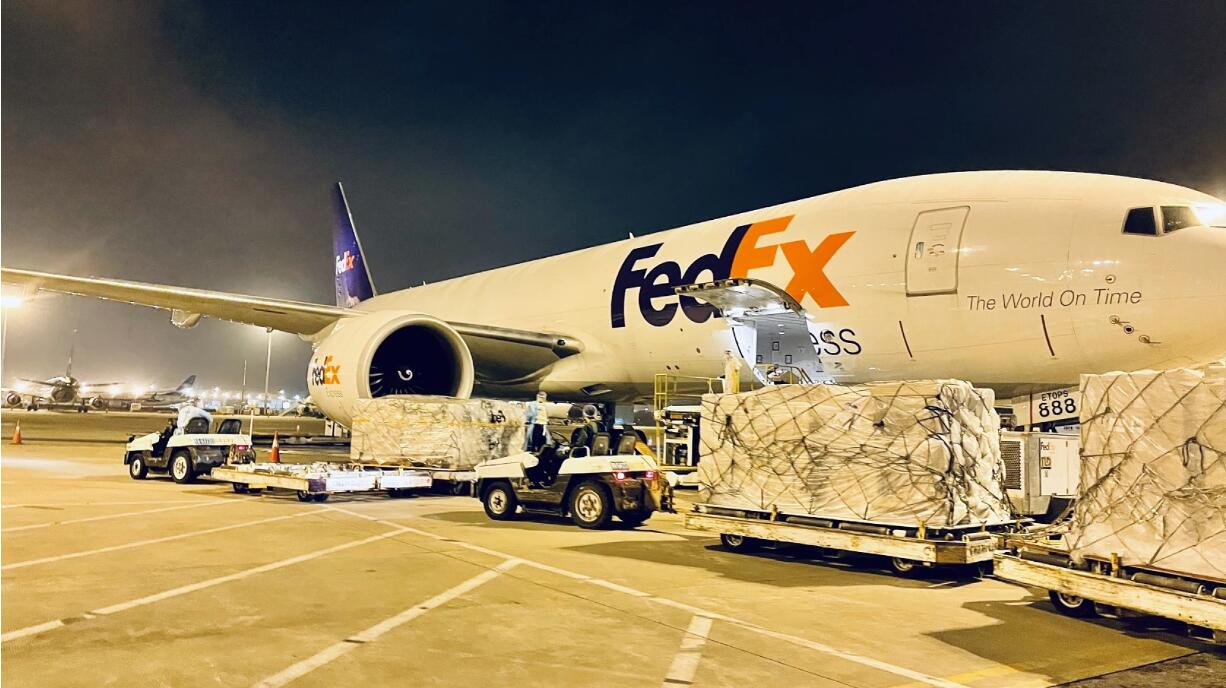
Shipping products to Amazon’s Canadian FBA warehouses can be a challenge, especially when dealing with specialized products like storage batteries. These items are often classified under hazardous materials, which adds complexity to the shipping process. Therefore, ensuring compliance with Canadian customs regulations and tax requirements is crucial.
The Importance of Tax Inclusive Shipping
One of the primary concerns when shipping to Canada is the Goods and Services Tax (GST), the Provincial Sales Tax (PST), and in some provinces, the Harmonized Sales Tax (HST). Sellers who want to provide a seamless shopping experience for Canadian consumers need to incorporate these taxes into their pricing strategy. Tax-inclusive door-to-door shipping helps mitigate any surprise fees that customers might face upon delivery.
By offering tax-inclusive pricing, sellers can improve their customer satisfaction levels, as the total cost of the product (including tax and shipping) is clearly communicated at checkout. This eliminates the need for customers to pay additional fees upon arrival, which could deter sales or result in negative reviews.
Key Considerations for Shipping Storage Batteries to Canada
1. Hazardous Materials Regulations
Storage batteries, particularly lithium-ion batteries, are often classified as hazardous materials due to their potential for combustion or leakage if not handled properly. This classification can affect the transportation methods used to ship the goods, as well as the required packaging and labeling.
Before shipping storage batteries to Canada, ensure that your logistics provider is experienced in handling hazardous materials. They should be able to provide guidance on the necessary steps for safe and compliant shipping. Additionally, you’ll need to work with customs brokers who are familiar with the import regulations regarding hazardous materials.
2. FBA Fulfillment Center Requirements
Each Amazon fulfillment center in Canada may have specific requirements for hazardous goods. Storage batteries typically need to be properly labeled, packaged, and documented to meet Amazon’s guidelines. This ensures smooth clearance at Canadian customs and facilitates quick processing once the products arrive at the FBA center.
Labeling should include the appropriate hazardous material warnings and handling instructions. If you are shipping large quantities, coordinating with Amazon’s FBA team ahead of time to confirm any special requirements can save you time and prevent costly mistakes.
3. Choosing the Right Shipping Method
Shipping storage batteries to Canada requires careful planning to select the appropriate shipping method. Air freight, while fast, might be restricted for certain types of batteries due to the potential risks. Sea freight or ground shipping might be more suitable alternatives, depending on the volume and urgency of your shipment.
Consider using a door-to-door service for convenience, as this ensures your goods are picked up from the point of origin and delivered directly to the Amazon warehouse. This approach reduces the risk of delays, as well as customs complications. Door-to-door shipping also ensures that your storage batteries will be handled appropriately at every step of the journey.
4. Customs Documentation and Fees
It is crucial to prepare all the necessary customs documents when shipping goods to Canada, including commercial invoices, packing lists, and any safety certifications required for hazardous materials. Any errors in your documentation can lead to delays or fines.
Along with customs clearance, customs duties and taxes are a significant consideration when shipping to Canada. Canada charges both federal and provincial taxes, which can vary depending on the nature of the goods. Including taxes in your shipping fees makes it easier for customers to understand the total cost and reduces the risk of complications during the shipping process.
5. FBA Inventory Replenishment Strategy
When shipping storage batteries to Canadian FBA centers, it’s important to plan your inventory replenishment strategy effectively. If you're running low on stock, you’ll need to coordinate with your logistics provider to ensure timely replenishment. With Amazon’s tight inventory requirements, particularly for products like storage batteries, staying ahead of demand is key to maintaining product availability and sales.
Additionally, real-time tracking of your shipments can help you keep an eye on the progress of your inventory from the point of origin to the FBA center. Having real-time updates will give you peace of mind and ensure that you can make adjustments if any unexpected delays or issues arise.
Benefits of Partnering with a Professional Logistics Provider
Given the complexity of shipping storage batteries to Canada, partnering with a professional logistics provider can streamline the entire process. A trusted partner will offer expert knowledge in handling hazardous materials, ensuring compliance with Canadian import regulations, and helping you navigate the complexities of tax-inclusive shipping.
Professional logistics providers also often have established relationships with customs brokers and Amazon FBA centers, which can help expedite clearance and reduce the likelihood of costly errors. By outsourcing your shipping process to a reputable logistics partner, you can focus more on growing your business and less on dealing with the intricacies of cross-border shipping.
Conclusion
Shipping storage batteries to Canada for FBA can be a profitable endeavor, but it requires careful planning and execution to ensure compliance with all regulations and avoid costly mistakes. By understanding the tax-inclusive shipping model, meeting hazardous materials regulations, and choosing the right shipping methods, you can successfully navigate the complexities of international logistics.
With the right strategy, your business can provide customers with a smooth and efficient experience, boosting your reputation and increasing sales in the Canadian market. Investing in professional logistics solutions and adhering to Amazon’s FBA requirements will ultimately make your shipping process more efficient, cost-effective, and hassle-free.

Adhering to the business philosophy of "customer-centric" honesty first, pragmatic innovation", we focus on providing customers with "professional, safe, efficient and economical" international logistics services, and strive to become the first choice in the minds of customers.
ADDRESS: 101 Qinghui International, No. 160 Qisha Ferry Road, Shatian Town, Dongguan City, Guangdong Province
CONTACT NUMBER: 13620081619 / 18680404400
CONTACT PERSON: Shelly / Alan
E-mail: shelly@qhgj56.com
alan@qhgj56.com
Copyright © 2025 QH INTERNATIONAL LOGISTICS LIMITED