FBA transportation plan for batteries to Vietnam
- Time of issue:2025-09-19
FBA transportation plan for batteries to Vietnam
- Time of issue:2025-09-19
When planning to transport batteries via FBA (Fulfillment by Amazon) to Vietnam, there are several essential considerations to ensure safe, efficient, and compliant shipping. Vietnam, with its growing e-commerce market, has become an increasingly important destination for global sellers, but shipping batteries involves navigating complex regulations due to their hazardous nature. This article will explore the critical elements of an FBA transportation plan for batteries to Vietnam, focusing on key regulations, packaging, labeling, and best practices.
Understanding Battery Regulations for FBA Shipping to Vietnam
Before diving into the specifics of transporting batteries, it’s important to understand the regulatory landscape. Batteries are classified as dangerous goods due to the potential hazards they pose during transit, including fire risks. International shipping regulations are managed by organizations like the International Air Transport Association (IATA) and International Maritime Dangerous Goods (IMDG) Code, which provide guidelines for the safe transport of dangerous goods, including batteries.
For FBA shipments to Vietnam, it's essential to ensure that the batteries comply with the transportation regulations. Batteries shipped by air freight fall under stricter rules due to the higher risk of fire hazards in-flight. There are typically two main categories of batteries: lithium-ion and lithium metal, each with its specific guidelines for packaging, labeling, and documentation.
Key Regulations to Consider
1. Lithium-ion Batteries:
These batteries, commonly used in electronic devices, have specific requirements for air cargo shipments. They must be:
- Limited to a watt-hour rating of 300Wh per package for air freight.
- Properly packed in strong outer containers to prevent short circuits and damage.
- Marked with the appropriate labels, such as the "Lithium Battery Handling Label", indicating they are classified as dangerous goods.
2. Lithium Metal Batteries:
Lithium metal batteries, found in items like hearing aids or watches, are subject to stricter limitations due to their inherent risks:
- Limited to a weight of 1 gram per cell or 300Wh per package.
- Must be shipped in compliance with IATA’s special provisions, ensuring safe handling.
Packaging and Labeling
Proper packaging and labeling are critical when shipping batteries, especially to countries like Vietnam, which are known for their strict import regulations. FBA shipments must comply with Amazon's packaging standards as well as international shipping laws.
1. Battery Packaging:
Batteries should be packed individually in non-conductive materials, such as plastic bags or foam inserts. The outer packaging must be rigid and protective, ensuring no contact between the battery terminals, preventing any potential short circuit.
2. Labeling:
Correct labeling is mandatory for all dangerous goods, including batteries. The Lithium Battery Handling Label must be affixed to the package, clearly visible and including the following information:
- The battery type (lithium-ion or lithium metal).
- Instructions for handling in case of an emergency.
- Special warnings indicating the presence of hazardous materials.
3. Documentation:
For international shipments, including FBA shipments to Vietnam, proper documentation is required. This includes the Dangerous Goods Declaration (DGD) form, which outlines the nature of the batteries being shipped and confirms compliance with regulations. Ensure all required documents are prepared and attached to avoid delays or fines.
Shipping Routes: Air Freight vs. Sea Freight
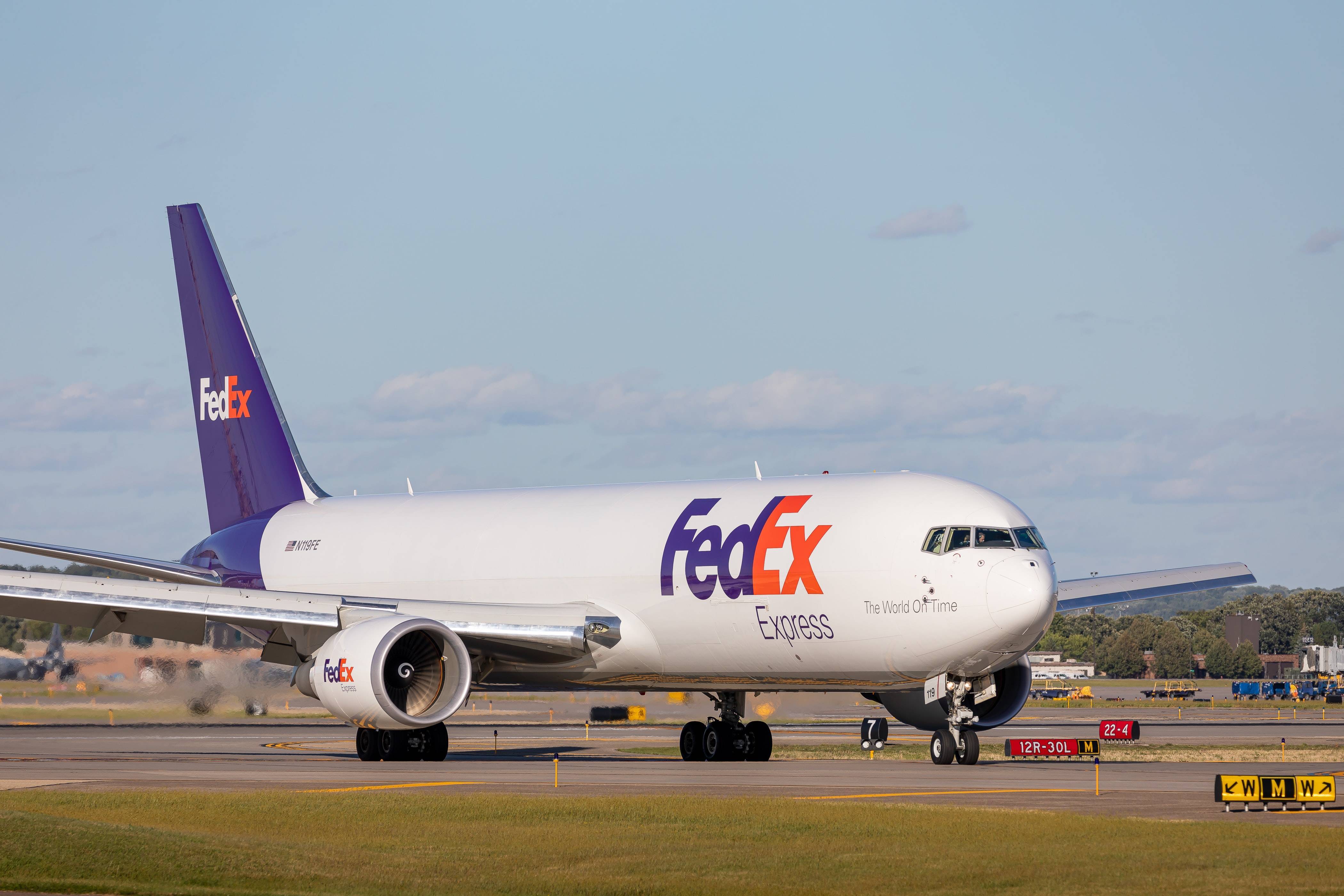
For FBA transportation of batteries to Vietnam, the choice of shipping route plays a significant role in the overall plan. Each mode of transport has distinct advantages and challenges when it comes to battery shipments.
Air Freight:
Shipping by air is faster but more expensive and subject to stricter regulations. When opting for air freight:
- Ensure battery watt-hour ratings are within the allowable limits for air shipping.
- Airlines may impose additional security checks, which can lead to delays.
- Air shipping is generally more suited for small shipments or when speed is a priority.
Sea Freight:
For larger shipments, sea freight offers a more cost-effective solution. However, shipping batteries by sea requires:
- Special containers and adherence to international maritime regulations.
- Proper documentation and labeling are still essential, though sea freight typically has fewer restrictions compared to air freight.
Customs and Import Requirements in Vietnam
Once the batteries arrive in Vietnam, you must comply with the country’s customs regulations. Vietnam’s customs officials have strict guidelines when it comes to the import of hazardous materials, including batteries. The General Department of Vietnam Customs has established clear regulations for dangerous goods.
To avoid delays or penalties, ensure the following:
- Correctly declared batteries on the import documents, including the nature, quantity, and type of batteries.
- Pay attention to import taxes and duties that may apply to your shipment.
In addition, make sure that the destination warehouse in Vietnam, such as your FBA Fulfillment Center, is prepared to receive hazardous goods. Working closely with Amazon FBA to confirm their local battery import policies is crucial.
Best Practices for FBA Battery Shipments to Vietnam
1. Check Amazon’s FBA guidelines: Always refer to the most up-to-date Amazon FBA policies regarding battery shipments. They may update regulations or restrictions periodically.
2. Partner with a reliable logistics provider: Choose a logistics company that has experience with dangerous goods and can help ensure compliance with all international regulations, including customs clearance and proper documentation.
3. Use appropriate packaging materials: Properly cushioned packaging will minimize the risk of battery damage during transit.
4. Regularly check compliance updates: Since transportation regulations for batteries can evolve, staying up-to-date with IATA, IMDG, and Amazon’s policies will prevent costly mistakes.
Conclusion
Shipping batteries to Vietnam via FBA requires careful planning and adherence to international safety standards. By understanding the regulatory requirements, utilizing correct packaging and labeling, and choosing the best shipping route, sellers can ensure a smooth shipping process. Always stay informed about local customs and import regulations in Vietnam, and ensure that your logistics partners are experienced in handling dangerous goods. With the right precautions in place, FBA shipments of batteries can be safely delivered to Vietnam, contributing to the success of your e-commerce operations.

Adhering to the business philosophy of "customer-centric" honesty first, pragmatic innovation", we focus on providing customers with "professional, safe, efficient and economical" international logistics services, and strive to become the first choice in the minds of customers.
ADDRESS: 101 Qinghui International, No. 160 Qisha Ferry Road, Shatian Town, Dongguan City, Guangdong Province
CONTACT NUMBER: 13620081619 / 18680404400
CONTACT PERSON: Shelly / Alan
E-mail: shelly@qhgj56.com
alan@qhgj56.com
Copyright © 2025 QH INTERNATIONAL LOGISTICS LIMITED