Sea freight service for batteries to Vietnam
- Time of issue:2025-09-19
Sea freight service for batteries to Vietnam
- Time of issue:2025-09-19
When it comes to international shipping, sea freight is one of the most cost-effective and reliable methods, especially when transporting items as sensitive as batteries. Shipping batteries, however, involves a unique set of challenges and requirements, particularly due to their classification as hazardous goods in many countries. For businesses and individuals looking to transport batteries to Vietnam, understanding the intricacies of sea freight services is crucial for ensuring a smooth, safe, and timely delivery.
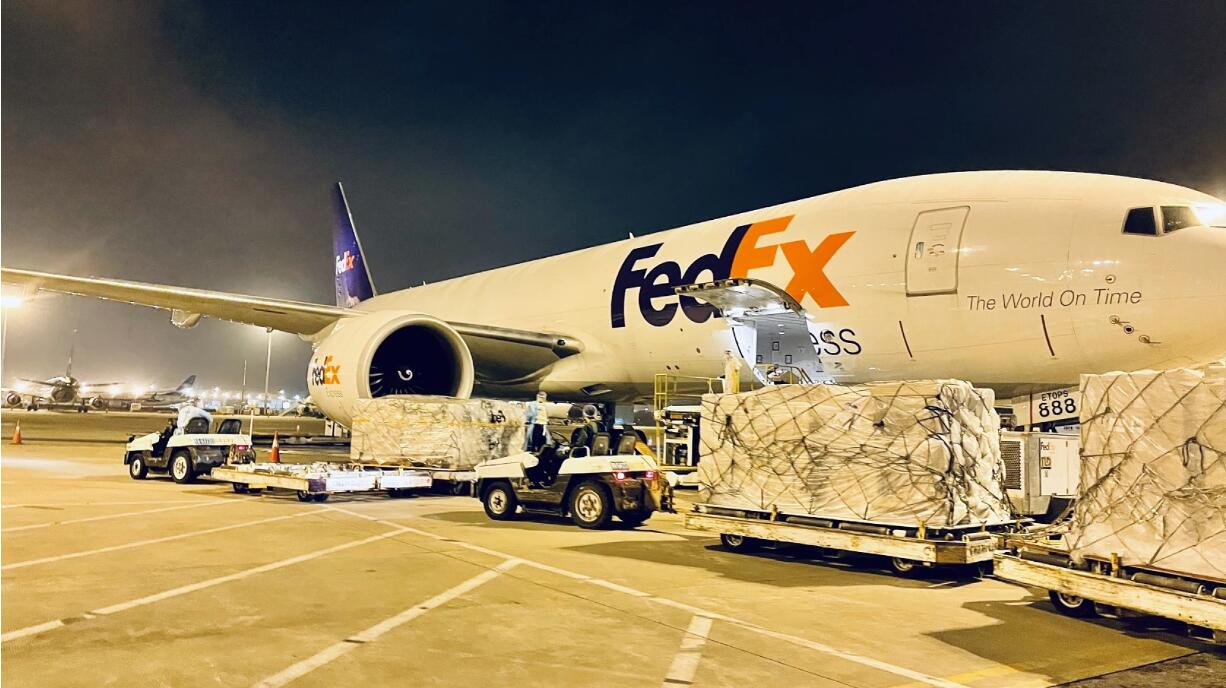
Understanding the Importance of Sea Freight for Batteries
Sea freight refers to the transportation of goods via ocean-going vessels. It is one of the oldest and most widely used methods of shipping due to its efficiency in handling large volumes of goods at a lower cost compared to air freight. For shipping batteries, sea freight becomes an essential option, especially for larger quantities or bulk shipments. Batteries, being classified as dangerous goods, require special handling, documentation, and compliance with international shipping regulations.
Vietnam, with its growing economy and increasing demand for technological products, is one of the major destinations for battery shipments. Batteries are vital components in consumer electronics, electric vehicles, renewable energy storage, and a variety of industrial applications. As a result, businesses need to understand the logistics of shipping batteries to Vietnam, ensuring both safety and compliance.
Key Considerations When Shipping Batteries to Vietnam
1. Classification of Batteries as Dangerous Goods
Batteries, particularly lithium-ion batteries, are classified as dangerous goods due to their potential fire hazards. These batteries can overheat, catch fire, or even explode if not handled correctly. International shipping regulations, including those outlined by the International Maritime Dangerous Goods (IMDG) Code, stipulate stringent requirements for the packaging, labeling, and documentation of dangerous goods.
When shipping batteries to Vietnam, it is critical to ensure that they are properly classified, marked, and packed according to these regulations. Failure to comply with these regulations can lead to shipment delays, fines, or even the confiscation of goods.
2. Selecting the Right Sea Freight Service Provider
Not all sea freight service providers have experience handling hazardous goods. Therefore, it is essential to partner with a logistics company that specializes in dangerous goods shipping and has a proven track record of shipping batteries. Such providers are well-versed in the regulations and requirements that apply to shipping hazardous goods to Vietnam.
Look for a logistics partner who offers:
- Expertise in dangerous goods handling: Knowledge of the IMDG Code and other relevant shipping guidelines.
- Customs compliance: Handling all the required documentation, including the Dangerous Goods Declaration (DGD) and other regulatory documents.
- Insurance: Coverage for any damage or loss during transit.
Choosing the right logistics provider can significantly reduce the risk of complications during the shipping process.
3. Understanding Import Regulations in Vietnam
Each country has its own import regulations regarding hazardous goods, and Vietnam is no exception. To import batteries into Vietnam, businesses need to comply with both international regulations and Vietnamese customs laws. Vietnam's General Department of Customs requires that all shipments be accompanied by the correct paperwork, including a dangerous goods declaration, the proper labeling, and documentation proving that the goods meet safety standards.
Vietnam’s Ministry of Transport also has specific guidelines for the transportation of lithium-ion and other types of batteries. These regulations aim to ensure the safety of both the environment and the people involved in the transport process.
Before shipping batteries to Vietnam, it is wise to work with a local customs broker or a freight forwarder who can assist with ensuring that all documentation is accurate and up to date.
4. Choosing the Right Packaging for Batteries
Proper packaging is essential when shipping batteries, particularly lithium-ion batteries, as improper packaging can lead to dangerous situations during transit. Batteries must be packed in fire-resistant materials, and the terminals must be insulated to prevent short circuits. Additionally, packaging should be robust enough to withstand the rigors of sea transport, including the possibility of rough handling.
Some important packaging requirements include:
- Non-conductive materials for insulation and protection.
- Clear warning labels indicating the hazardous nature of the goods.
- Packaging that adheres to the IMDG Code and other international standards for dangerous goods.
5. Transit Time and Costs
Sea freight is generally a more economical option than air freight, but it does come with longer transit times. Shipping batteries from international ports to Vietnam via sea can take anywhere from 2 to 6 weeks, depending on the origin, port of entry, and potential customs clearance times.
It’s important to account for these transit times in your business’s supply chain management. While sea freight may be cheaper, delays due to customs clearance or improper documentation can add additional time to the shipment. Working with an experienced logistics partner can help minimize these delays.
6. Customs Clearance and Delivery in Vietnam
Once the batteries arrive in Vietnam, they must go through customs clearance. This process involves ensuring that all duties and taxes are paid, and that the shipment complies with Vietnamese regulations. Having the right customs broker can expedite this process by ensuring that all paperwork is in order and that the shipment is cleared quickly.
Upon clearance, the goods are ready for delivery. Depending on the agreement with your logistics provider, delivery can be made to a designated warehouse, manufacturing facility, or directly to your customer.
Conclusion
Shipping batteries via sea freight to Vietnam is a practical and cost-effective solution for businesses looking to transport large quantities of batteries. However, it requires careful attention to international regulations, proper packaging, and reliable logistics partners. By choosing the right service provider and understanding the local import requirements, businesses can ensure the safe, timely, and cost-efficient delivery of their battery shipments to Vietnam.
Whether you're shipping lithium-ion batteries, lead-acid batteries, or other types, partnering with an experienced logistics company will ensure that your goods are transported in compliance with all safety standards and regulations.

Adhering to the business philosophy of "customer-centric" honesty first, pragmatic innovation", we focus on providing customers with "professional, safe, efficient and economical" international logistics services, and strive to become the first choice in the minds of customers.
ADDRESS: 101 Qinghui International, No. 160 Qisha Ferry Road, Shatian Town, Dongguan City, Guangdong Province
CONTACT NUMBER: 13620081619 / 18680404400
CONTACT PERSON: Shelly / Alan
E-mail: shelly@qhgj56.com
alan@qhgj56.com
Copyright © 2025 QH INTERNATIONAL LOGISTICS LIMITED