Battery delivery to Vietnam courier company
- Time of issue:2025-09-19
Battery delivery to Vietnam courier company
- Time of issue:2025-09-19
When it comes to international logistics, battery delivery to countries like Vietnam presents unique challenges and opportunities. With the booming e-commerce market and an increasing demand for electronic devices, businesses must understand the intricacies of shipping and delivering batteries effectively. In this article, we will explore the best practices, challenges, and key considerations when using a courier company for battery shipments to Vietnam.
Why Battery Deliveries to Vietnam Matter
The increasing demand for electronic gadgets and renewable energy solutions in Vietnam has led to a surge in the importation of batteries. From smartphones and laptops to electric vehicles (EVs) and solar energy systems, batteries are crucial to many sectors. For companies that deal with battery supplies, choosing a reliable courier service for international shipping is paramount. Not only does the proper delivery method ensure timely arrival, but it also helps in maintaining safety and compliance with local regulations.
Understanding the Shipping Regulations for Batteries
Shipping batteries internationally involves strict guidelines due to their hazardous nature. Batteries, especially lithium-ion batteries, can be volatile if mishandled or damaged, posing potential risks such as fire hazards or leakage of harmful substances. Therefore, understanding these regulations is essential for ensuring safe and compliant deliveries.
In Vietnam, like many other countries, the shipping of batteries is strictly controlled by international aviation safety standards (such as IATA and ICAO). Most courier companies must follow these regulations to guarantee safe transit. Some of the important aspects include:
- Proper Packaging: Batteries must be carefully packed with shockproof materials and clearly labeled to indicate their hazardous nature.
- Documentation: All shipments of batteries require appropriate declarations of dangerous goods to comply with customs regulations.
- Courier Restrictions: Some courier companies may have specific restrictions based on the type of battery or the mode of transportation (air, sea, or land).
Failure to adhere to these rules can result in delays, fines, or the refusal of the shipment. It is important for businesses to work closely with their courier to ensure they meet all necessary legal requirements.
Choosing the Right Courier Company
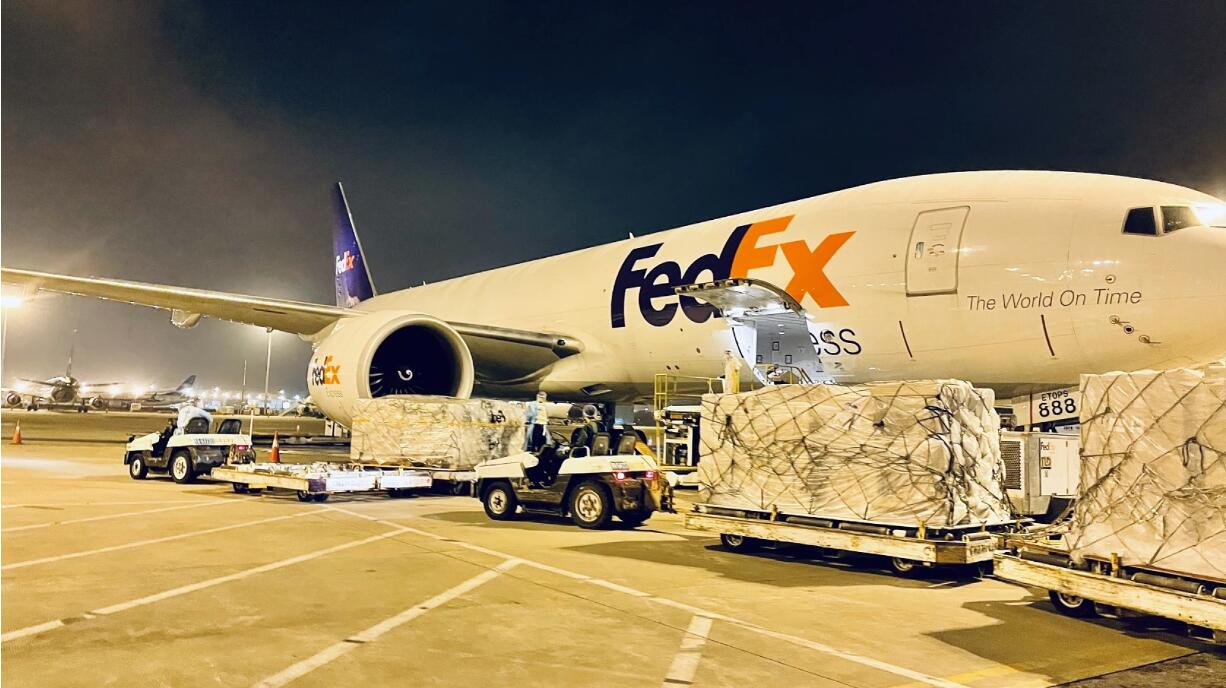
Not all courier services are equipped to handle battery shipments. Businesses looking to send batteries to Vietnam should partner with a courier company that has experience in transporting hazardous goods. Major international courier companies like DHL, FedEx, and UPS are well-versed in the regulations and processes involved in shipping batteries to various destinations, including Vietnam. These companies offer specialized battery shipping services that ensure compliance with all necessary safety protocols.
When selecting a courier, consider the following:
- Track Record and Expertise: Choose a courier that has experience with hazardous goods shipping and a proven track record in international logistics.
- Timeliness and Cost-Effectiveness: Evaluate the courier's delivery timelines and compare pricing. Air freight may be faster but more expensive, whereas sea freight is slower but more affordable.
- Insurance Coverage: Ensure that the courier offers insurance for battery shipments, especially considering the potential risks associated with transporting hazardous materials.
Customs Clearance for Battery Deliveries to Vietnam
Before shipping batteries to Vietnam, it’s essential to understand the customs clearance process. Vietnam has specific import regulations, and customs authorities are known for strict enforcement of these rules. To avoid delays, it's critical to provide the right paperwork, such as:
- Import Licenses: Depending on the type of battery and its intended use, an import license might be required.
- Customs Declarations: Customs authorities will need to verify the details of the battery shipment, including the type of battery, quantity, and value.
- Duties and Taxes: Be prepared for any applicable import duties or taxes that might apply to the batteries being delivered.
Failure to provide accurate and timely documentation can result in delays at customs, which can severely disrupt delivery schedules.
Handling Delivery Delays and Risks
While reliable courier services can ensure timely delivery, unforeseen circumstances can sometimes lead to delays. Potential risks such as weather conditions, customs holdups, or transportation strikes can all impact delivery timelines. Here are a few tips for handling delays and minimizing risks:
- Plan Ahead: Since battery shipments can be subject to extra inspection or handling, it’s best to build in extra time for potential delays.
- Track Shipments: Most international courier companies provide real-time tracking. Regular updates allow businesses to stay informed about their shipments’ status and proactively address any issues.
- Contingency Planning: Have a backup plan for urgent shipments in case of major disruptions. This might involve choosing an alternative route or using express shipping services.
Best Practices for Smooth Battery Delivery to Vietnam
To ensure the smooth delivery of batteries to Vietnam, businesses should adhere to the following best practices:
1. Ensure Correct Labeling and Documentation: Proper labeling and documentation are essential for customs clearance and safe handling.
2. Choose the Right Shipping Method: Depending on the urgency, choose the best shipping method (air, sea, or land) based on cost, delivery time, and safety.
3. Understand Local Regulations: Research the latest Vietnamese import regulations for batteries, as non-compliance can lead to costly delays.
4. Collaborate with Experienced Couriers: Work with courier companies that specialize in hazardous goods shipping to ensure your shipments are handled with care.
5. Prepare for Unexpected Delays: Build time into your shipping schedule to account for potential delays and risks.
Conclusion
In conclusion, battery delivery to Vietnam requires careful planning, understanding of shipping regulations, and choosing the right courier company. By ensuring compliance with international shipping standards, working with reliable logistics partners, and preparing for potential risks, businesses can ensure safe, timely, and cost-effective deliveries. Whether you are sending batteries for consumer electronics, electric vehicles, or renewable energy storage systems, taking the proper steps will guarantee that your shipment reaches its destination safely and without unnecessary delays.
Adhering to the business philosophy of "customer-centric" honesty first, pragmatic innovation", we focus on providing customers with "professional, safe, efficient and economical" international logistics services, and strive to become the first choice in the minds of customers.
ADDRESS: 101 Qinghui International, No. 160 Qisha Ferry Road, Shatian Town, Dongguan City, Guangdong Province
CONTACT NUMBER: 13620081619 / 18680404400
CONTACT PERSON: Shelly / Alan
E-mail: shelly@qhgj56.com
alan@qhgj56.com
Copyright © 2025 QH INTERNATIONAL LOGISTICS LIMITED