Transportation Plan for Batteries to FEDEX Vietnam
- Time of issue:2025-09-18
Transportation Plan for Batteries to FEDEX Vietnam
- Time of issue:2025-09-18
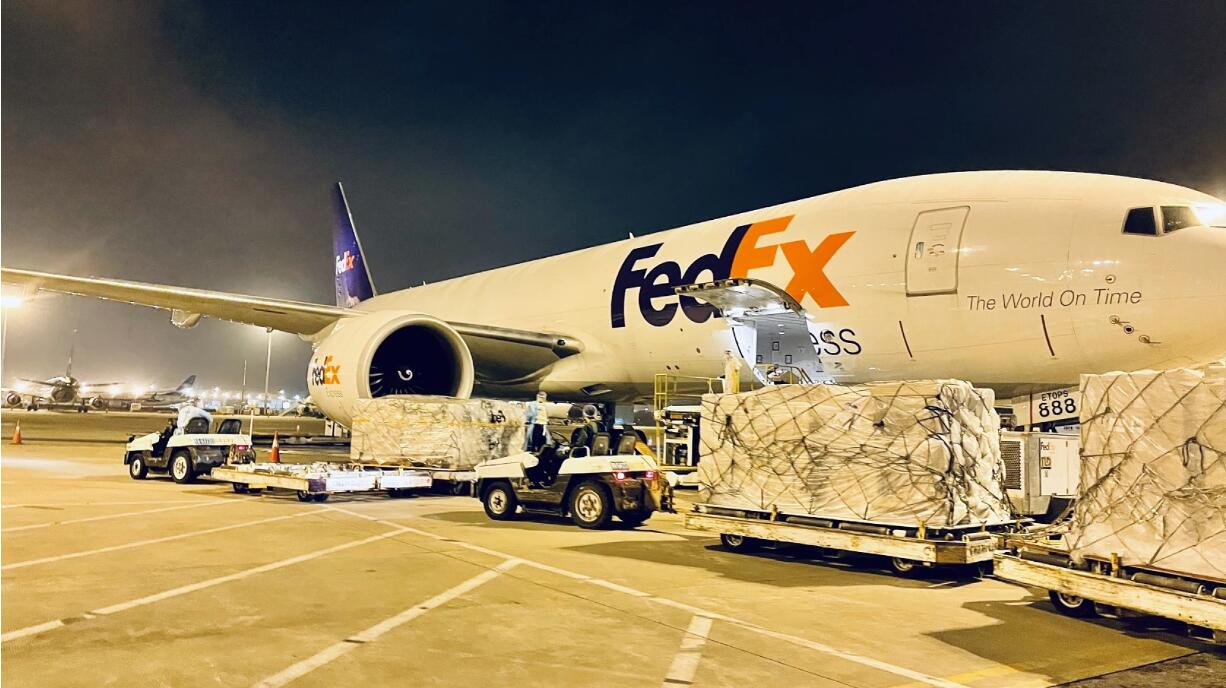
When it comes to shipping batteries, especially internationally, the logistics and transportation process requires careful planning and adherence to regulatory standards. In this article, we will focus on the transportation plan for shipping batteries to FedEx Vietnam, considering the requirements for battery classification, packaging, and the specific considerations for this destination.
1. Understanding Battery Regulations for International Shipping
Shipping batteries internationally involves compliance with numerous regulations due to the potential hazards they pose, especially lithium-ion and lithium-metal batteries. These regulations are often governed by global safety standards such as the International Air Transport Association (IATA), UN 3480, and UN 3481 for air transport. The key consideration when transporting batteries is ensuring that they are packaged, labeled, and documented correctly to avoid risks such as short-circuiting, overheating, and potential fire hazards.
2. Battery Types and Their Classification
There are several types of batteries that may need to be shipped, including lithium-ion, lithium-metal, nickel-cadmium, and alkaline. Each of these requires specific handling depending on its class and capacity. For example:
- Lithium-ion Batteries (UN 3480): These are commonly found in electronics and must be shipped with precautions to prevent short circuits and ensure they are safely contained.
- Lithium-metal Batteries (UN 3090): Typically used in cameras and medical devices, these need additional documentation to verify they meet the necessary specifications for safe transport.
For shipping to FedEx Vietnam, knowing the exact type of battery being shipped is critical for proper classification, as different carriers and countries have their specific rules.
3. Packaging Requirements for Battery Shipments
Proper packaging of batteries is crucial to minimize risks during transit. There are specific packaging guidelines for batteries, including:
- Non-conductive Materials: Batteries must be packaged in materials that prevent contact with conductive surfaces. This can include insulating materials like bubble wrap or foam.
- Sealed Containers: Lithium-ion and lithium-metal batteries should be placed in strong, rigid containers to prevent physical damage.
- Labeling: The shipment must be clearly labeled with the appropriate Dangerous Goods label for lithium batteries, along with handling instructions. This helps ensure the package is treated with the necessary caution during transport.
For FedEx Vietnam, all battery shipments must be labeled according to both international regulations and any additional guidelines established by local customs and regulations. These include specific markings for dangerous goods such as "Lithium-ion Battery - Special Procedures" and clear instructions on what to do in case of emergency.
4. Shipping Documentation and Customs Clearance
Alongside the physical packaging, documentation plays a critical role in battery shipments. Required documents often include:
- Commercial Invoice: This document details the contents of the shipment, the value of the goods, and the consignee details. It is essential for customs clearance in both the origin and destination countries.
- Dangerous Goods Declaration (DGD): This form is required for air shipments containing hazardous materials like lithium batteries. It provides details about the type and number of batteries being shipped and confirms they are packaged safely.
- Certificate of Origin (COO): This may be required depending on the destination country and trade agreements between the origin and Vietnam.
For FedEx Vietnam, it is essential to ensure that all customs paperwork is in order to avoid delays. Vietnam’s customs authorities are strict about imports of hazardous goods, so complete and accurate documentation is required to ensure a smooth transit process.
5. Choosing the Right Shipping Method
When shipping batteries to Vietnam via FedEx, there are several shipping methods available, but each comes with its own set of considerations:
- Air Freight: For urgent shipments, air freight is the most efficient option, but it also requires strict compliance with IATA regulations. Lithium batteries can be shipped by air, but they must be carefully packed and accompanied by the proper documentation.
- Sea Freight: For larger shipments, sea freight is a more cost-effective method. However, the transit time is longer, and the potential risks involved in maritime shipping need to be considered.
- FedEx Ground: This is an option for shipments that do not require urgency but still need careful handling. Ground transport can also be utilized for domestic deliveries within Vietnam, depending on the size and nature of the shipment.
Each method requires different preparations, and careful consideration must be given to the shipping urgency, cost, and transit risks.
6. Customs and Import Duties in Vietnam
When shipping to Vietnam, customs duties and taxes may apply. The Vietnamese Customs authorities impose specific regulations on the importation of goods, including batteries. In most cases, batteries classified as dangerous goods will incur additional handling fees or restrictions, depending on their type and quantity.
It is essential to understand Vietnam’s import regulations concerning hazardous goods. For example, lithium batteries are regulated by both local and international standards. Vietnam’s Ministry of Transport may also have specific requirements for the transportation of such items, which must be accounted for before shipping.
7. Best Practices for Shipping Batteries to FedEx Vietnam
To ensure a smooth transportation process, here are a few best practices to follow:
- Always check FedEx’s specific shipping guidelines for batteries to ensure compliance with all local regulations.
- Ensure that batteries are in good condition before shipping and that there is no risk of damage during transit.
- Verify that the correct labeling and documentation are included, particularly for dangerous goods.
- Monitor the shipment’s progress via tracking systems to avoid any delays or issues in transit.
Conclusion
Shipping batteries to FedEx Vietnam requires detailed planning and understanding of various safety protocols and international shipping regulations. By following proper classification, packaging, documentation, and choosing the correct shipping method, you can ensure that your battery shipments arrive safely and efficiently. Whether you are shipping lithium-ion, lithium-metal, or other types of batteries, complying with safety standards and regulations is critical to ensuring smooth transit and delivery to Vietnam.

Adhering to the business philosophy of "customer-centric" honesty first, pragmatic innovation", we focus on providing customers with "professional, safe, efficient and economical" international logistics services, and strive to become the first choice in the minds of customers.
ADDRESS: 101 Qinghui International, No. 160 Qisha Ferry Road, Shatian Town, Dongguan City, Guangdong Province
CONTACT NUMBER: 13620081619 / 18680404400
CONTACT PERSON: Shelly / Alan
E-mail: shelly@qhgj56.com
alan@qhgj56.com
Copyright © 2025 QH INTERNATIONAL LOGISTICS LIMITED