
Precautions for UPS express delivery of batteries to Thailand
- Time of issue:2025-09-17
Precautions for UPS express delivery of batteries to Thailand
- Time of issue:2025-09-17
When shipping batteries via UPS to Thailand, there are several important precautions and regulations that need to be followed. Batteries, particularly lithium-ion batteries, are classified as dangerous goods due to their potential fire hazards, making it crucial for both the sender and the recipient to adhere to international shipping guidelines. Understanding these precautions not only ensures compliance with safety regulations but also guarantees that your shipment reaches its destination without unnecessary delays or complications.
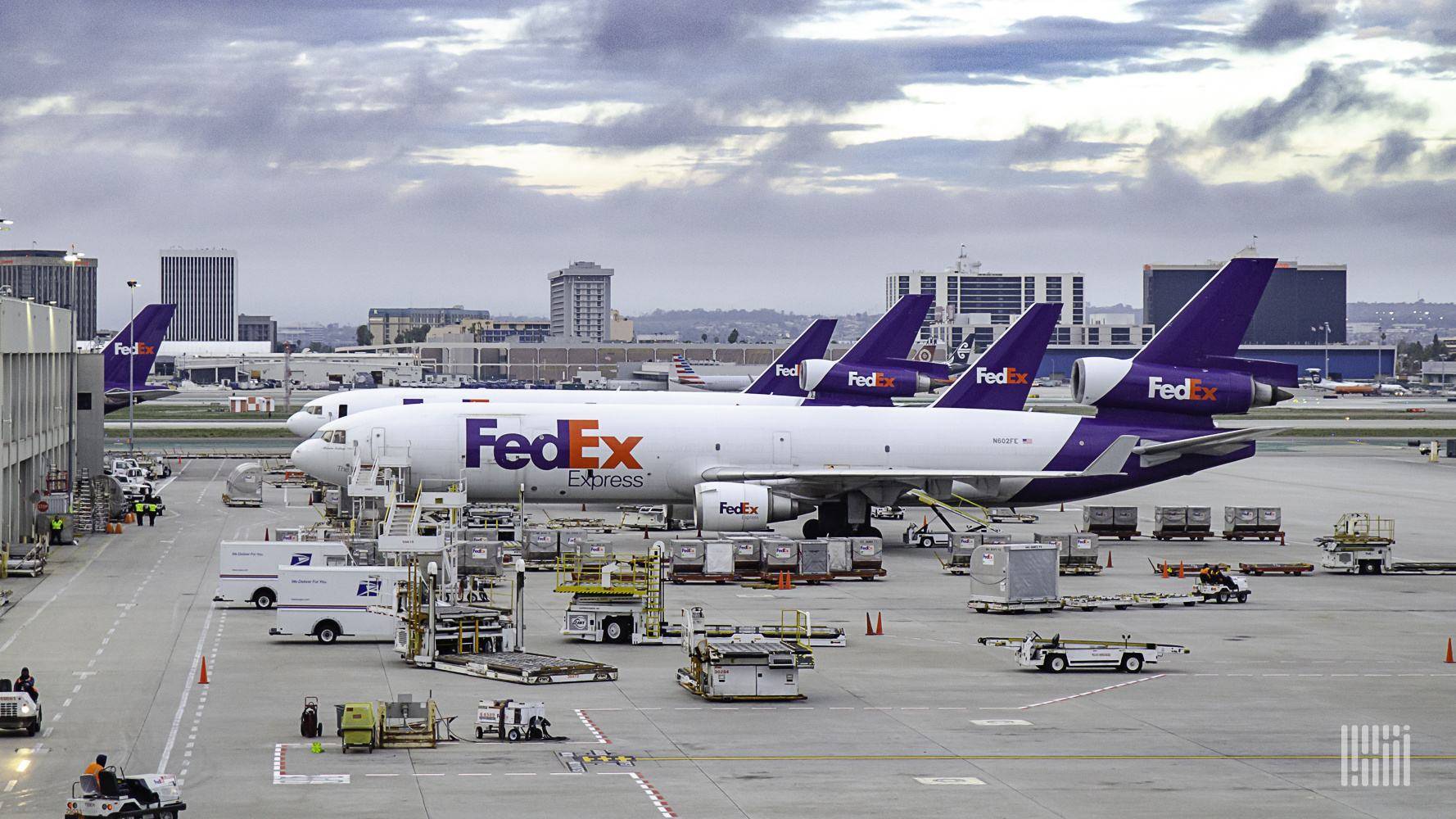
Understanding the Regulations for Shipping Batteries to Thailand
UPS, like other carriers, follows strict international guidelines when shipping batteries to ensure the safety of both the shipment and the general public. Thailand, as a recipient country, enforces its own set of rules in accordance with international regulations such as the International Air Transport Association (IATA) and the International Maritime Dangerous Goods (IMDG) Code. These regulations specify which types of batteries can be shipped, how they should be packaged, and any labeling or documentation requirements.
Types of Batteries That Can Be Shipped
The first step in ensuring a smooth delivery process is to determine the type of battery being shipped. UPS categorizes batteries into two main types:
1. Lithium-ion Batteries: These are commonly found in electronic devices such as smartphones, laptops, and cameras. Due to their potential to catch fire or overheat, special handling and packaging are required.
2. Lithium Metal Batteries: These batteries are more commonly used in smaller devices such as watches, hearing aids, and cameras. They are also considered dangerous goods and subject to shipping regulations.
Shipping Lithium-Ion Batteries by Air and Sea
Air Transport: When shipping lithium-ion batteries by air to Thailand, special care is required. These batteries must be packed in a way that prevents short circuits, such as by using non-conductive materials. UPS requires that lithium-ion batteries be shipped with an appropriate UN number and hazardous material classification.
Additionally, airlines impose restrictions on the quantity of batteries in a single shipment. The State of Charge (SOC) also plays a role in the regulation, and UPS limits shipments to batteries at 30% charge or less when sent by air.
Sea Transport: Shipping lithium batteries by sea is generally safer, but it still requires careful packing. UPS follows the IMDG Code, which sets specific rules for labeling, packaging, and documentation. Ensure that the shipment is securely packed to avoid battery terminals making contact with other items, which could trigger a short circuit.
Packaging and Labeling Requirements
Proper packaging is key to preventing accidents during transit. For both lithium-ion and lithium-metal batteries, strong outer packaging is necessary to protect the batteries from impact and crushing. Bubble wrap or foam padding is often used to provide a cushioned environment.
In addition to secure packaging, clear labeling is essential. Shipments containing lithium-ion batteries must be marked with appropriate hazardous material labels. These labels help alert handlers to the risks involved with the shipment and ensure proper handling. UPS also requires that the package contain a "Lithium Battery Handling Label" and documentation to ensure all regulations are followed.
For shipments by air, the air waybill (AWB) must clearly indicate that the package contains dangerous goods. This ensures that the item is handled according to airline and airport safety protocols.
Documentation and Customs Regulations
One of the most critical aspects of shipping batteries to Thailand is ensuring that all necessary documentation is provided. This includes a dangerous goods declaration and a customs declaration form. The declaration should provide specific details about the contents, including the battery type, UN number, and the total quantity being shipped.
In Thailand, all shipments are subject to customs inspection. As a result, it's important to verify that the batteries meet the country's import regulations. Thailand follows international regulations, but it's still essential to double-check with the Thai Customs Department for any specific requirements.
Be aware that import duties or taxes may apply, depending on the value of the batteries and their intended use. Commercial shipments may be subject to additional scrutiny, so be prepared to provide invoices or proof of value.
Precautions for Safe Delivery
To ensure the safe delivery of your battery shipment to Thailand, follow these precautions:
1. Avoid Overpacking: Never exceed the maximum weight or quantity of batteries specified by UPS or international shipping regulations.
2. Use Certified Packaging: Always use packaging that has been certified for the transport of dangerous goods. This helps to reduce the risk of leakage or short circuits.
3. Double-Check the Documentation: Ensure that the dangerous goods declaration is accurately filled out and that the package is properly labeled with the appropriate handling symbols.
4. Choose the Right Shipping Method: Depending on the urgency of the shipment and the type of battery, you may choose to ship by air or sea. Air shipping is faster, but sea shipping may be safer for larger quantities.
5. Ensure Proper Addressing: Double-check the delivery address to ensure smooth customs processing in Thailand. Any discrepancies can cause delays or returns.
Conclusion
Shipping batteries via UPS to Thailand requires careful planning and attention to detail to comply with international and local regulations. Proper packaging, labeling, and documentation are essential for ensuring that your shipment reaches its destination safely and on time. By following these precautions, you can avoid costly delays and ensure a smooth and efficient delivery process. Whether you're shipping lithium-ion batteries for personal use or commercial purposes, always stay informed about the latest shipping guidelines to ensure compliance and safety throughout the shipping journey.

Adhering to the business philosophy of "customer-centric" honesty first, pragmatic innovation", we focus on providing customers with "professional, safe, efficient and economical" international logistics services, and strive to become the first choice in the minds of customers.
ADDRESS: 101 Qinghui International, No. 160 Qisha Ferry Road, Shatian Town, Dongguan City, Guangdong Province
CONTACT NUMBER: 13620081619 / 18680404400
CONTACT PERSON: Shelly / Alan
E-mail: shelly@qhgj56.com
alan@qhgj56.com
Copyright © 2025 QH INTERNATIONAL LOGISTICS LIMITED