FBA transportation plan for batteries to Thailand
- Time of issue:2025-09-17
FBA transportation plan for batteries to Thailand
- Time of issue:2025-09-17
When planning the transportation of batteries to Thailand via FBA (Fulfillment by Amazon), it’s essential to understand both the logistics of battery shipping and the specific regulations that govern such shipments. Due to the potential hazards associated with battery transportation, particularly lithium-ion and lithium-polymer batteries, handling these shipments with care and knowledge is vital. In this article, we’ll explore key considerations for a smooth FBA transportation plan, taking into account customs regulations, packaging requirements, and the necessary steps to ensure compliance with safety protocols.
Understanding the Basics of FBA and Battery Shipping
Fulfillment by Amazon (FBA) is a popular service for e-commerce sellers who wish to store their products in Amazon’s fulfillment centers, allowing Amazon to handle storage, packaging, and shipping directly to customers. However, when it comes to shipping batteries, there are additional complexities due to their hazardous nature. Batteries, especially lithium-based ones, are classified as dangerous goods by many transportation authorities worldwide, including in Thailand.
Before sending any batteries to Thailand through FBA, it is crucial to ensure they are in compliance with Amazon’s FBA battery shipping policy. Failure to meet these requirements can lead to delays, additional fees, and potentially the rejection of your shipment.
Key Considerations for Shipping Batteries to Thailand
1. Compliance with International Regulations
One of the first steps in planning the transportation of batteries to Thailand is ensuring compliance with international transportation regulations. Both ICAO (International Civil Aviation Organization) and IATA (International Air Transport Association) have strict guidelines for transporting hazardous materials, including batteries. Since air freight is the most common method for shipping FBA products to Thailand, adhering to these standards is vital.
- IATA Regulations: According to IATA, lithium-ion batteries must be shipped under specific conditions, including being transported in specialized packaging to prevent any potential short circuits, leakage, or other safety hazards.
- UN3480/3481: These are the recognized classification codes for lithium-ion and lithium metal batteries, respectively. Understanding these classifications is necessary for selecting the right packaging and ensuring that your batteries are transported legally.
2. Proper Battery Packaging
Battery packaging is another critical consideration when shipping to Thailand. Proper packaging ensures the safety of the goods during transit, and it is also a key requirement for both customs clearance and airline compliance.
- Inner Packaging: Each battery must be placed in a non-conductive material, such as bubble wrap or plastic, to prevent it from making contact with other metals or conductive materials.
- Outer Packaging: The outer packaging must meet specific strength requirements. Boxes should be made from strong, durable materials, and marking labels indicating that the package contains batteries are required. Flammable and hazardous materials symbols should be clearly displayed on the outer box.
- Documentation: Proper documentation is necessary, such as dangerous goods declarations and air waybill details, which should accompany the shipment.
3. Thailand’s Customs Requirements
Thailand has its own customs regulations that may vary depending on the type of battery being imported. For FBA shipments, customs clearance is one of the most crucial phases, as it can directly impact your ability to sell on Amazon and ship your products to customers in Thailand.
- Customs Declarations: All items, including batteries, must be declared to Thai customs. The customs authorities will check for the correct classification and any applicable import duties or taxes. Batteries, being classified as hazardous goods, may face additional scrutiny.
- Restricted Items: Certain types of batteries, especially those containing large amounts of lithium, may be prohibited from entering Thailand. It’s important to verify that the batteries you are shipping do not fall into this category. A professional customs broker or FBA support team can assist in ensuring compliance.
4. Choosing the Right Shipping Method
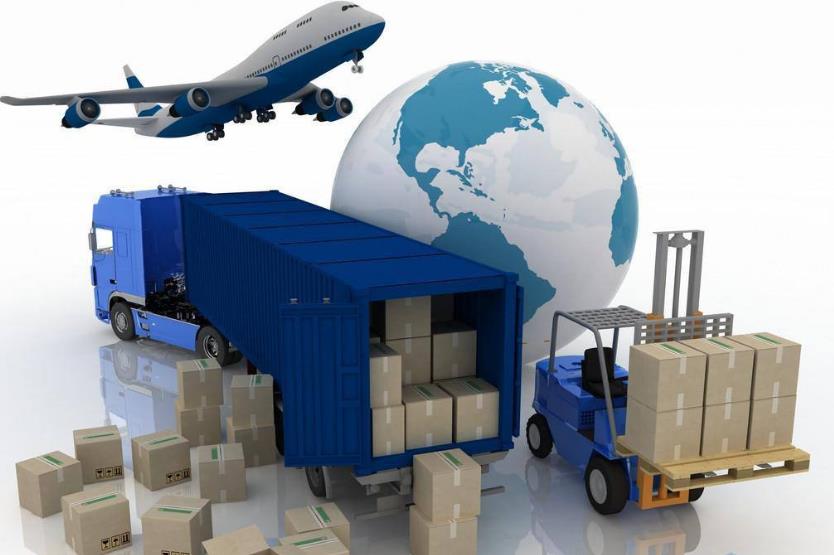
There are various methods available for shipping batteries to Thailand, and the choice of method will depend on the volume of the shipment, the speed of delivery, and the shipping costs. The most common methods for international shipments to Thailand include air freight, ocean freight, and courier services.
- Air Freight: This is the most efficient method for FBA shipments since it allows for faster delivery times. However, it is also the most expensive and involves additional regulations due to the hazardous nature of batteries.
- Ocean Freight: While ocean freight is slower, it may be a cost-effective solution for larger shipments of batteries. However, batteries must still be properly classified and packaged to ensure compliance with both Thai and international regulations.
- Courier Services: Services like DHL, FedEx, or UPS can also handle battery shipments, but they come with restrictions. You must verify whether your batteries meet the carrier’s specific requirements before booking a shipment.
5. Monitoring and Tracking
Once the batteries have been shipped, it’s important to track their progress to ensure they are handled properly throughout the transportation process. Most FBA sellers rely on Amazon’s built-in tracking systems to monitor shipments, but external tracking platforms can also be used for shipments that involve multiple carriers or methods of transportation.
Conclusion: How to Ensure a Smooth FBA Transportation Plan for Batteries to Thailand
Shipping batteries to Thailand for Fulfillment by Amazon (FBA) involves a detailed process that requires compliance with international and Thai regulations, as well as careful attention to packaging and documentation. By understanding the specific requirements for battery transportation, sellers can avoid costly delays, penalties, and safety hazards. Proper preparation—including packaging, labeling, and selecting the appropriate shipping method—will not only ensure that the batteries are shipped legally and safely but also help your products reach your customers in Thailand efficiently.
To sum up, your FBA transportation plan should prioritize the safety, compliance, and timeliness of the shipment. By following all regulatory guidelines, choosing the right shipping methods, and ensuring all documentation is complete, you can ensure a seamless battery import process to Thailand.

Adhering to the business philosophy of "customer-centric" honesty first, pragmatic innovation", we focus on providing customers with "professional, safe, efficient and economical" international logistics services, and strive to become the first choice in the minds of customers.
ADDRESS: 101 Qinghui International, No. 160 Qisha Ferry Road, Shatian Town, Dongguan City, Guangdong Province
CONTACT NUMBER: 13620081619 / 18680404400
CONTACT PERSON: Shelly / Alan
E-mail: shelly@qhgj56.com
alan@qhgj56.com
Copyright © 2025 QH INTERNATIONAL LOGISTICS LIMITED