Battery to FedEx Thailand
- Time of issue:2025-09-15
Battery to FedEx Thailand
- Time of issue:2025-09-15
Shipping Batteries to FedEx Thailand: A Comprehensive Guide to International Logistics
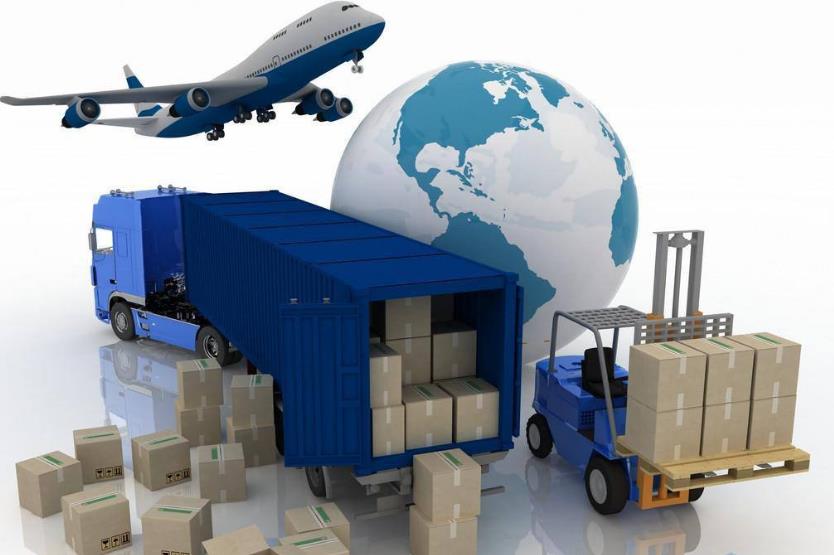
When it comes to shipping sensitive items like batteries, proper handling, packaging, and choosing the right courier service are essential for both safety and compliance. With the rise in demand for electronics and electric vehicles, international shipments of batteries have increased significantly, and FedEx Thailand plays a crucial role in meeting the growing needs of businesses and consumers.
In this article, we will dive into the best practices for shipping batteries to Thailand via FedEx, including packaging requirements, regulations, and how to navigate the complexities of international logistics.
Understanding Battery Shipping Regulations
Shipping batteries internationally can be complicated, especially due to the stringent regulations enforced by international aviation authorities and transportation safety organizations. These regulations primarily focus on the safety of air transport, as batteries—particularly lithium-ion and lithium metal batteries—pose a potential fire hazard.
For businesses or individuals planning to ship batteries to FedEx Thailand, it’s crucial to adhere to both FedEx’s shipping guidelines and global transport regulations such as those set by the International Air Transport Association (IATA) and the International Civil Aviation Organization (ICAO).
Types of Batteries
Batteries fall into various categories, and each category comes with its own shipping rules. Below are the most common types:
- Lithium-ion (Li-ion) batteries: Commonly used in smartphones, laptops, and electric vehicles. These batteries are considered hazardous due to their potential to overheat and catch fire under certain conditions.
- Lithium metal batteries: Often found in small electronics like cameras, watches, and medical devices. These are also considered dangerous goods under international shipping regulations.
- Alkaline batteries: These are generally safe for shipment and do not pose the same risks as lithium-based batteries.
Packaging Requirements for Batteries
Proper packaging is crucial when shipping batteries internationally, as improper packing can lead to damage, fires, or delayed shipments. FedEx Thailand has strict requirements to ensure that batteries are packed safely, which includes the following guidelines:
1. Labeling: All packages containing batteries must be clearly labeled. For lithium batteries, FedEx requires a “Lithium Battery Handling Label” to be attached to the package, which indicates the presence of dangerous goods.
2. Separation: Batteries should be separated from metal objects (such as keys or coins) to prevent short-circuiting. For lithium-ion batteries, this typically means insulating the terminals with non-conductive material like tape.
3. Packaging Material: Use strong, cushioned packaging material like bubble wrap or foam to ensure that batteries do not get damaged during transit. FedEx recommends using rigid outer boxes for added protection.
4. State of Charge: Many regulations require lithium batteries to be shipped at a state of charge (SOC) under 30%, reducing the risk of combustion or damage during shipping.
Key Considerations for Shipping to Thailand
When shipping to Thailand, there are a few unique considerations to be aware of, including customs clearance and import restrictions.
1. Customs and Import Regulations
Before shipping any item, especially something as sensitive as batteries, it’s important to be aware of Thailand’s customs and import regulations. Batteries, particularly lithium-based ones, may require special documentation to clear customs.
- Ensure that your shipment is accompanied by the correct HS code (Harmonized System code) to avoid delays.
- Provide a battery declaration to confirm that the batteries are packaged and labeled in accordance with international regulations.
2. Taxes and Duties
Thailand imposes duties and taxes on imports, and batteries are no exception. Depending on the type and value of the batteries being shipped, you may need to pay customs duties and value-added tax (VAT). Be prepared to handle any additional costs associated with shipping batteries to Thailand.
3. Prohibited Items
Certain types of batteries, particularly those that are damaged, recalled, or prohibited by international standards, may not be eligible for shipment. Be sure to check FedEx's prohibited and restricted items list to avoid complications.
How FedEx Thailand Ensures Safe Battery Shipping
FedEx has established a reputation for safely shipping a variety of goods worldwide, and its services in Thailand are no different. Here’s how FedEx Thailand ensures safe shipping of batteries:
1. Expertise in Dangerous Goods Handling: FedEx employs trained staff to handle dangerous goods like batteries, ensuring compliance with all relevant regulations.
2. Global Tracking: FedEx offers end-to-end tracking for battery shipments, so you can monitor the status of your package in real time.
3. Airline Safety Protocols: FedEx adheres to all IATA and ICAO regulations regarding the transport of dangerous goods by air, ensuring that your shipment arrives safely and on time.
Tips for a Smooth Shipping Experience
1. Double-check regulations: Before sending batteries, review the latest regulations on FedEx’s official website or consult with a shipping expert to ensure your shipment meets all requirements.
2. Use FedEx’s Dangerous Goods Service: For those unfamiliar with the rules surrounding dangerous goods, using FedEx’s Dangerous Goods Service can be a great way to ensure compliance.
3. Track your shipment: Stay updated on the status of your shipment with FedEx tracking. You can also receive alerts when your package is nearing delivery in Thailand.
4. Consult FedEx Thailand: If you’re unsure about any aspect of the process, contact FedEx Thailand directly for assistance. Their customer service team is well-versed in handling battery shipments and can guide you through the process.
Conclusion
Shipping batteries to FedEx Thailand doesn’t have to be complicated if you understand the key regulations and packaging requirements. By following the necessary steps to prepare your batteries for shipment, you can ensure a safe, timely delivery. Whether you’re shipping lithium-ion batteries for electronics or smaller lithium-metal batteries, adhering to safety protocols and working with experienced logistics providers like FedEx will help streamline the process. Always stay informed about current shipping guidelines, and be prepared to navigate any customs or regulatory hurdles that may arise.

Adhering to the business philosophy of "customer-centric" honesty first, pragmatic innovation", we focus on providing customers with "professional, safe, efficient and economical" international logistics services, and strive to become the first choice in the minds of customers.
ADDRESS: 101 Qinghui International, No. 160 Qisha Ferry Road, Shatian Town, Dongguan City, Guangdong Province
CONTACT NUMBER: 13620081619 / 18680404400
CONTACT PERSON: Shelly / Alan
E-mail: shelly@qhgj56.com
alan@qhgj56.com
Copyright © 2025 QH INTERNATIONAL LOGISTICS LIMITED