Battery to DHL Thailand
- Time of issue:2025-09-15
Battery to DHL Thailand
- Time of issue:2025-09-15
Shipping Batteries to DHL Thailand: A Comprehensive Guide for Efficient Logistics
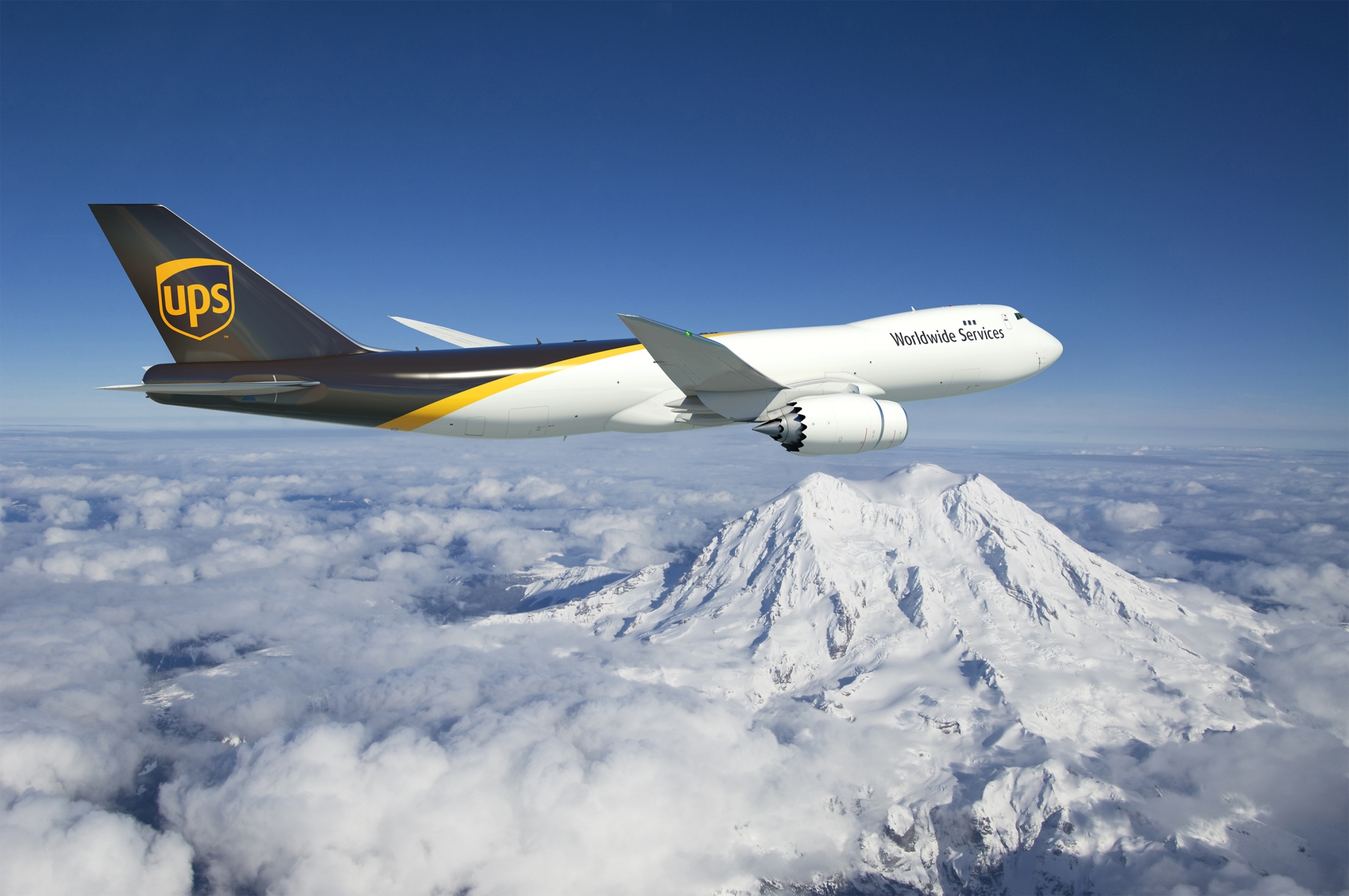
When it comes to international shipping, especially when dealing with sensitive items like batteries, it’s essential to understand the regulations, packaging requirements, and logistics involved in getting your product to its destination safely. For businesses and individuals shipping batteries to Thailand via DHL, there are specific guidelines and procedures to follow. This article will outline the key aspects of shipping batteries with DHL, addressing everything from the different types of batteries to packing and safety measures.
Types of Batteries and Their Shipping Requirements
Batteries are commonly categorized into several types, each with its own set of regulations when it comes to international shipping. The primary types of batteries you may need to ship are:
1. Lithium-ion Batteries – These are widely used in electronics like smartphones, laptops, and electric vehicles. Due to their high energy density, lithium-ion batteries are considered dangerous goods and require careful handling. They can either be shipped contained in a device or as standalone lithium-ion battery cells.
2. Lithium Metal Batteries – Unlike lithium-ion, lithium metal batteries are used in devices like hearing aids and cameras. These are also considered hazardous goods but have different packaging requirements from lithium-ion batteries.
3. Alkaline Batteries – These batteries are commonly found in household electronics and are not usually considered hazardous. They can be shipped more easily, but DHL still recommends proper packaging to avoid leaks or corrosion.
4. Lead Acid Batteries – Often used in vehicles, lead-acid batteries are classified as hazardous materials and have strict shipping guidelines due to their potential for leaking dangerous chemicals.
Key Considerations for Shipping Batteries to Thailand
Shipping batteries internationally, especially to a country like Thailand, requires adherence to both international regulations and local laws. Here are some important points to keep in mind:
1. DHL’s Dangerous Goods Regulations
DHL follows the guidelines set by the International Air Transport Association (IATA) and International Maritime Dangerous Goods (IMDG) codes. When shipping hazardous items like batteries, DHL requires specific documentation, and certain shipping methods, such as air transport, may have additional restrictions.
- Lithium-ion batteries must often be shipped by ground or cargo air freight if they exceed a certain watt-hour rating (300Wh for lithium-ion and 300 grams for lithium metal).
- Special labels must be used to mark the package as containing dangerous goods.
2. Proper Packaging
Packing batteries correctly is essential to ensure that they are protected during transit and comply with all regulations. DHL provides guidelines on the packaging of dangerous goods that must be followed closely:
- Lithium Batteries: Must be placed in strong, protective packaging to prevent short circuits. Each battery should be individually wrapped in plastic, and the terminals must be insulated.
- Non-rechargeable Batteries: Often require non-conductive materials to separate them from other items in the shipment.
In addition, labeling is crucial when shipping batteries. Specific dangerous goods labels and handling instructions should be attached to the shipment. DHL offers detailed resources on how to label shipments correctly.
3. Customs and Import Restrictions
Every country has its own import regulations for dangerous goods, including battery shipments. In Thailand, while lithium batteries are commonly imported, there are still strict customs requirements for these items. To ensure smooth processing through Thai customs, you may need to:
- Complete a Customs Declaration specifying the type of batteries being shipped.
- Ensure the batteries are properly labeled as hazardous goods.
- Provide Certificates of Compliance or Safety Data Sheets (SDS), particularly for lithium-ion batteries.
DHL’s local teams can assist you in preparing the necessary documents for Thai customs clearance to avoid delays or fines.
4. Shipping Costs and Timeframes
The cost of shipping batteries to Thailand can vary depending on the weight, size, and type of battery being shipped, as well as the shipping method chosen. Generally, air freight is faster but more expensive, while sea freight is a cost-effective option for larger shipments, though it may take longer to reach Thailand.
DHL offers several shipping options for battery deliveries, ranging from express services for fast deliveries to standard shipping for less urgent shipments. Timeframes typically range from 1 to 5 days for air freight, while sea freight can take several weeks.
5. Tracking Your Shipment
DHL offers advanced tracking services that allow you to monitor the progress of your shipment. You can receive real-time updates on the status of your battery shipment as it moves through various stages of transit. This tracking feature is especially important when shipping hazardous materials, as it provides visibility and accountability.
Safety Precautions During Battery Shipment
When shipping hazardous materials like batteries, safety is a top priority. DHL follows strict safety protocols to ensure that all shipments, particularly dangerous goods like batteries, are handled with the highest level of care.
- Emergency Response: In the event of a shipment involving damaged or leaking batteries, DHL provides emergency contact information and trained personnel to manage the situation.
- Battery Safety Regulations: All batteries must be in good condition and properly packed. If you are shipping used or damaged batteries, it’s crucial to follow additional safety regulations as they pose a higher risk during transportation.
Conclusion
Shipping batteries to Thailand via DHL requires a good understanding of the rules and regulations around dangerous goods transportation. By following DHL’s guidelines, ensuring proper packaging, and adhering to import regulations, you can ensure that your batteries reach their destination in Thailand safely and efficiently.
Whether you’re sending lithium-ion batteries for a business shipment or alkaline batteries for personal use, DHL provides comprehensive solutions for shipping dangerous goods worldwide. By taking the necessary precautions and using DHL’s robust logistics network, your battery shipments to Thailand can be a smooth and hassle-free experience.
Adhering to the business philosophy of "customer-centric" honesty first, pragmatic innovation", we focus on providing customers with "professional, safe, efficient and economical" international logistics services, and strive to become the first choice in the minds of customers.
ADDRESS: 101 Qinghui International, No. 160 Qisha Ferry Road, Shatian Town, Dongguan City, Guangdong Province
CONTACT NUMBER: 13620081619 / 18680404400
CONTACT PERSON: Shelly / Alan
E-mail: shelly@qhgj56.com
alan@qhgj56.com
Copyright © 2025 QH INTERNATIONAL LOGISTICS LIMITED