

Precautions for Battery Delivery to FEDEX in Germany
- Time of issue:2025-09-15
Precautions for Battery Delivery to FEDEX in Germany
- Time of issue:2025-09-15
When preparing to send batteries via FedEx in Germany, it is essential to understand the safety regulations and guidelines to ensure smooth delivery. Batteries, whether lithium-ion or traditional alkaline, are categorized as hazardous materials, which means they require special handling, packaging, and documentation. Shipping them safely through a trusted courier like FedEx ensures the safety of both the sender and the recipient while complying with international regulations.
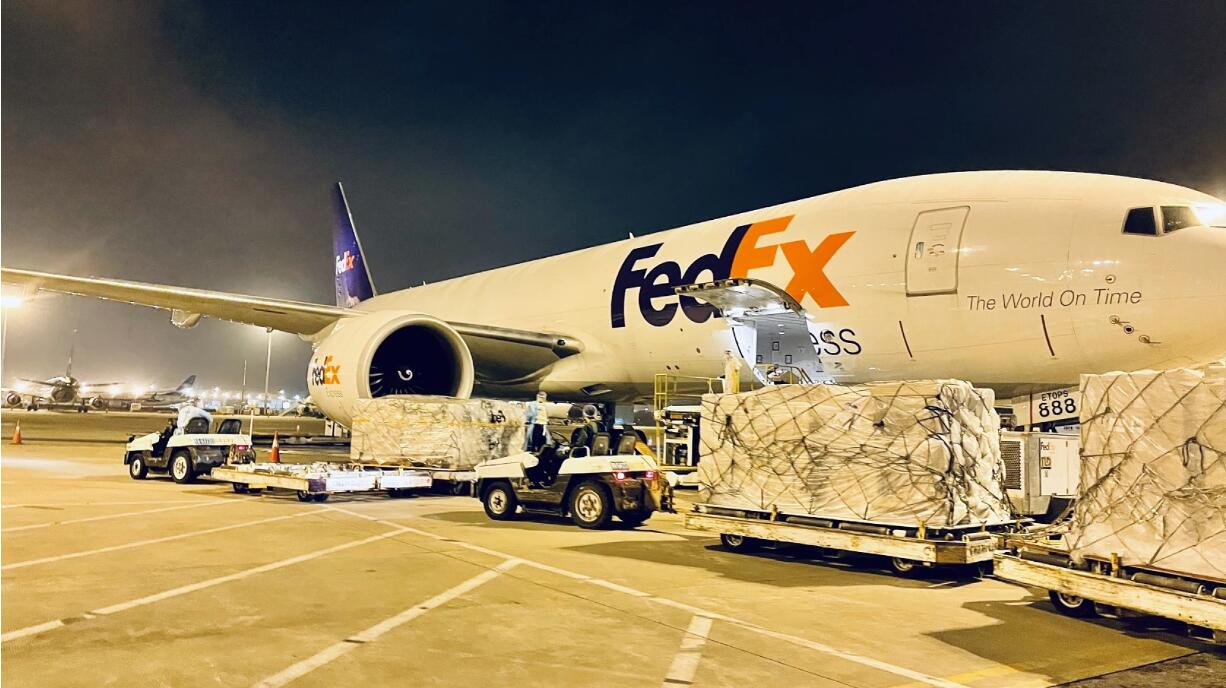
Understanding Battery Regulations in Germany and Europe
Germany, as part of the European Union, adheres to strict regulations for the transportation of dangerous goods. These regulations are in line with the International Air Transport Association (IATA) and ADR (European Agreement concerning the International Carriage of Dangerous Goods by Road). It is vital to note that not all batteries are treated the same. Different types of batteries, such as lithium-ion and lithium metal batteries, have specific rules that dictate how they should be packaged, marked, and shipped.
Lithium-ion batteries (commonly used in electronics like smartphones, laptops, and power banks) are often more strictly regulated than regular alkaline or nickel-metal hydride (NiMH) batteries. This is because lithium-ion batteries can pose a fire risk if damaged, improperly packaged, or exposed to extreme temperatures. Therefore, following the correct procedures is crucial to prevent accidents.
Key Requirements for Shipping Batteries with FedEx in Germany
1. Proper Classification of Batteries
Before sending a battery, it is crucial to classify it correctly. FedEx requires shippers to identify whether the battery falls under one of the following categories:
- Lithium-ion Batteries: These batteries are commonly used in electronics and can be dangerous if not shipped correctly.
- Lithium Metal Batteries: Often used in devices like hearing aids or cameras, these batteries have stricter shipping requirements due to their higher energy density.
- Other Battery Types: Alkaline and NiMH batteries are generally safer but still require proper packaging and handling.
Understanding which type of battery you are shipping helps determine the applicable rules and ensures that you comply with all regulations.
2. Packaging and Labeling
Packaging is one of the most critical aspects when shipping batteries. FedEx provides clear instructions for packaging, especially for lithium-based batteries. Here are the key points to remember:
- Lithium-ion batteries should be placed in strong, non-conductive packaging that prevents short circuits. You must ensure that the terminals are isolated, for instance, by using tape to cover the battery’s terminals.
- Lithium metal batteries must be shipped with their terminals insulated. If the battery is in a device, ensure the device is securely packaged to prevent accidental activation during transit.
- Alkaline and other non-lithium batteries should also be packaged in a way that prevents damage or short circuits, although their requirements are less stringent than lithium-based batteries.
All packages containing batteries should be marked with the appropriate hazard labels and include a special handling notice if necessary.
3. Documentation and Special Handling
When shipping lithium batteries by FedEx, specific documentation is required. This documentation helps customs and transport authorities understand the contents and handle the shipment properly. The required documents may include:
- A Declaration of Dangerous Goods (DGD), which is a form used to declare hazardous materials.
- Shipper's declaration for lithium batteries, which specifies the battery’s type, quantity, and the safety precautions taken during shipping.
If you're shipping large quantities or bulk shipments, additional certificates of compliance or packaging approvals may be needed.
4. Shipping Lithium Batteries by Air
Lithium batteries are subject to stringent rules when transported by air. In fact, certain shipments may be restricted based on the size and type of battery. If you are shipping by air, ensure the following:
- Lithium-ion batteries must not exceed 300 watt-hours (Wh) per cell for personal use or 300 Wh per package for commercial use.
- Lithium metal batteries must not exceed 5 grams of lithium content per cell.
FedEx may offer special services, such as FedEx Express Dangerous Goods, for shipments containing large quantities of batteries or those requiring air transport.
5. Customs and Import Regulations
Germany, as part of the European Union, enforces strict customs regulations. Batteries may be subject to import duties and taxes. Ensure that you check the customs guidelines for Germany or the specific country you are shipping to, as regulations can differ. Proper documentation, such as commercial invoices and customs declarations, will be necessary for a smooth customs clearance process.
Additional Safety Tips
- Check Battery Condition: Ensure that the batteries are not damaged, leaking, or showing any signs of wear that could increase the risk of a hazardous incident.
- Avoid Shipping with Other Hazardous Materials: Do not ship batteries with other items that could potentially react with them, such as flammable or corrosive substances.
- Check Restrictions: FedEx may have specific restrictions for certain destinations or types of batteries. Always confirm the current regulations on FedEx’s official website or by contacting their customer service before shipping.
Conclusion
Shipping batteries, especially lithium-based ones, requires careful attention to packaging, labeling, documentation, and compliance with regulations. By following FedEx’s guidelines for shipping batteries in Germany, you can ensure a safe and smooth delivery process while adhering to both international and domestic regulations. Whether you are shipping lithium-ion batteries, lithium metal batteries, or other types, it’s essential to be well-informed and prepared. This will minimize risks and ensure that your shipment reaches its destination safely and without delay.

Adhering to the business philosophy of "customer-centric" honesty first, pragmatic innovation", we focus on providing customers with "professional, safe, efficient and economical" international logistics services, and strive to become the first choice in the minds of customers.
ADDRESS: 101 Qinghui International, No. 160 Qisha Ferry Road, Shatian Town, Dongguan City, Guangdong Province
CONTACT NUMBER: 13620081619 / 18680404400
CONTACT PERSON: Shelly / Alan
E-mail: shelly@qhgj56.com
alan@qhgj56.com
Copyright © 2025 QH INTERNATIONAL LOGISTICS LIMITED