

Battery to FEDEX courier service in Germany
- Time of issue:2025-09-15
Battery to FEDEX courier service in Germany
- Time of issue:2025-09-15
In the fast-paced world of e-commerce, ensuring the safe and timely delivery of products is essential for businesses and consumers alike. One of the most critical aspects of logistics involves the transportation of items that require special care—such as batteries. In Germany, FEDEX courier service plays a vital role in the safe and efficient transportation of batteries and similar hazardous goods. This article explores how batteries are handled by FEDEX in Germany, the challenges involved, and the best practices for shipping batteries internationally.
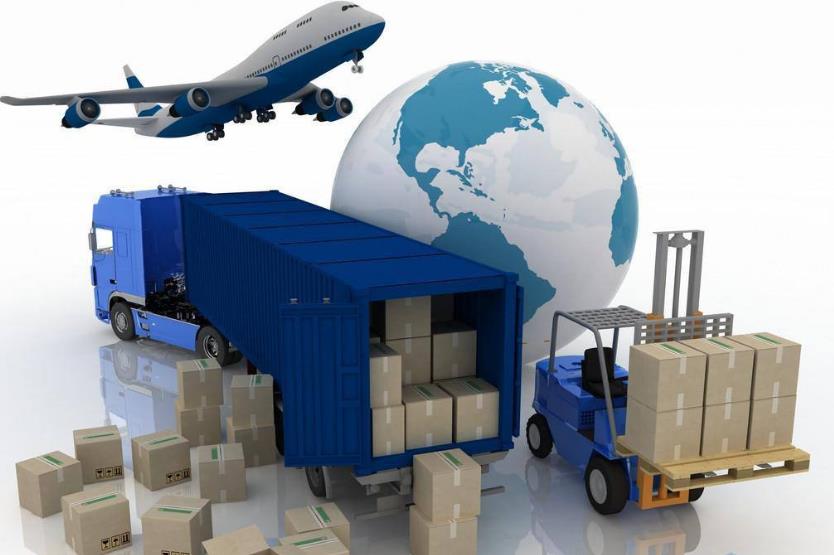
Understanding the Complexity of Shipping Batteries
Shipping batteries, particularly lithium-ion and lithium metal types, is a complex process due to safety concerns. These batteries can be highly sensitive, and if not packaged or transported correctly, they may cause hazards, including fire risks or leakage. As such, the logistics industry, especially courier services like FEDEX, must adhere to strict regulations set by local and international authorities to ensure the safe transport of these items.
In Germany, where regulations are rigorously followed, FEDEX has established a clear framework for the safe shipping of batteries. They follow both national and international guidelines, such as those provided by the International Air Transport Association (IATA) and the United Nations (UN), to ensure that all shipments meet the required safety standards.
FEDEX's Battery Shipping Process in Germany
FEDEX provides a range of shipping options for businesses and individuals looking to ship batteries across Germany and internationally. The process involves several steps to ensure that the batteries are shipped safely:
1. Proper Packaging: Batteries, especially lithium-ion types, require special packaging. FEDEX provides specific guidelines to ensure that the packaging prevents any damage to the batteries during transit. This includes using insulated materials, separate compartments for each battery, and non-conductive materials to prevent short-circuiting.
2. Labeling: Batteries must be correctly labeled with clear warnings and instructions to inform the handler of potential hazards. FEDEX ensures that all shipments are labeled in compliance with the IATA and UN regulations. For example, lithium batteries must have a hazard label to clearly indicate the type of battery being shipped.
3. Documentation: Depending on the type and quantity of batteries being shipped, additional documentation may be required. This may include declarations of dangerous goods or specific customs paperwork. FEDEX assists in providing all necessary paperwork to comply with international shipping laws.
4. Transportation Method: FEDEX uses various transportation methods, including air and ground shipping, to deliver batteries safely. The mode of transport depends on the type of battery, its destination, and the urgency of the delivery. For air transport, additional restrictions are applied, and FEDEX uses specially designed containers to prevent any issues during flight.
5. Tracking and Monitoring: Throughout the shipping process, FEDEX provides real-time tracking updates. Customers can monitor their battery shipments and receive notifications about their status, ensuring complete visibility.
Regulatory Compliance for Battery Shipments
One of the primary concerns when shipping batteries is ensuring that the shipment complies with German and international regulations. Germany, being a part of the European Union, adheres to the EU's regulations on the transportation of hazardous materials, including batteries. These regulations are particularly strict when it comes to lithium-based batteries, which are often found in consumer electronics, medical devices, and other products.
FEDEX ensures compliance with these regulations by:
- Adhering to the IATA Dangerous Goods Regulations (DGR) for air transport
- Following the UN 38.3 testing requirements for lithium batteries
- Ensuring that shipments meet the ADR (Accord européen relatif au transport international des marchandises Dangereuses par Route) guidelines for road transportation in Europe
- Abiding by customs requirements and completing all necessary customs declarations to prevent any delays.
Key Challenges in Shipping Batteries
Despite the robust system in place, shipping batteries is not without challenges. Some of the primary obstacles include:
1. Safety Hazards: The biggest challenge in shipping batteries, especially lithium-ion batteries, is the risk of fire or explosion if the batteries are damaged or improperly handled. To mitigate these risks, FEDEX invests in technology and procedures to minimize the likelihood of incidents during transit.
2. Regulatory Compliance: The regulatory landscape for shipping hazardous goods is complex and can vary from country to country. FEDEX must ensure that all shipments comply with local, national, and international regulations, which can sometimes be difficult to navigate.
3. Increased Costs: Due to the additional precautions required for transporting hazardous materials, the cost of shipping batteries can be higher than regular shipments. This includes costs related to special packaging, dangerous goods declarations, and additional handling.
Best Practices for Shipping Batteries with FEDEX
To ensure the safe and cost-effective delivery of batteries, both businesses and consumers can follow a few best practices when shipping through FEDEX:
1. Check Battery Regulations: Before shipping, it’s crucial to understand the specific regulations surrounding the type of battery being shipped. This includes checking if the battery needs to be shipped as dangerous goods or if any special documentation is required.
2. Choose the Right Service: FEDEX offers various shipping services, and selecting the correct one for your needs can make a significant difference. For urgent shipments, consider air shipping, while for less time-sensitive deliveries, ground shipping may suffice.
3. Package Correctly: Ensure that the batteries are securely packaged in compliance with FEDEX's guidelines. Proper packaging reduces the risk of damage and ensures the batteries are handled safely.
4. Use Tracking and Alerts: Always use FEDEX’s tracking system to monitor your shipment. This helps ensure that you are aware of the progress of your package and any potential delays.
Conclusion
Shipping batteries through FEDEX courier services in Germany requires careful attention to safety, packaging, and regulatory compliance. By understanding the unique challenges involved and following best practices, businesses and individuals can ensure the safe and efficient transport of batteries across Germany and beyond. Whether it’s lithium-ion batteries or other types, FEDEX provides a comprehensive solution to meet the demands of today’s global shipping needs.

Adhering to the business philosophy of "customer-centric" honesty first, pragmatic innovation", we focus on providing customers with "professional, safe, efficient and economical" international logistics services, and strive to become the first choice in the minds of customers.
ADDRESS: 101 Qinghui International, No. 160 Qisha Ferry Road, Shatian Town, Dongguan City, Guangdong Province
CONTACT NUMBER: 13620081619 / 18680404400
CONTACT PERSON: Shelly / Alan
E-mail: shelly@qhgj56.com
alan@qhgj56.com
Copyright © 2025 QH INTERNATIONAL LOGISTICS LIMITED