
Air freight service for batteries to Germany
- Time of issue:2025-09-13
Air freight service for batteries to Germany
- Time of issue:2025-09-13
When shipping batteries internationally, especially to regions like Germany, choosing the right shipping method is crucial for ensuring safe and efficient delivery. Among the various options available, air freight has become one of the most preferred methods due to its speed, reliability, and ability to handle sensitive cargo like batteries. However, it is important to understand the specific regulations, handling requirements, and best practices for shipping batteries by air. This guide will provide insight into air freight services for batteries to Germany, highlighting key aspects such as safety regulations, shipping tips, and choosing the right carrier.
Why Choose Air Freight for Batteries?
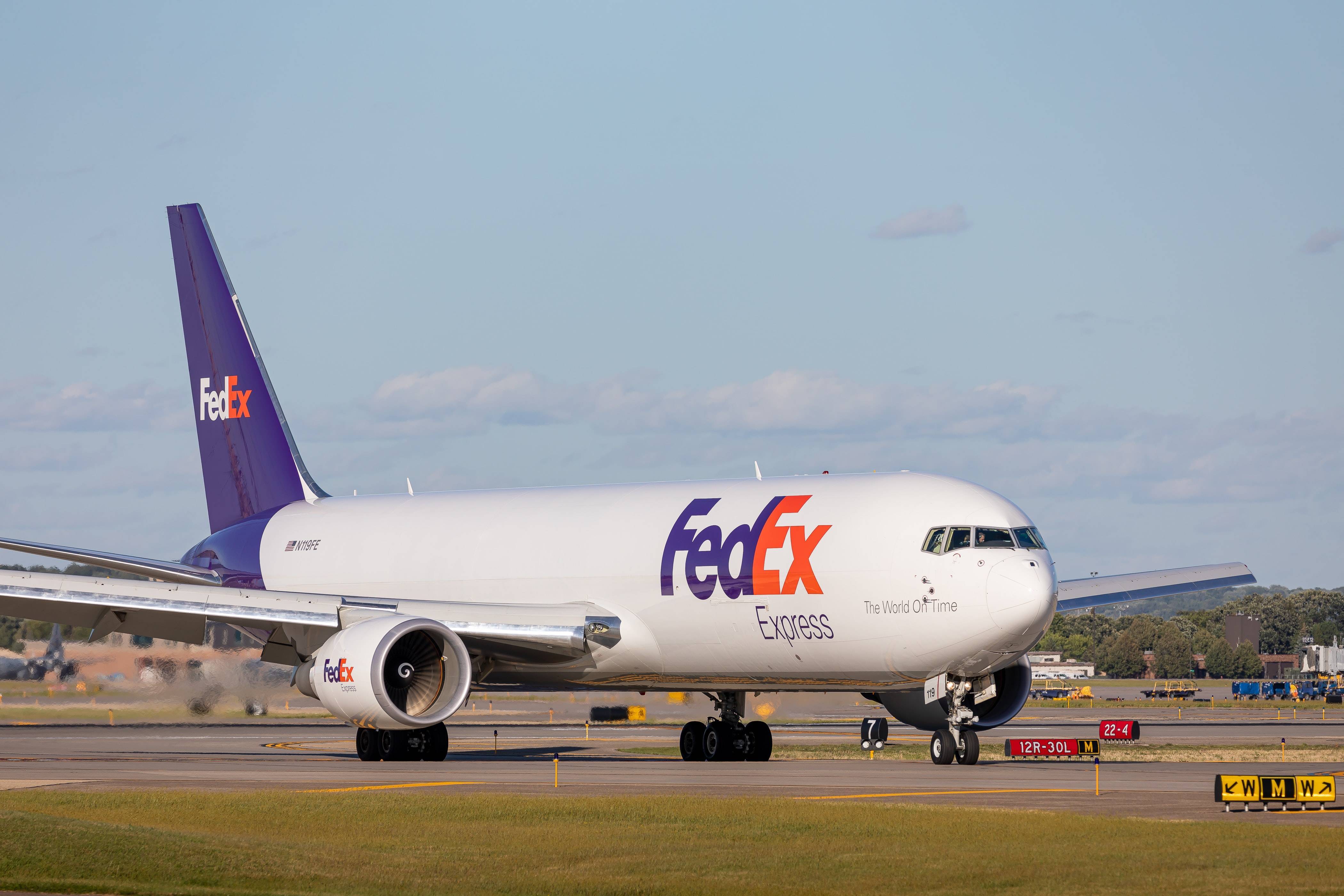
Air freight is often the best option when shipping time-sensitive and high-value items like batteries. Shipping by air provides faster delivery, ensuring that the goods arrive in a timely manner. Air freight is particularly advantageous for batteries because it offers controlled environments, reducing the risk of damage during transit. Furthermore, air freight services allow for a more secure transport route, reducing the likelihood of theft or loss.
For countries like Germany, which have strict import regulations for hazardous goods, air freight is often the preferred choice due to its adherence to international safety standards. Shipping batteries by air allows for more efficient tracking and monitoring, ensuring your products reach their destination in the best possible condition.
Regulatory Considerations for Shipping Batteries to Germany
Before shipping batteries via air to Germany, it is important to familiarize yourself with the specific regulations that apply. Lithium-ion batteries, commonly used in electronic devices, are considered dangerous goods due to their potential to overheat or catch fire. Consequently, there are stringent rules that must be followed to ensure safe shipping.
In general, batteries are classified as dangerous goods by the International Air Transport Association (IATA) and must be packed and labeled according to their specific category. There are several types of batteries, including:
1. Lithium-ion Batteries: These are commonly used in smartphones, laptops, and electric vehicles. They are subject to stricter regulations because of the risk of fire or explosion if damaged or improperly handled.
2. Non-lithium Batteries: These batteries, such as alkaline or lead-acid batteries, also have specific packing and handling requirements but tend to be less restrictive than lithium-based batteries.
To comply with German regulations, you must ensure that your shipment is properly declared as dangerous goods. This includes providing the necessary documentation, such as the dangerous goods declaration, and following the IATA guidelines for labeling and packaging. It's also essential to work with carriers who specialize in dangerous goods transportation, as they will have the knowledge and experience to ensure compliance with international laws.
Packaging and Labeling for Air Freight
Proper packaging is essential when shipping batteries by air. Batteries must be securely packed to prevent movement and protect them from physical damage during transit. The packaging should also be fireproof, especially for lithium-ion batteries, to minimize the risk of overheating or fires. Additionally, special battery terminals should be covered to prevent short-circuiting.
In terms of labeling, each package containing batteries must display the appropriate dangerous goods labels. This may include a "Lithium Battery" handling label, along with cautionary symbols that indicate the potential risks associated with the shipment. These labels are important for ensuring that airline staff and customs officers are aware of the contents and can handle the shipment accordingly.
Choosing the Right Carrier for Air Freight to Germany
Selecting the right carrier is crucial for ensuring the safe and efficient transportation of batteries. Not all air freight carriers are equipped to handle dangerous goods like batteries, so it is important to choose a service provider that specializes in this area. Major international carriers such as DHL, FedEx, and UPS offer air freight services for batteries, and they have the necessary infrastructure to meet IATA regulations and ensure safe delivery to Germany.
When choosing a carrier, consider the following factors:
- Experience with Dangerous Goods: Ensure the carrier is familiar with the handling requirements for batteries and dangerous goods. They should be able to provide documentation and guidance to ensure your shipment complies with all regulations.
- Speed and Reliability: Air freight is ideal for fast delivery, but different carriers may offer varying delivery times. Choose a carrier with a proven track record of punctuality and reliability.
- Insurance: Shipping valuable items like batteries may require additional insurance. Check with the carrier to ensure that your shipment is covered in case of loss or damage.
Customs and Import Procedures in Germany
Once your batteries arrive in Germany, they will go through customs clearance. To avoid delays and ensure smooth entry, it's essential to have all the necessary documentation in place. This may include:
- Import License: Depending on the type of battery and the volume being shipped, you may need an import license to bring the goods into Germany.
- Customs Declaration: All shipments must be declared to German customs with detailed descriptions of the items being shipped.
- VAT and Customs Duties: Be aware of any applicable customs duties and VAT that may be due upon arrival. Ensure that you factor these costs into your shipping budget.
Conclusion
Shipping batteries by air to Germany can be a fast and efficient way to ensure that your products arrive safely and on time. However, it's crucial to understand the regulations, packaging requirements, and the importance of choosing the right carrier. By adhering to international safety standards and working with a knowledgeable carrier, you can ensure that your battery shipment complies with all regulations and reaches Germany in perfect condition.
With the right approach, air freight can be the most reliable and efficient way to transport batteries internationally, offering peace of mind and fast delivery for both businesses and consumers.

Adhering to the business philosophy of "customer-centric" honesty first, pragmatic innovation", we focus on providing customers with "professional, safe, efficient and economical" international logistics services, and strive to become the first choice in the minds of customers.
ADDRESS: 101 Qinghui International, No. 160 Qisha Ferry Road, Shatian Town, Dongguan City, Guangdong Province
CONTACT NUMBER: 13620081619 / 18680404400
CONTACT PERSON: Shelly / Alan
E-mail: shelly@qhgj56.com
alan@qhgj56.com
Copyright © 2025 QH INTERNATIONAL LOGISTICS LIMITED