
Battery to UK sea freight service
- Time of issue:2025-09-11
Battery to UK sea freight service
- Time of issue:2025-09-11
When shipping goods internationally, one of the most common and cost-effective methods is sea freight. For businesses that need to transport products like batteries to the UK, sea freight offers an affordable and reliable option. Understanding the best practices for shipping, regulations, and selecting the right service can make the entire process smoother and more efficient. This article will delve into the key considerations for using sea freight services for shipping batteries to the UK, the benefits of this service, and tips for a successful shipment.
Why Choose Sea Freight for Battery Shipments?
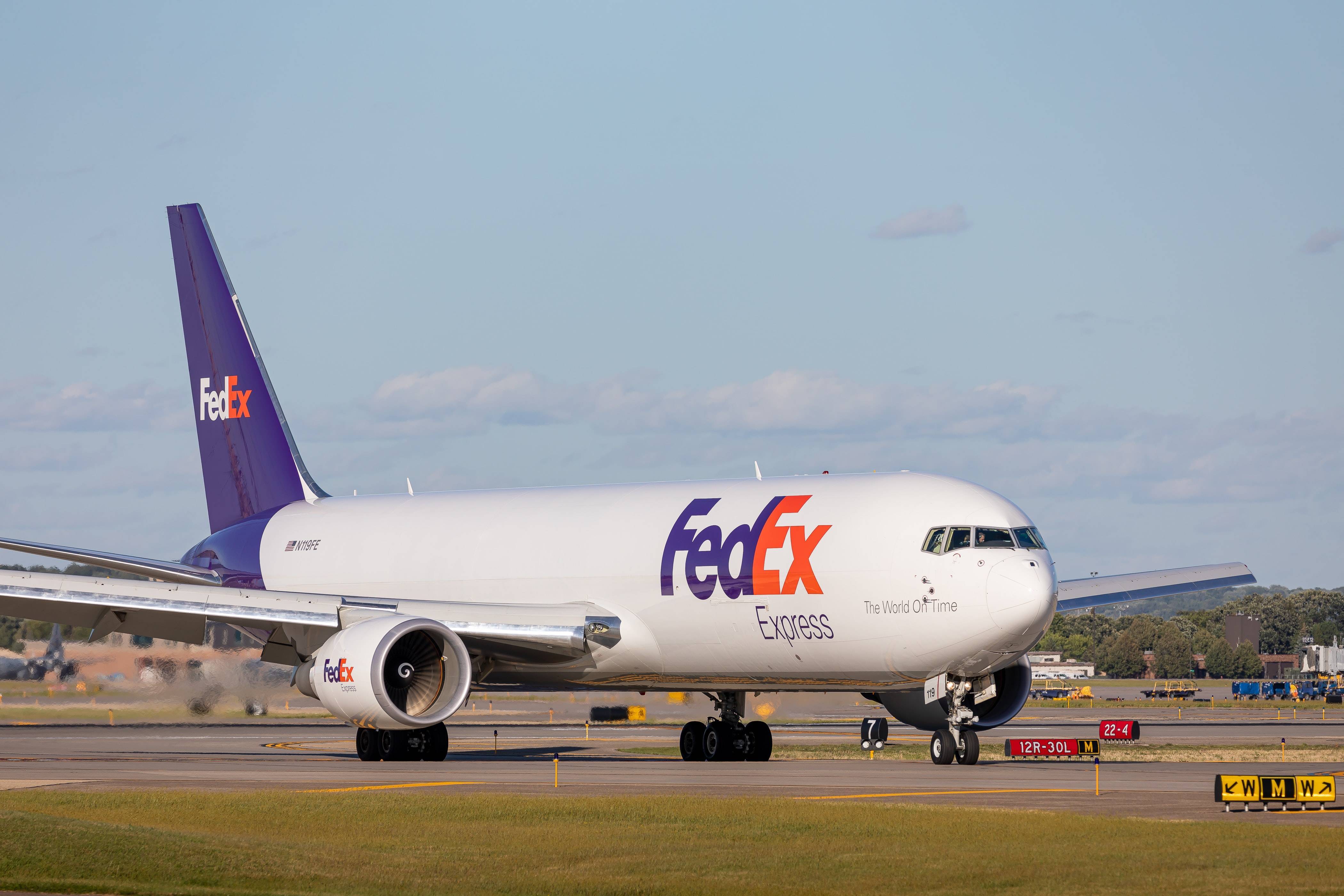
When it comes to shipping large quantities of goods or heavy items such as batteries, sea freight offers several benefits. While air freight may be faster, it is also significantly more expensive, especially for bulky or heavy shipments. Sea freight, on the other hand, allows businesses to ship large volumes at a much lower cost.
Another reason businesses choose sea freight is the capacity and flexibility it provides. Shipping containers can accommodate various types of cargo, including batteries. However, when shipping batteries, it’s essential to be aware of specific regulations due to their potential safety hazards.
Key Considerations for Shipping Batteries via Sea Freight
1. Battery Regulations and Safety Standards
Batteries, especially lithium-ion batteries, pose a safety risk during transit due to their volatile nature. Lithium-based batteries are classified as dangerous goods, which require special handling. The International Maritime Dangerous Goods (IMDG) Code governs the transportation of such goods, ensuring safety throughout the shipping process.
Customs regulations in both the country of origin and the destination (the UK in this case) must be strictly adhered to. Depending on the type of battery, packaging requirements, labeling, and documentation may vary. For example, lithium batteries must be packed with UN 3480 or UN 3481 labels, and special packaging is required to prevent short-circuiting or damage.
2. Choosing the Right Freight Service
There are various types of sea freight services available for businesses looking to ship batteries to the UK, including full container load (FCL) and less than container load (LCL) options.
- FCL (Full Container Load): This option is ideal for businesses that need to ship large quantities of batteries or other products. With FCL, the entire shipping container is dedicated to the shipment, which typically results in lower per-unit shipping costs.
- LCL (Less Than Container Load): If your shipment is smaller or if you want to share container space with other shipments, LCL can be a more cost-effective choice. However, you may experience longer transit times as the container must be loaded and unloaded with goods from other businesses.
3. Delivery Times and Transit Duration
Sea freight is generally slower than air freight, with transit times typically ranging from 10 to 30 days depending on the specific route, weather conditions, and port congestion. For businesses that have flexibility in their shipping schedules and are looking to save costs, sea freight is an ideal solution.
However, when shipping batteries, especially to the UK, it’s important to plan ahead due to possible delays caused by regulatory inspections or additional safety checks at customs. Always work with a reputable freight forwarder who can help navigate these potential challenges and give accurate timeframes.
4. Packaging and Labeling
Proper packaging and labeling are crucial when shipping batteries internationally. Batteries must be packed in compliance with safety standards to avoid risks such as leaks or short circuits. The packaging should include adequate cushioning to prevent movement inside the container, and the correct labels must be affixed clearly visible to the carrier and customs officials.
Most importantly, batteries should be transported in a manner that isolates them from other items to prevent damage. This includes using UN-approved containers for dangerous goods. It’s vital to ensure that your shipping company or freight forwarder has experience handling battery shipments to avoid potential problems.
5. Selecting the Right Freight Forwarder
Choosing the right freight forwarder is a crucial step in ensuring that your battery shipment is handled professionally and efficiently. Look for a company that has experience in handling dangerous goods like batteries and has a thorough understanding of the IMDG Code. A good freight forwarder will guide you through the complex process of paperwork, safety regulations, and the best options for shipping to the UK.
6. Costs and Pricing
The cost of shipping batteries to the UK will depend on a variety of factors, including the size and weight of the shipment, the type of service chosen, and the specific route taken. While sea freight is typically more affordable than air freight, the cost of battery shipment will be higher than general cargo due to the additional safety measures involved.
It’s important to obtain quotes from multiple freight companies to compare pricing and ensure that you’re getting the best value for your specific needs. Keep in mind that sometimes the lowest price doesn’t always offer the best service or meet all the required regulations.
Conclusion
Shipping batteries to the UK by sea freight offers numerous advantages for businesses looking to transport large quantities of goods at affordable rates. However, given the specific regulations, safety considerations, and potential customs requirements, it’s crucial to understand the complexities of this process.
By partnering with an experienced freight forwarder, ensuring proper packaging and labeling, and choosing the right service for your shipment, you can streamline the process and avoid any costly mistakes. Always remember that safety and compliance are paramount when shipping batteries, and planning ahead can help ensure that your shipment arrives safely and on time.

Adhering to the business philosophy of "customer-centric" honesty first, pragmatic innovation", we focus on providing customers with "professional, safe, efficient and economical" international logistics services, and strive to become the first choice in the minds of customers.
ADDRESS: 101 Qinghui International, No. 160 Qisha Ferry Road, Shatian Town, Dongguan City, Guangdong Province
CONTACT NUMBER: 13620081619 / 18680404400
CONTACT PERSON: Shelly / Alan
E-mail: shelly@qhgj56.com
alan@qhgj56.com
Copyright © 2025 QH INTERNATIONAL LOGISTICS LIMITED