Air freight of batteries to Canada, including taxes, to the door
- Time of issue:2025-09-07
Air freight of batteries to Canada, including taxes, to the door
- Time of issue:2025-09-07
When shipping batteries by air freight to Canada, it’s essential to consider various factors that can affect the overall cost, time, and compliance with international regulations. This process is often more complex than standard shipments due to the hazardous nature of batteries, and these complexities are compounded by taxes, import duties, and delivery charges. In this article, we’ll break down the steps and costs involved in air freight of batteries to Canada, including how to manage taxes, import duties, and ensure safe and timely delivery.
The Complexity of Air Freight for Batteries
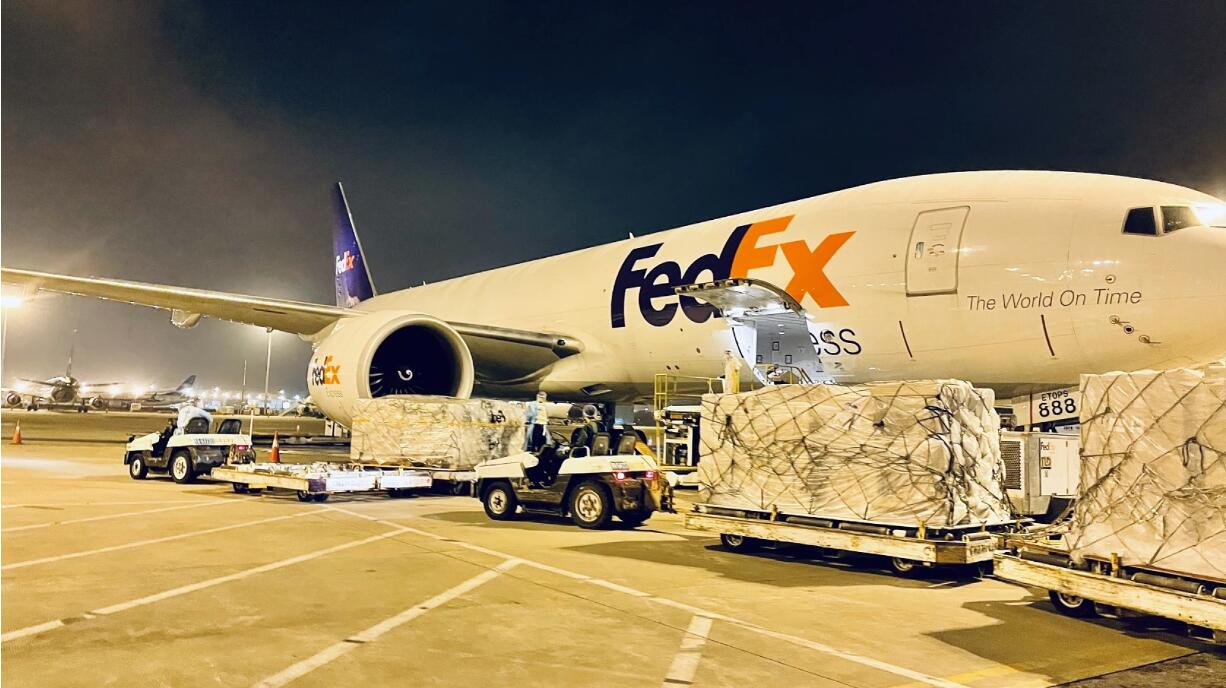
Batteries, especially lithium-ion types, are classified as dangerous goods due to their potential fire risk. Consequently, air freight of batteries requires adherence to specific regulations set by global transportation bodies like the International Air Transport Association (IATA). Canada follows these strict guidelines, which means that both the shipper and recipient must ensure proper packaging and documentation to avoid delays or potential fines.
Packaging and Labeling
The first step in shipping batteries via air freight to Canada is proper packaging. Batteries must be placed in strong, protective packaging to prevent short circuits, which could lead to dangerous situations during transit. Depending on the battery type, the packaging may also need to include specific labels indicating that the shipment contains dangerous goods. This could include a "Dangerous Goods Declaration" to be filled out by the shipper, especially for lithium-ion and lithium metal batteries.
Importantly, most airlines have restrictions on how many batteries can be shipped in one consignment, so it's crucial to consult with your logistics provider to ensure that the shipment meets all necessary requirements. Failure to comply with these regulations can lead to shipment delays or the refusal of the goods at customs.
Taxes and Duties When Shipping Batteries to Canada
When importing goods into Canada, including batteries, it is essential to be aware of the taxes and duties that may apply. The main tax imposed on imports is the Goods and Services Tax (GST), which is set at 5% of the goods’ value. In addition to the GST, customs duties may apply depending on the type of battery being imported, the value of the goods, and the country of origin.
Canada also has various trade agreements that may affect the import duties, such as the Canada-United States-Mexico Agreement (CUSMA), which may reduce or eliminate duties on certain products from the U.S. However, if you’re importing from another country, different rates might apply.
It’s also important to note that Canada’s customs authorities may levy additional fees for administrative processing, which can add up quickly and affect the total shipping cost. These fees may include customs brokerage fees for processing the goods through customs and ensuring they meet Canadian standards.
Tax Calculation Example
If you’re shipping $1,000 worth of batteries, here’s how the tax might look:
- GST: $1,000 5% = $50
- Customs Duties: If applicable, depending on the specific battery type, duties may be charged (e.g., 6.1% for certain types of batteries).
- Brokerage Fees: These can range from $20 to $100 or more depending on the complexity of the shipment.
As a result, taxes and fees should be factored into your overall shipping budget, as they can significantly impact the cost of importing batteries to Canada.
Door-to-Door Delivery and Final Considerations
Once the shipment clears customs, the next stage is delivery to the final destination. Many air freight providers offer door-to-door service, which means they handle all aspects of the shipment, from pick-up at the sender’s location to final delivery to the recipient in Canada. This can be a highly convenient option, particularly when shipping hazardous items like batteries, which require specialized handling.
However, it’s important to be aware that the cost of door-to-door delivery may be higher than standard shipping due to the additional logistics involved. The provider will take care of local customs clearance, final-mile delivery, and any other paperwork required to ensure smooth delivery.
Before choosing a door-to-door shipping option, ensure that your air freight provider is well-versed in handling hazardous goods like batteries. A reliable provider will ensure that all paperwork is correctly filed, customs is cleared smoothly, and the batteries arrive safely at your doorstep.
Final Thoughts on Air Freight of Batteries to Canada
In conclusion, shipping batteries by air freight to Canada involves a series of steps, each with its own set of challenges and costs. From the proper packaging and labeling of dangerous goods to managing taxes and duties, each aspect plays a crucial role in ensuring a safe and cost-effective shipment. Air freight offers speed, but it comes with a higher cost, especially when factoring in the additional requirements for batteries and the potential import taxes.
By carefully selecting a reliable logistics provider who understands the regulations and the complexities of battery shipments, you can ensure that your shipment reaches Canada efficiently and without complications. Always plan ahead for the additional taxes and duties involved, and be mindful of the safety protocols that need to be followed when shipping hazardous goods.
If you're looking for a smooth, door-to-door air freight experience, it's advisable to partner with a freight forwarder who can handle both the technicalities of hazardous goods and the administrative work involved with taxes and customs duties.

Adhering to the business philosophy of "customer-centric" honesty first, pragmatic innovation", we focus on providing customers with "professional, safe, efficient and economical" international logistics services, and strive to become the first choice in the minds of customers.
ADDRESS: 101 Qinghui International, No. 160 Qisha Ferry Road, Shatian Town, Dongguan City, Guangdong Province
CONTACT NUMBER: 13620081619 / 18680404400
CONTACT PERSON: Shelly / Alan
E-mail: shelly@qhgj56.com
alan@qhgj56.com
Copyright © 2025 QH INTERNATIONAL LOGISTICS LIMITED