

Sea freight service for batteries to the United States
- Time of issue:2025-09-05
Sea freight service for batteries to the United States
- Time of issue:2025-09-05
When shipping batteries to the United States via sea freight, it’s essential to understand both the logistics challenges and the regulatory requirements involved. With the increasing demand for lithium-ion batteries used in consumer electronics, electric vehicles, and renewable energy storage, shipping these batteries safely and efficiently across borders has become a critical concern for businesses worldwide. This article explores key factors related to sea freight services for batteries, from regulations to choosing the right shipping partners.
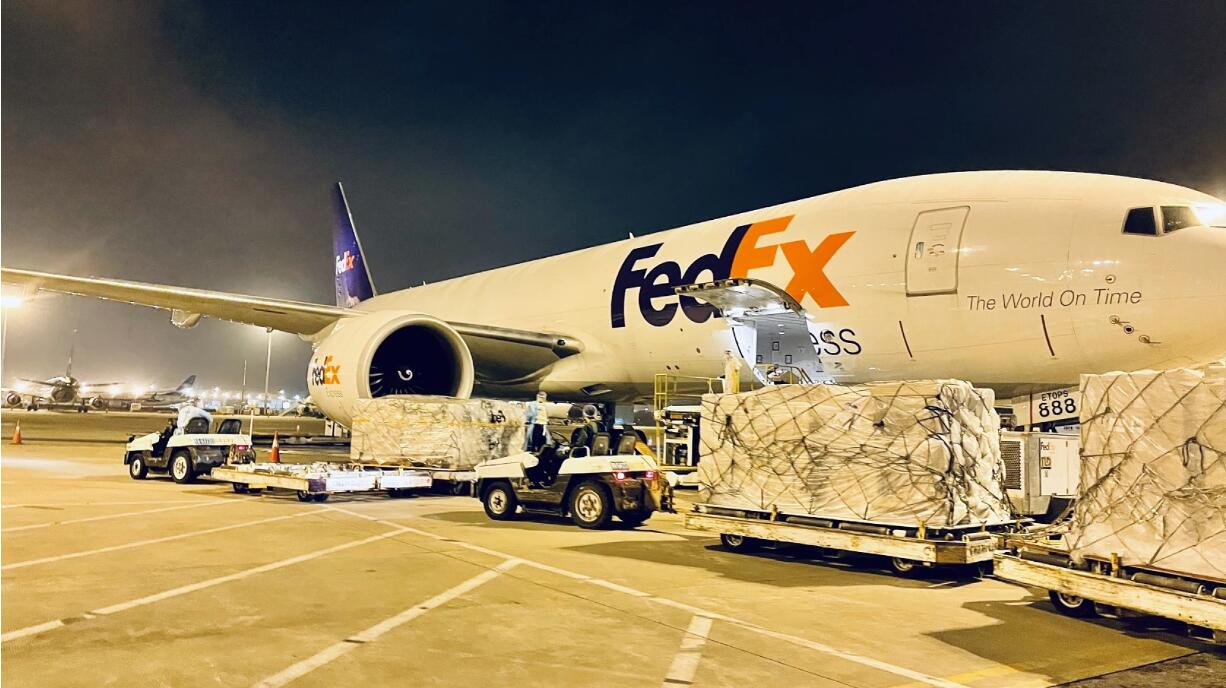
1. Understanding the Importance of Sea Freight for Batteries
Sea freight is one of the most cost-effective and reliable methods for transporting batteries over long distances, including from manufacturing hubs in Asia to the United States. While air freight may be faster, sea freight offers substantial savings, especially for bulk shipments. However, the unique nature of batteries—particularly lithium-ion and other hazardous materials—presents specific logistical challenges.
Lithium-ion batteries, in particular, are considered hazardous goods due to their potential to overheat, catch fire, or cause other safety issues during transport. As a result, it’s critical to comply with the International Maritime Dangerous Goods (IMDG) code, which governs the transport of dangerous goods by sea.
2. Navigating International Regulations for Battery Shipments
Shipping batteries to the United States via sea freight requires a thorough understanding of international regulations. The IMDG Code outlines safety guidelines for transporting hazardous goods by sea. In the case of lithium-ion batteries, these regulations include specific packaging, labeling, and documentation requirements. Some of the key aspects to consider include:
- Proper Packaging: Batteries must be packed in a way that minimizes the risk of short circuits, damage, and leakage. Specialized battery containers or boxes with insulated padding are often required.
- Labeling: Each battery package must display appropriate labels, such as the UN number (usually UN3480 or UN3481 for lithium batteries) and a hazardous materials label.
- Documentation: A dangerous goods declaration is required for shipments of hazardous materials, including batteries. The declaration should be completed accurately to avoid delays or penalties during customs clearance.
Failure to comply with these regulations can lead to significant delays, fines, or even the rejection of your shipment.
3. Selecting the Right Sea Freight Service Provider
When choosing a sea freight provider for shipping batteries, it’s important to select a logistics company with expertise in handling hazardous materials. A reliable freight forwarder will ensure that all safety protocols are followed, and that the shipment adheres to both domestic and international shipping standards.
Look for a provider that offers the following:
- Expertise in Hazardous Cargo: Experienced freight forwarders will be familiar with the specific handling and transportation requirements for batteries and other hazardous goods.
- Compliance with Regulations: The right service provider will be well-versed in IMDG codes and other international regulations to ensure the safe and legal transport of your goods.
- Track Record of Safe Delivery: Safety should be your top priority when selecting a provider. A company with a proven track record of safely delivering hazardous goods will be better equipped to handle your battery shipments.
Additionally, consider whether your chosen provider offers tracking and insurance services, which can provide peace of mind and help mitigate any unforeseen risks.
4. The Challenges of Shipping Batteries by Sea
While sea freight is generally more affordable, there are still a few challenges associated with transporting batteries by sea. Here are some potential issues to keep in mind:
- Delays Due to Port Regulations: The United States has stringent rules around importing hazardous materials, and battery shipments can face delays at ports if documentation is incomplete or improperly filed.
- Risk of Battery Damage: Even small damages to a battery can compromise its safety during transport, potentially causing fire hazards. It’s crucial to package the batteries carefully and follow all safety guidelines to minimize these risks.
- Longer Transit Times: Compared to air freight, sea freight typically has longer transit times. Businesses must plan ahead to ensure that their battery shipments arrive on time without negatively impacting their production schedules.
5. Cost Considerations for Shipping Batteries via Sea Freight
Shipping costs for batteries by sea depend on various factors, including:
- Weight and Volume: Sea freight charges are often based on the weight and volume of the cargo. Batteries, especially bulk shipments, can add up in terms of volume, so it's important to factor in these costs when planning your shipment.
- Shipping Route: The cost of shipping will vary depending on the origin and destination ports, as well as the shipping route selected.
- Hazardous Materials Surcharge: Since lithium-ion batteries are considered hazardous materials, there may be an additional surcharge associated with their transportation. This charge covers the cost of additional safety measures, such as special packaging and handling.
6. Best Practices for Shipping Batteries Safely
To ensure a smooth and safe journey for your battery shipment, follow these best practices:
- Consult with Experts: Work closely with a freight forwarder or logistics partner who is familiar with shipping hazardous goods, specifically batteries. They can help you navigate the complexities of compliance and ensure your shipment is properly handled.
- Ensure Proper Packaging: As mentioned earlier, using appropriate packaging for batteries is crucial for safe transport. Insulated containers, seals, and shock-absorbing materials can help prevent damage and reduce the risk of fires.
- Documentation and Labeling: Double-check that your shipment is correctly labeled with all necessary dangerous goods declarations and shipping papers. This documentation is required for customs clearance and safe handling during transit.
Conclusion
Shipping batteries to the United States by sea is an effective and economical solution for many businesses, but it requires careful planning, adherence to regulations, and expert handling. By working with the right logistics partners and following best practices for packaging, labeling, and documentation, you can ensure your battery shipments arrive safely and on time. As the demand for energy storage and electric vehicles continues to grow, mastering the intricacies of sea freight for batteries will be a key advantage for businesses seeking to expand their global reach.

Adhering to the business philosophy of "customer-centric" honesty first, pragmatic innovation", we focus on providing customers with "professional, safe, efficient and economical" international logistics services, and strive to become the first choice in the minds of customers.
ADDRESS: 101 Qinghui International, No. 160 Qisha Ferry Road, Shatian Town, Dongguan City, Guangdong Province
CONTACT NUMBER: 13620081619 / 18680404400
CONTACT PERSON: Shelly / Alan
E-mail: shelly@qhgj56.com
alan@qhgj56.com
Copyright © 2025 QH INTERNATIONAL LOGISTICS LIMITED