
Shipping batteries to the United States by sea, including taxes, to the door
- Time of issue:2025-09-05
Shipping batteries to the United States by sea, including taxes, to the door
- Time of issue:2025-09-05
Shipping Batteries to the United States by Sea: A Comprehensive Guide, Including Taxes and Door-to-Door Delivery
Shipping goods internationally can be a complex task, especially when it comes to shipping hazardous materials like batteries. Shipping batteries to the United States by sea involves adhering to strict regulations, understanding shipping costs, managing taxes, and ensuring safe delivery to the door. Whether you are a business looking to import batteries or an individual shipping a few items, knowing the procedures can save you both time and money. This guide will walk you through the necessary steps involved in shipping batteries to the United States, including an overview of taxes, customs procedures, and the importance of reliable door-to-door delivery services.
1. Understanding the Regulations for Shipping Batteries
Batteries are classified as hazardous materials due to their potential to catch fire or explode if mishandled. For international shipments, it is crucial to comply with the International Maritime Dangerous Goods (IMDG) code, which sets the standards for shipping dangerous goods by sea. Batteries, especially lithium-ion batteries, are subject to special handling and packaging requirements to minimize risks during transit.
Depending on the type of battery being shipped—lithium-ion, lithium-metal, or alkaline—the shipping requirements can vary. For instance, lithium-ion batteries, commonly found in electronics, are more strictly regulated due to their potential hazards. Ensure that the batteries are properly packaged and labeled, and that the shipment declaration clearly specifies the type of battery being shipped.
2. Choosing the Right Shipping Carrier
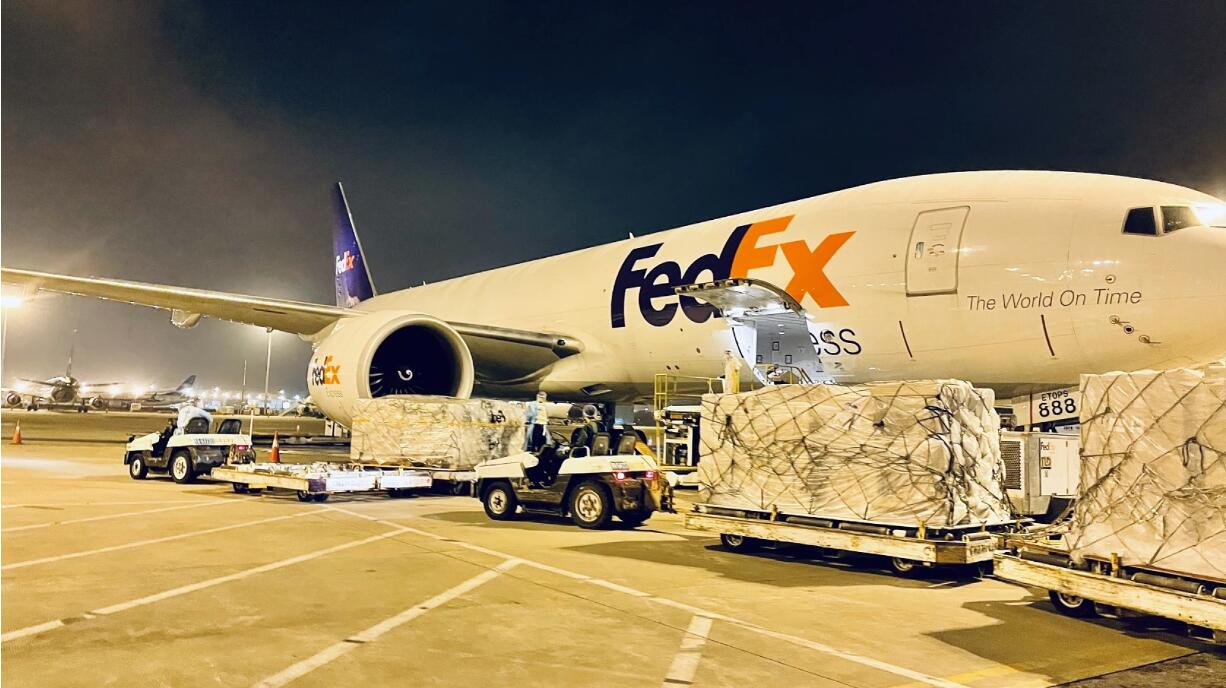
When shipping batteries to the United States, you’ll need to choose a reliable international carrier. Many shipping companies specialize in handling hazardous materials, and they will ensure that your shipment complies with all necessary regulations. Major carriers like DHL, FedEx, and UPS offer international shipping services for hazardous goods, including batteries.
It’s important to communicate clearly with the carrier about the type of battery you’re shipping to ensure that it is categorized correctly. A shipping company with expertise in battery shipments can help streamline the process, ensuring that the batteries reach the United States safely and without unnecessary delays.
3. Taxes and Customs Regulations in the United States
One of the most important aspects of shipping internationally is understanding taxes and customs regulations. In the United States, goods entering the country are subject to import duties and taxes, which are determined based on the value, type, and origin of the goods.
For batteries, the tax rate can vary depending on the material and country of origin. The U.S. Customs and Border Protection (CBP) enforces the payment of these taxes. As a shipper, you will need to accurately declare the value of the batteries, provide a detailed invoice, and ensure that the correct harmonized tariff code is applied to your shipment.
In addition to taxes, you may also encounter specific import restrictions for certain types of batteries. For example, lithium batteries often face additional restrictions because they are considered hazardous. It is advisable to work with a customs broker to ensure all regulations are met and that your shipment clears customs without issues.
4. Shipping Costs and Timeframes
Shipping batteries by sea is generally more economical compared to air freight, but the delivery time will be longer. Sea freight is typically the most cost-effective option for larger shipments of batteries, but it can take several weeks or even months for the goods to reach the United States, depending on the port of origin and the destination.
Shipping costs are determined by factors such as:
- Weight and volume: Heavier and bulkier shipments will incur higher costs.
- Destination port: Costs can vary depending on the port you are shipping to within the United States.
- Service type: Standard shipping is cheaper, but expedited services can increase the cost significantly.
For smaller shipments, air freight might be a better option despite the higher cost, as it can deliver goods much faster, typically within a few days.
5. Door-to-Door Delivery Services
While sea freight is economical, it often requires additional arrangements to get the goods from the port to the final destination. Door-to-door delivery services streamline this process by handling both the transportation from the port to the recipient’s address and any customs clearance procedures. These services can save you time and ensure that your shipment arrives at its destination without issues.
It is highly recommended to choose a shipping service that offers door-to-door delivery when shipping batteries. This service simplifies the logistics and ensures that your shipment is handled professionally throughout the entire journey. Additionally, it can help you track the shipment in real-time, providing peace of mind knowing exactly where your batteries are during the transit process.
6. Ensuring Safe Packaging and Handling
Proper packaging is essential when shipping batteries internationally. Not only is it required by law, but it also ensures that the batteries are transported safely. Batteries should be packed in non-conductive materials, such as bubble wrap or foam, to prevent short circuits. The packaging must also be labeled clearly with hazard warnings and handling instructions.
Most shipping carriers provide specific guidelines on how to pack batteries for international transport. It is important to follow these guidelines precisely to prevent delays, fines, or even damage to the goods.
Conclusion
Shipping batteries to the United States by sea involves careful planning and compliance with regulations. From understanding the regulations around hazardous materials to navigating customs procedures and taxes, every step of the process must be handled with attention to detail. By selecting a reliable carrier, ensuring proper packaging, and opting for door-to-door delivery, you can streamline the shipping process and avoid costly mistakes. Understanding these key factors will help you successfully ship batteries to the United States with minimal hassle.

Adhering to the business philosophy of "customer-centric" honesty first, pragmatic innovation", we focus on providing customers with "professional, safe, efficient and economical" international logistics services, and strive to become the first choice in the minds of customers.
ADDRESS: 101 Qinghui International, No. 160 Qisha Ferry Road, Shatian Town, Dongguan City, Guangdong Province
CONTACT NUMBER: 13620081619 / 18680404400
CONTACT PERSON: Shelly / Alan
E-mail: shelly@qhgj56.com
alan@qhgj56.com
Copyright © 2025 QH INTERNATIONAL LOGISTICS LIMITED