

Precautions for Air Freight of Batteries to the United States
- Time of issue:2025-09-05
Precautions for Air Freight of Batteries to the United States
- Time of issue:2025-09-05
Shipping batteries by air is a critical aspect of international logistics, especially when it comes to the United States. The handling of air freight for batteries, particularly lithium-ion batteries, requires careful attention to safety regulations, packaging, labeling, and proper documentation. With increasing restrictions imposed by aviation authorities, it’s crucial to stay up-to-date on the rules for shipping these potentially hazardous materials. This article highlights the precautions that shippers should take when air-freighting batteries to the United States.
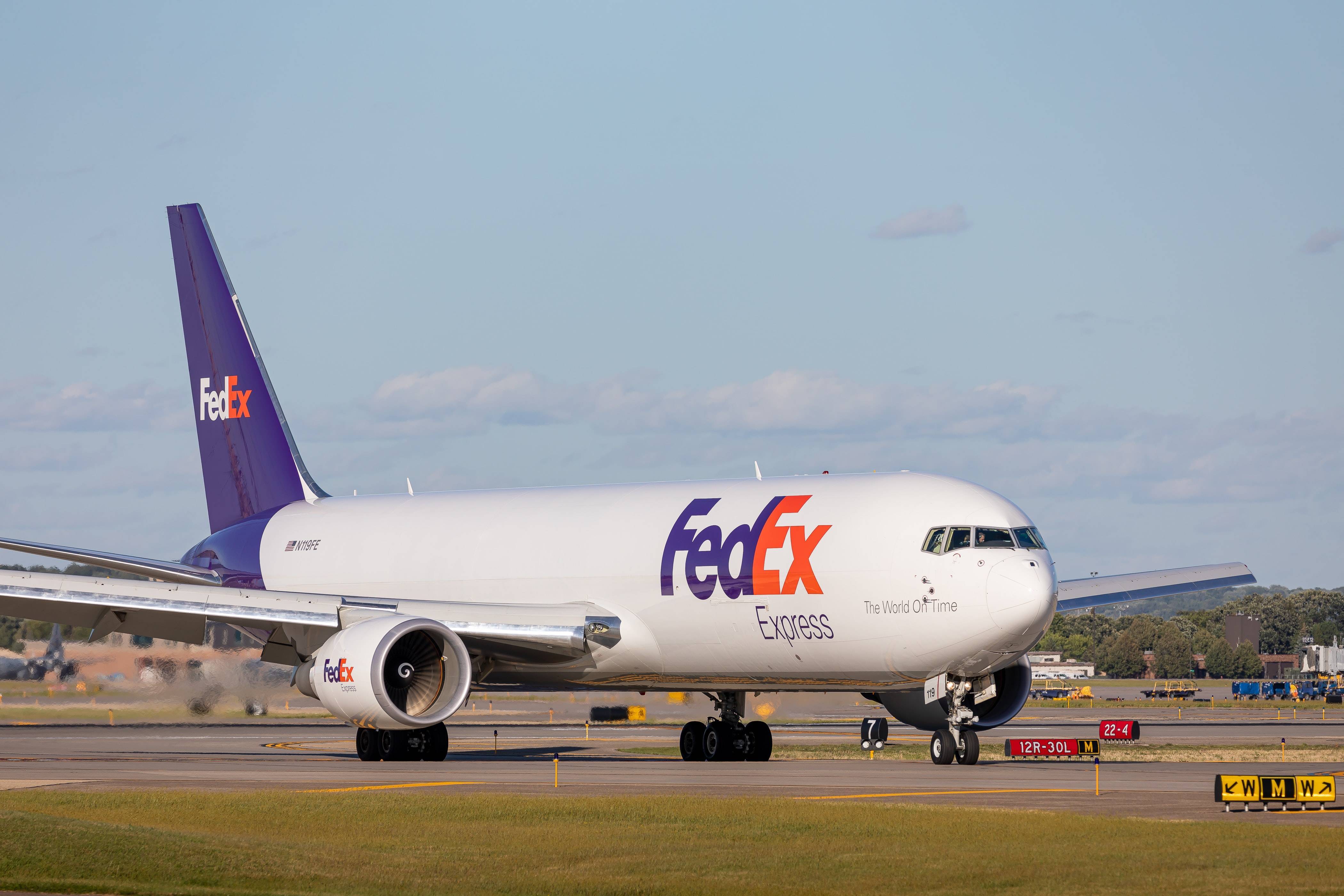
Understanding the Risks
Batteries, particularly lithium-based ones, are classified as dangerous goods due to their potential to catch fire or explode. Lithium-ion and lithium metal batteries are highly reactive and can pose severe risks if not handled properly. Factors like overcharging, physical damage, or exposure to high temperatures can trigger chemical reactions inside the battery, leading to a fire or explosion. Given these dangers, aviation authorities around the world, including the Federal Aviation Administration (FAA), have set stringent rules for their transport.
Regulatory Compliance
One of the most important steps in air-freighting batteries to the U.S. is to ensure compliance with regulations. In the United States, the FAA and the Department of Transportation (DOT) govern the shipping of hazardous materials, including batteries. These regulations are aligned with the International Civil Aviation Organization (ICAO) and International Air Transport Association (IATA) standards, which further define the shipping criteria for lithium batteries.
- Lithium-Ion Batteries: These must be shipped under specific conditions, such as when their state of charge (SOC) is below a certain percentage (usually 30% or less) to reduce the risk of fire.
- Lithium Metal Batteries: These are even more strictly regulated and require special handling, such as specific packaging, labeling, and documentation to ensure safe transportation.
Shippers should familiarize themselves with the IATA Dangerous Goods Regulations (DGR), as failure to comply with these can result in fines, delays, or confiscation of the goods.
Proper Packaging
The packaging of batteries is one of the most crucial factors in ensuring their safe transport. Air cargo carriers have strict guidelines regarding packaging, which includes:
- Non-conductive materials: Batteries should be packaged in a way that prevents short circuits. This can be achieved by covering terminals with non-conductive materials, such as tape or protective covers.
- Cushioning: Batteries must be securely cushioned within their packaging to prevent movement during transit. This reduces the risk of damage and short circuits.
- Sealed packaging: Packaging should be airtight and resistant to environmental factors such as moisture, which could compromise the safety of the batteries during flight.
For large shipments, cargo containers must be used that are designed specifically for hazardous materials. The packaging must be robust enough to withstand the conditions of air freight without breaking down or allowing the batteries to become exposed to risk.
Correct Labeling and Documentation
Another essential precaution is the correct labeling and documentation for the shipment. The IATA and FAA require specific labels and markings to indicate that the shipment contains lithium batteries. These include:
- “Lithium Ion Battery” or “Lithium Metal Battery” labels: These must be clearly visible on the outer packaging.
- Handling Labels: The packaging must also include a handling label that indicates whether the package must be kept upright, or if the contents are particularly dangerous (e.g., “Keep away from heat” or “Do not expose to moisture”).
- Documentation: A Declaration of Dangerous Goods (DGD) form is often required for air shipments of lithium batteries, particularly if they are transported as cargo rather than personal items.
Accurate documentation ensures that the batteries are safely handled throughout the supply chain, from the moment they leave the seller’s warehouse to when they reach the recipient in the U.S.
Understanding Shipping Limitations
When shipping batteries by air to the United States, there are several limitations that shippers must be aware of. The IATA Dangerous Goods Regulations specify certain restrictions based on the size and quantity of the shipment:
1. Quantity limits: Depending on the battery type, there are restrictions on how many batteries can be shipped together in one package or on a single flight.
2. Airline-specific rules: Different airlines may have varying restrictions on the size, type, or quantity of batteries they will accept for air transport. Therefore, it's crucial to confirm these details before shipment.
Some airlines may also have specific requirements related to cargo aircraft or passenger aircraft, with tighter restrictions on the latter.
Final Checklist Before Shipping
To ensure a smooth air freight process, shippers should follow this final checklist before sending their battery shipments to the U.S.:
1. Verify the battery type and ensure compliance with IATA and FAA regulations.
2. Ensure correct packaging to prevent short circuits and protect against physical damage.
3. Affix proper labels and markings to the packaging.
4. Complete all required documentation, including the Declaration of Dangerous Goods (DGD).
5. Confirm airline-specific requirements to avoid delays or rejections.
Conclusion
Air freight of batteries to the United States involves a detailed understanding of the regulatory landscape and strict adherence to safety protocols. By following the precautions outlined above, shippers can ensure that their shipments are transported safely and in compliance with regulations. Proper packaging, accurate labeling, and adherence to documentation requirements are all essential in preventing dangerous incidents during transit. By staying informed and following these guidelines, businesses can continue to ship batteries safely while minimizing risks and delays in the supply chain.

Adhering to the business philosophy of "customer-centric" honesty first, pragmatic innovation", we focus on providing customers with "professional, safe, efficient and economical" international logistics services, and strive to become the first choice in the minds of customers.
ADDRESS: 101 Qinghui International, No. 160 Qisha Ferry Road, Shatian Town, Dongguan City, Guangdong Province
CONTACT NUMBER: 13620081619 / 18680404400
CONTACT PERSON: Shelly / Alan
E-mail: shelly@qhgj56.com
alan@qhgj56.com
Copyright © 2025 QH INTERNATIONAL LOGISTICS LIMITED