

Air freight of batteries to the United States, including taxes, to the door
- Time of issue:2025-09-05
Air freight of batteries to the United States, including taxes, to the door
- Time of issue:2025-09-05
Shipping Batteries via Air Freight to the United States: Everything You Need to Know, Including Taxes and Door-to-Door Delivery
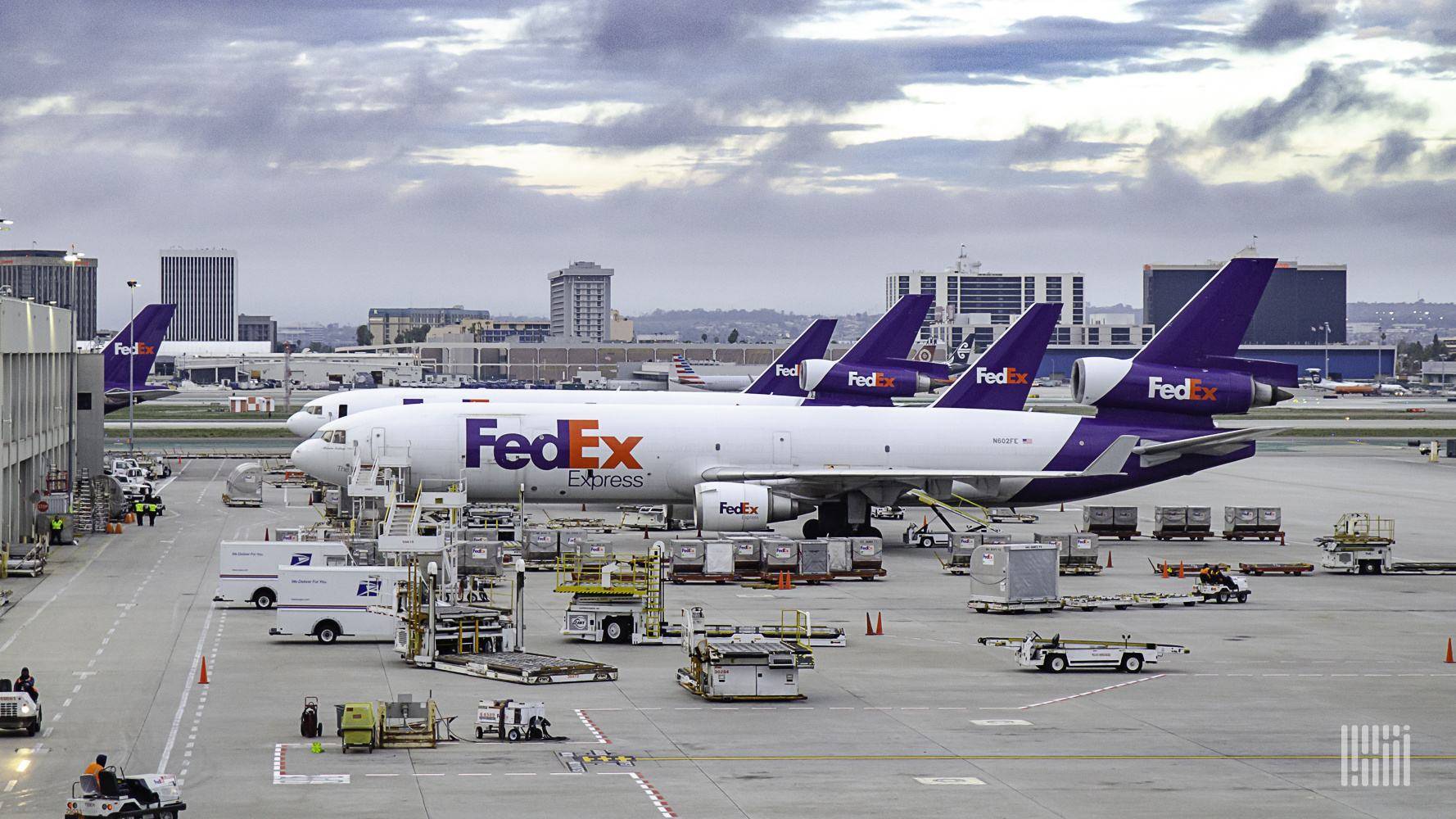
When it comes to shipping batteries to the United States via air freight, there are several important factors that need to be considered. From ensuring safe packaging to navigating customs regulations, air freight offers a fast and reliable method for transporting batteries. However, with this convenience come certain complexities, including compliance with U.S. import rules, taxes, and the cost of door-to-door delivery. In this article, we’ll explore all the essential aspects of air freight for batteries, so you can make informed decisions when shipping your products.
Understanding the Shipping Process for Batteries
Air freight is one of the quickest methods for shipping goods internationally. It is particularly useful for time-sensitive items, and batteries, especially lithium-ion batteries, are often shipped via air due to their importance in many industries, including electronics, medical devices, and automotive.
However, shipping batteries by air comes with strict regulations to ensure safety during transit. The U.S. Federal Aviation Administration (FAA) and other regulatory bodies have specific guidelines regarding the transport of hazardous materials, and batteries fall under these categories.
Types of Batteries and Their Air Freight Regulations
There are several different types of batteries that can be shipped via air freight, including lithium-ion batteries, lithium-metal batteries, nickel-cadmium batteries, and alkaline batteries. The most common for air freight are lithium-ion batteries, used in devices such as smartphones, laptops, and electric vehicles.
Each type of battery has specific packing and labeling requirements for air transport:
- Lithium-ion batteries must be shipped in compliance with IATA (International Air Transport Association) regulations. They must be packed in a way that prevents short circuits, and the air waybill should indicate the presence of lithium batteries. The packaging should also be marked with appropriate warning labels.
- Lithium-metal batteries have stricter regulations than lithium-ion, requiring even more careful handling.
Understanding these specific requirements is crucial to ensure that your batteries are shipped safely and legally.
Key Considerations When Shipping Batteries to the U.S.
When shipping batteries to the United States, several key considerations must be taken into account to avoid delays, fines, or even confiscation of goods:
1. Customs and Import Regulations
The U.S. has strict rules on the import of hazardous materials, including batteries. All shipments must be declared, and you must provide accurate details about the contents. Customs clearance for batteries can be complex, and failure to meet regulatory requirements can result in shipment delays.
Importers should be familiar with harmonized tariff codes for batteries and ensure that all necessary documentation, including import permits or licenses, is in place.
2. Taxes and Duties
In addition to shipping fees, taxes and duties apply to goods imported into the U.S. Import duties on batteries depend on the type of battery, the country of origin, and the product classification. Typically, lithium-ion batteries are subject to duties, but the rates can vary. Additionally, sales tax may apply when the batteries are delivered to the end customer.
It is essential to consult with a customs broker or shipping agent to get an accurate estimate of taxes and duties before shipping to avoid unexpected costs.
3. Safety and Security Measures
Batteries are classified as hazardous materials, and shipping companies have stringent safety protocols to minimize risk during transit. Ensuring that the batteries are properly packed and labeled is crucial for ensuring that the shipment meets safety regulations. Air freight carriers may require that all lithium batteries are shipped with special packaging to prevent leaks or fires, and only a certain number of batteries can be shipped in each package.
4. Shipping Insurance
Shipping insurance is highly recommended, especially when shipping valuable or sensitive batteries. Insurance helps cover the risk of damage or loss during transit, offering peace of mind for both the seller and the buyer.
Door-to-Door Delivery for Batteries
One of the main advantages of using air freight for shipping batteries is the option for door-to-door delivery. This service provides a complete end-to-end shipping experience, where the carrier takes care of everything from picking up the batteries at the origin to delivering them straight to the recipient's address in the U.S.
Door-to-door services are ideal for businesses and consumers who need to receive their battery shipments without worrying about logistics, customs clearance, or local delivery. Air freight carriers offer this convenience, but it’s important to note that door-to-door delivery typically costs more than airport-to-airport shipping.
Additionally, this service ensures that the batteries are delivered safely and that customs clearance is handled efficiently by the carrier. Some companies even provide real-time tracking, allowing customers to monitor their shipment’s progress throughout the entire journey.
Final Thoughts
Shipping batteries via air freight to the U.S. is a fast and reliable method, but it comes with its share of complexities. Compliance with regulations, accurate customs documentation, and an understanding of taxes and duties are all essential to ensure smooth and legal delivery. Additionally, door-to-door delivery provides a hassle-free experience, though it may come at a higher cost.
If you are planning to ship batteries, it’s crucial to work with an experienced freight forwarder or logistics company familiar with hazardous materials shipping. By following the necessary steps and ensuring compliance with U.S. import regulations, you can ensure that your battery shipments arrive safely and efficiently.
Always consult with experts to understand the costs, paperwork, and specific requirements for shipping batteries, especially if you are shipping large quantities or high-value items.

Adhering to the business philosophy of "customer-centric" honesty first, pragmatic innovation", we focus on providing customers with "professional, safe, efficient and economical" international logistics services, and strive to become the first choice in the minds of customers.
ADDRESS: 101 Qinghui International, No. 160 Qisha Ferry Road, Shatian Town, Dongguan City, Guangdong Province
CONTACT NUMBER: 13620081619 / 18680404400
CONTACT PERSON: Shelly / Alan
E-mail: shelly@qhgj56.com
alan@qhgj56.com
Copyright © 2025 QH INTERNATIONAL LOGISTICS LIMITED