

Battery to FedEx in the United States
- Time of issue:2025-09-04
Battery to FedEx in the United States
- Time of issue:2025-09-04
Shipping Batteries to FedEx in the United States: A Comprehensive Guide to Safe and Efficient Delivery
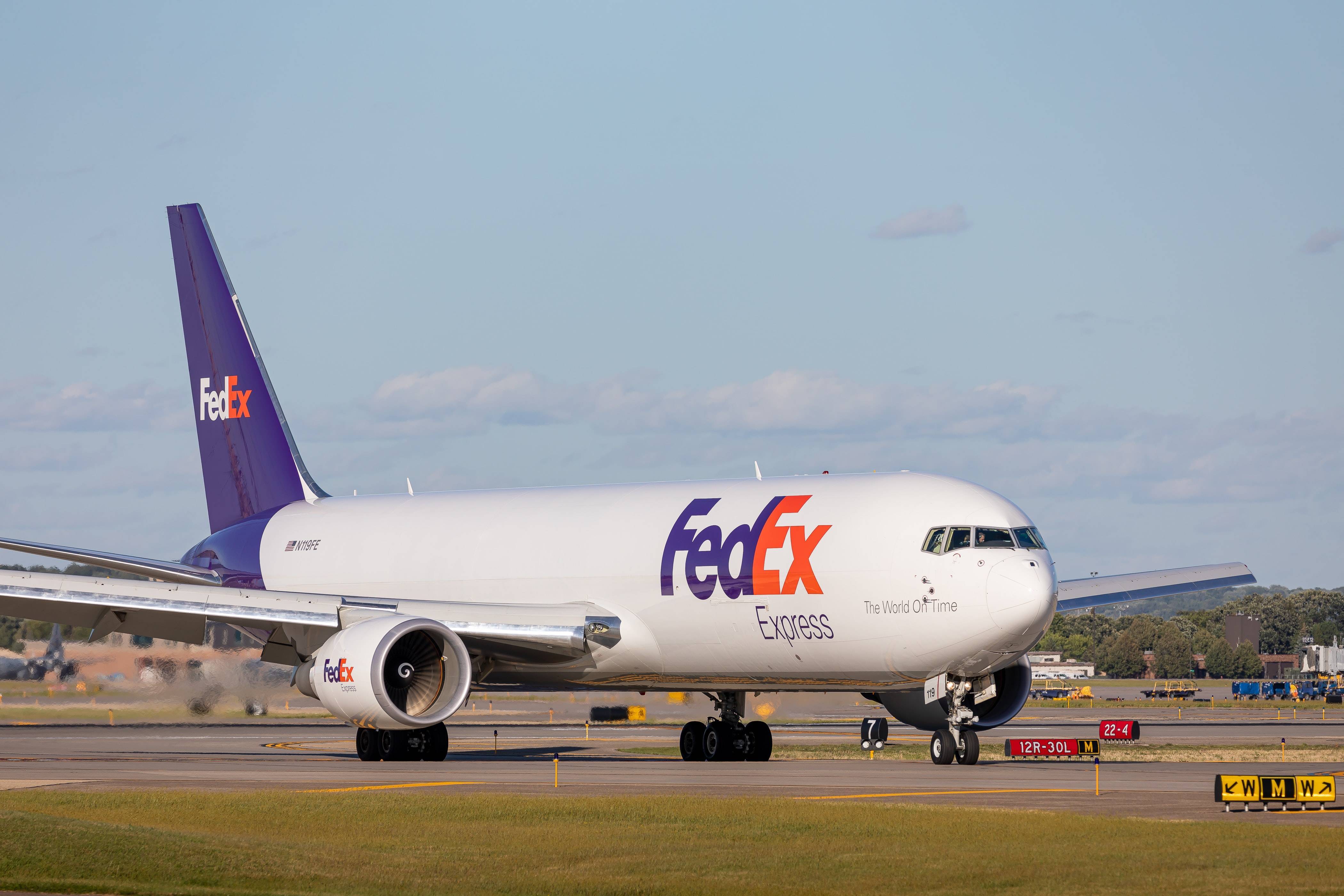
When it comes to shipping batteries internationally, especially to the United States, several important regulations, best practices, and guidelines must be adhered to in order to ensure a smooth process. Whether you are sending lithium-ion batteries, alkaline batteries, or nickel-cadmium types, understanding the requirements of logistics companies like FedEx is essential for safe and efficient delivery. This guide will cover everything you need to know about shipping batteries to FedEx, ensuring compliance with regulations and avoiding potential shipping delays.
Understanding Battery Shipping Regulations
Shipping batteries, particularly lithium-ion types, is more complex than sending standard packages due to safety concerns. The U.S. Department of Transportation (DOT) and the International Air Transport Association (IATA) have strict rules regarding the transportation of hazardous materials, and batteries are classified under this category.
There are different regulatory classifications for batteries:
1. Lithium-ion Batteries: These are commonly found in electronic devices such as phones, laptops, and cameras. Lithium-ion batteries are particularly sensitive to temperature fluctuations and overcharging, making their shipment under strict guidelines necessary.
2. Lithium Metal Batteries: These are similar to lithium-ion batteries but contain metallic lithium, which can be more volatile. Special precautions are needed for these types of batteries.
3. Non-Rechargeable Batteries: Alkaline batteries, carbon-zinc batteries, and similar types of non-rechargeable batteries typically have fewer restrictions, but they must still be packaged correctly to avoid leakage or short-circuiting.
4. Nickel-Cadmium (NiCd) Batteries: These are rechargeable batteries commonly used in power tools and other equipment. NiCd batteries are generally less dangerous but still require proper packaging and labeling.
Packaging Batteries for Shipping
The correct packaging of batteries is critical to ensure their safe transport. Here are a few tips to keep in mind:
- Use Appropriate Containers: Always use sturdy, non-conductive materials to avoid short-circuiting. Batteries should be packed in their original packaging when possible. If not, make sure each terminal is covered with tape to prevent contact with other metal objects.
- Label Your Package Properly: FedEx requires that packages containing lithium-ion or lithium metal batteries be marked with specific hazardous material labels. This will alert handlers to take extra care when managing the package.
- Avoid Overpacking: While it’s important to pack batteries securely, avoid overpacking as it can lead to pressure on the batteries and increase the risk of leakage or short-circuiting.
- Check FedEx’s Regulations: Each carrier has its own set of regulations when it comes to shipping batteries. It is always a good idea to check FedEx’s official guidelines for any specific requirements they may have for packaging, labeling, and documentation.
How to Ship Batteries with FedEx
Once your batteries are properly packed and labeled, you need to understand the best way to ship them. Here are some general steps to follow:
1. Choose the Right Service: Depending on your needs, FedEx offers different shipping services. For batteries, it’s best to use FedEx Ground or FedEx Express for faster delivery. However, FedEx Ground may be a better option for heavy or large packages containing batteries, as it is less expensive.
2. Complete the Paperwork: Certain types of batteries, especially lithium-ion and lithium metal, may require special forms or documentation. For example, you might need to complete the Dangerous Goods Declaration for international shipments. It is essential to include the proper shipping declaration to avoid delays or complications at customs.
3. Check the Restrictions: Some countries have restrictions on the import of certain types of batteries. For instance, lithium-ion batteries are often subject to restrictions due to their fire hazard potential. Be sure to check the specific regulations for the destination country before shipping.
4. Track Your Shipment: FedEx provides tracking services for all shipments. Once your package is dispatched, you can monitor its progress through the FedEx tracking system. This is especially important for international shipments, where customs clearance can sometimes cause delays.
Special Considerations for Lithium Batteries
While lithium-ion batteries are widely used, they are also subject to stricter shipping regulations due to the potential for fire hazards. Here’s what you need to know:
- State of Charge (SOC): FedEx has specific requirements for the state of charge (SOC) of lithium-ion batteries. Generally, the SOC must not exceed 30% of the battery’s capacity. This is to minimize the risk of overheating or combustion during transit.
- Shipping Lithium Batteries by Air: Air transport of lithium-ion batteries is tightly regulated, and there are specific requirements for packaging, labeling, and documentation. For air shipments, the IATA DGR (Dangerous Goods Regulations) must be followed.
- Special Permits for Large Quantities: If you are shipping large quantities of lithium batteries, additional permits and documentation may be required. FedEx has specific guidelines for shipping large quantities of hazardous materials, and it is essential to contact them in advance to ensure compliance.
Common Shipping Challenges
While shipping batteries to FedEx is generally straightforward, there are several common challenges that senders may encounter:
1. Customs Delays: Batteries, especially lithium-ion types, can face delays when crossing international borders due to stringent customs regulations. Make sure you have all the required documentation to expedite the process.
2. Damaged or Leaked Batteries: If the batteries are not properly packaged, there is a risk of leakage or damage during transit. This can lead to costly delays or fines. Always double-check that the batteries are well-secured and properly labeled.
3. Incorrect Labeling: Incorrect or incomplete labeling is one of the most common causes of shipping issues. Make sure you use the correct hazardous material labels and include all necessary documentation for FedEx.
Conclusion
Shipping batteries to FedEx in the United States can be done safely and efficiently as long as you follow the proper regulations and best practices. Whether you’re sending lithium-ion, alkaline, or nickel-cadmium batteries, it’s crucial to pack them securely, label them appropriately, and ensure that all required documentation is in place. By following these steps, you can minimize the risks associated with battery shipping and enjoy a smooth and hassle-free experience. Always stay informed about the latest shipping regulations and contact FedEx directly for any specific questions or concerns.

Adhering to the business philosophy of "customer-centric" honesty first, pragmatic innovation", we focus on providing customers with "professional, safe, efficient and economical" international logistics services, and strive to become the first choice in the minds of customers.
ADDRESS: 101 Qinghui International, No. 160 Qisha Ferry Road, Shatian Town, Dongguan City, Guangdong Province
CONTACT NUMBER: 13620081619 / 18680404400
CONTACT PERSON: Shelly / Alan
E-mail: shelly@qhgj56.com
alan@qhgj56.com
Copyright © 2025 QH INTERNATIONAL LOGISTICS LIMITED