

Transportation plan for batteries to FEDEX in the United States
- Time of issue:2025-09-04
Transportation plan for batteries to FEDEX in the United States
- Time of issue:2025-09-04
When shipping batteries internationally, especially to a destination like the United States via a renowned carrier like FedEx, there are several crucial aspects to consider. This process involves understanding logistics regulations, the classification of the batteries, and the specific requirements of FedEx and customs authorities to ensure a smooth, compliant, and cost-effective delivery. In this article, we will break down the key steps and strategies for successfully planning a transportation route for batteries.
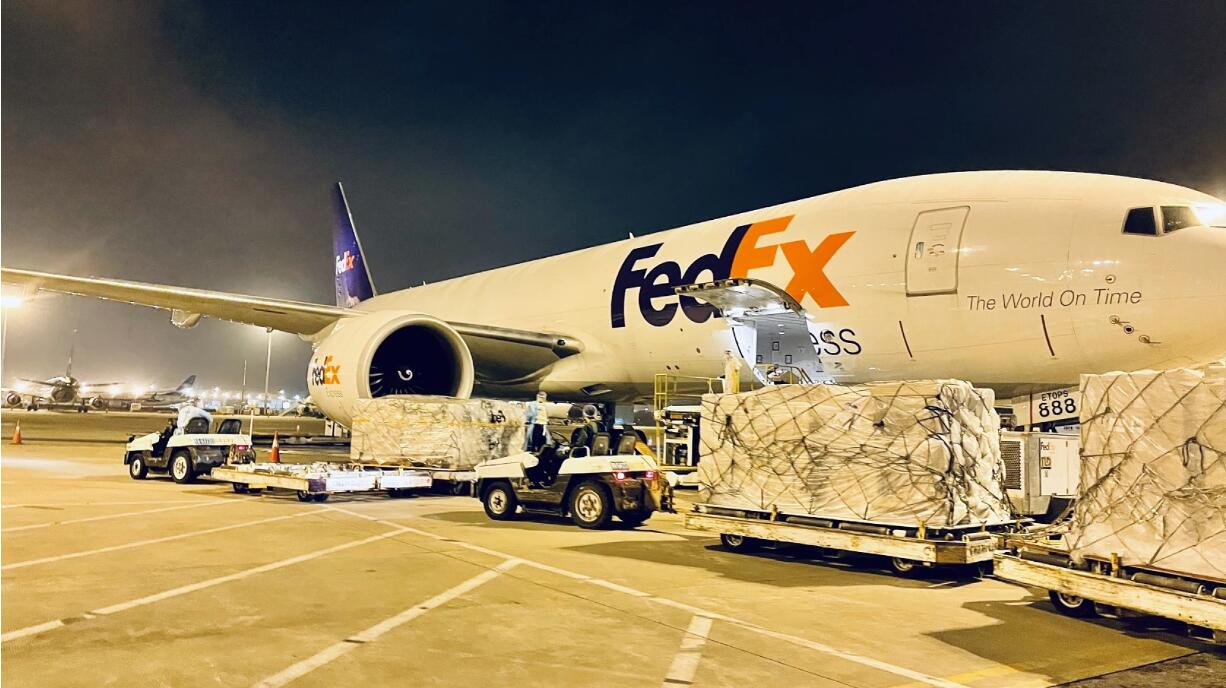
Understanding Battery Shipping Regulations
The first and most critical step when planning to ship batteries to the U.S. via FedEx is understanding the regulations governing battery transportation. There are strict guidelines in place, as batteries, especially lithium-ion and lithium metal batteries, pose significant risks, including fires and leakage. The International Air Transport Association (IATA) and the United Nations (UN) have set specific standards to manage these risks during transport. FedEx, as a global carrier, adheres to these guidelines to ensure safety.
Types of Batteries and Their Classification
Batteries can be classified into two broad categories: primary (non-rechargeable) and secondary (rechargeable). Within these categories, there are further distinctions, such as lithium-ion, lithium metal, and alkaline batteries, each with its own shipping requirements.
- Lithium-Ion Batteries: These are the most commonly shipped batteries in the world today, found in consumer electronics, laptops, and smartphones. FedEx classifies these as dangerous goods under specific conditions, with restrictions on size, weight, and packaging.
- Lithium Metal Batteries: Found in products like cameras and watches, these batteries are more hazardous and subject to stricter transport rules due to the risk of thermal runaway.
- Non-lithium Batteries: Though generally safer, batteries like alkaline or nickel-cadmium (NiCad) still require proper labeling and packaging when shipped, depending on the quantity.
Choosing the Right FedEx Service for Battery Shipping
FedEx offers several shipping services, but when it comes to dangerous goods like batteries, specific services need to be selected. The best choice largely depends on the type of battery being shipped, its size, and whether it's being sent by air or ground transportation.
1. FedEx International Ground: This is a cost-effective solution for shipping non-hazardous and non-lithium batteries. However, lithium-ion and lithium metal batteries may have to be shipped using air transportation for faster delivery.
2. FedEx Express Services: For lithium-ion and lithium metal batteries, FedEx offers dangerous goods services through FedEx Express, which ensures that the batteries are safely transported by air under special handling procedures. It’s important to note that there are restrictions on battery watt-hour (Wh) ratings for lithium-ion and lithium metal batteries.
3. FedEx Freight: For bulk shipments, FedEx Freight provides a safe method of transporting larger volumes of batteries, ensuring that all regulations are met, and the necessary packaging and labeling are in place.
Packaging and Labeling Requirements
One of the most important aspects of shipping batteries is proper packaging and labeling. FedEx has specific guidelines that must be adhered to in order to ensure safe and compliant transportation.
- Lithium Batteries (Both Metal and Ion): Must be packaged in strong outer packaging, with each individual battery separated to prevent short circuits. It is also essential that the package is labeled with a "Dangerous Goods" label, including the proper UN number and hazard class.
- Marking: The package should clearly display markings such as "Lithium Ion Batteries – Not Installed in Equipment" or "Lithium Metal Batteries – Not Installed in Equipment." This allows FedEx and customs authorities to handle the package appropriately.
- Documentation: Ensure that Shipper's Declaration for Dangerous Goods is filled out and attached to the shipment. This is a necessary document for shipments involving hazardous materials.
Customs Clearance and Documentation
Navigating customs regulations is an essential part of the shipping process. U.S. Customs and Border Protection (CBP) has strict policies regarding the importation of batteries, especially lithium batteries, due to their hazardous nature.
When shipping batteries to the U.S., ensure the following:
- Complete all required import documentation including the Shipper’s Declaration and Commercial Invoice.
- Verify that the batteries meet U.S. import safety standards.
- Consider any applicable taxes and duties that may be levied based on the shipment's value.
Tracking and Monitoring Shipments
Once the batteries are packed, labeled, and shipped, you’ll want to track the shipment closely to ensure it reaches its destination safely and on time. FedEx’s tracking system allows you to monitor the progress of the shipment and alerts you in the event of any delays or issues.
Tracking is especially important for time-sensitive shipments, such as those involving high-value or mission-critical equipment.
Final Tips for a Successful Battery Shipment
1. Stay Updated on Regulations: Regulations for shipping batteries are continuously evolving, especially with regard to lithium-ion and lithium metal batteries. Always check for the most current guidelines from FedEx and international shipping organizations.
2. Use Professional Packaging: While it may be tempting to use generic packaging, it’s essential to use certified packaging that is specifically designed for hazardous materials, particularly for lithium batteries.
3. Plan for Delays: Shipping batteries internationally can sometimes lead to delays due to inspections and regulations. Factor this into your planning and inform your recipient about potential delivery windows.
By following these guidelines and partnering with a reliable carrier like FedEx, you can ensure that your battery shipments to the United States are delivered safely and on time, while adhering to international and local regulations. With proper planning, packaging, and documentation, the risks associated with shipping hazardous materials like batteries can be minimized, ensuring a smooth transit every time.

Adhering to the business philosophy of "customer-centric" honesty first, pragmatic innovation", we focus on providing customers with "professional, safe, efficient and economical" international logistics services, and strive to become the first choice in the minds of customers.
ADDRESS: 101 Qinghui International, No. 160 Qisha Ferry Road, Shatian Town, Dongguan City, Guangdong Province
CONTACT NUMBER: 13620081619 / 18680404400
CONTACT PERSON: Shelly / Alan
E-mail: shelly@qhgj56.com
alan@qhgj56.com
Copyright © 2025 QH INTERNATIONAL LOGISTICS LIMITED