Clothes to FBA company in Vietnam
- Time of issue:2025-09-03
Clothes to FBA company in Vietnam
- Time of issue:2025-09-03
Shipping Clothes to FBA: A Complete Guide for Companies in Vietnam
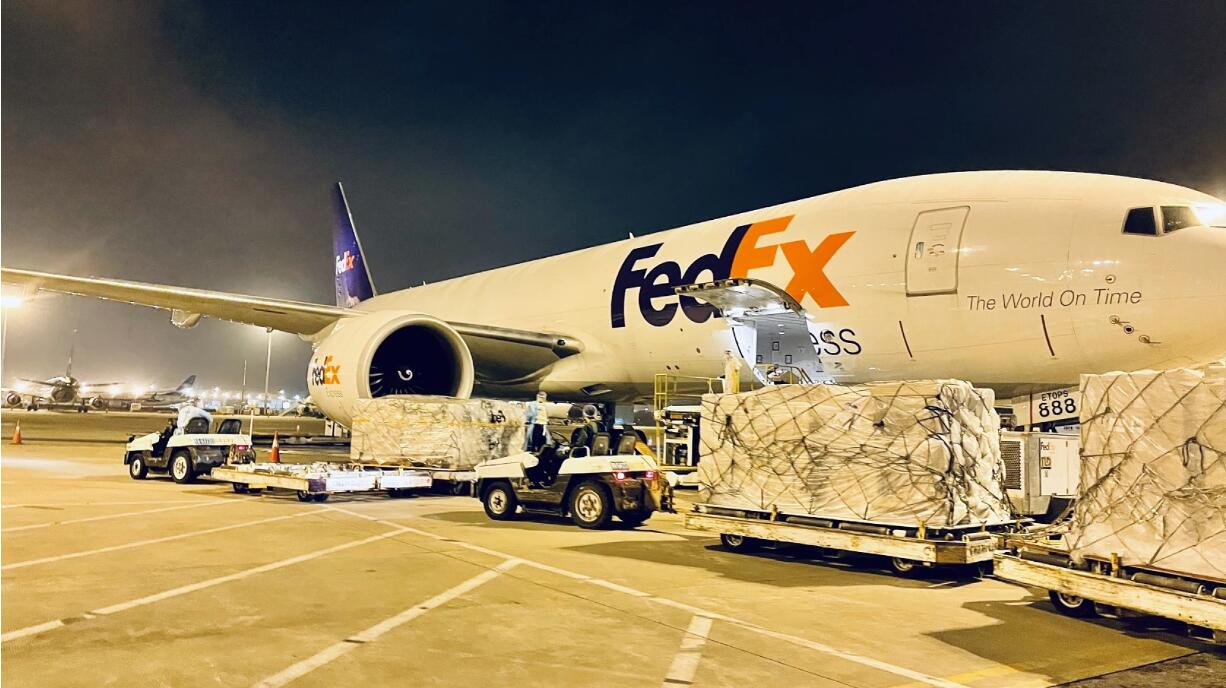
In recent years, Vietnam has become an essential hub for eCommerce, especially for sellers on platforms like Amazon. One of the most sought-after services is shipping clothes to Fulfillment by Amazon (FBA) centers, which involves careful planning, understanding logistics, and optimizing the process for maximum efficiency. This guide will walk you through everything you need to know about sending clothes to FBA from Vietnam, focusing on key steps, common mistakes, and best practices.
Understanding FBA and Its Importance
Fulfillment by Amazon (FBA) is a service provided by Amazon that allows sellers to store their products in Amazon's warehouses. Amazon takes care of storage, packing, shipping, and customer service, ensuring that your products reach customers quickly and efficiently. For businesses in Vietnam, this means you can reach global markets without needing a vast infrastructure.
When it comes to clothes, there are specific requirements and challenges that sellers need to consider when shipping to Amazon's FBA warehouses. This includes everything from labeling, packaging, shipping regulations, and handling returns. Understanding these steps will ensure your clothes are successfully delivered to Amazon’s fulfillment centers and reach your customers in perfect condition.
Step-by-Step Process to Ship Clothes to FBA from Vietnam
1. Product Preparation and Labeling
Before shipping, your clothes must be properly prepared and labeled. Amazon requires that every item be labeled with a unique FBA barcode, typically an Amazon Standard Identification Number (ASIN). This barcode helps Amazon keep track of your inventory.
Key Steps for Labeling Clothes:
- Ensure the correct label format: You can either label your clothes yourself or use Amazon's Labeling Service.
- Check the size and color variations: If you are selling different colors or sizes of the same product, each variation needs its own label.
- Use clear and legible fonts: This ensures that the label can be scanned without issues when the items reach Amazon’s warehouse.
Proper labeling is critical, as missing or incorrect labels can cause delays and lead to inventory mismanagement.
2. Packaging and Quality Control
After labeling, you need to properly package the clothes for shipping. Packaging is essential for protecting the products from damage and complying with Amazon’s requirements.
Best Practices for Clothing Packaging:
- Use poly bags: Clothes should be packed in clear, resealable poly bags with suffocation warnings printed on them.
- Avoid overstuffing: Ensure that the poly bags are not too tight, as it could lead to wrinkles or damage.
- Include size labels: Size labels should be clearly visible, either on the packaging or the clothing itself.
Quality control checks should be carried out to ensure the items are in perfect condition, as Amazon’s fulfillment centers have stringent quality standards.
3. Shipping Arrangements
Shipping clothes from Vietnam to Amazon's FBA centers involves international logistics. Here’s a breakdown of the shipping process:
- Choose a reliable freight forwarder: Working with an experienced freight forwarder who specializes in FBA shipments will save time and minimize shipping delays.
- Select the correct shipping method: Depending on your timeline and budget, you can choose air freight for faster delivery or ocean freight for cost-effective shipping.
- Optimize shipping routes: Make sure that your shipment goes directly to the FBA warehouse or, at the very least, a consolidated shipping hub to avoid delays.
- Track your shipment: Regularly monitor the shipment’s progress to avoid missing any deadlines and to ensure it arrives safely.
4. Customs Clearance and Import Regulations
Shipping internationally from Vietnam involves customs clearance. Vietnam is part of various trade agreements, which can reduce tariffs for certain products. However, there are still customs duties and regulations that need to be followed.
- Ensure all documents are in order: Your freight forwarder will typically handle the necessary paperwork, but you should ensure that your shipping invoices, import licenses, and certificates are complete.
- Understand the import duties: Different types of clothing might be subject to different import duties, so be prepared to pay these fees.
Adhering to these customs guidelines will prevent your shipment from being delayed or held at customs.
5. Shipping to the Correct FBA Warehouse
Amazon operates FBA fulfillment centers in various locations globally. Once your shipment reaches the United States (or other target countries), it will be directed to the appropriate warehouse based on Amazon's guidelines.
Things to keep in mind:
- Shipping plans: Before shipping, create a shipping plan in your Amazon Seller Central account. This ensures that your shipment is directed to the right warehouse.
- Inventory distribution: Amazon may direct your shipment to multiple warehouses depending on your sales region. This allows faster delivery times but may require multiple shipments.
- Inventory arrival and inspection: Once the shipment arrives, Amazon will inspect the items, and they will become available for sale on the marketplace.
6. Handling Returns and Customer Feedback
Once your clothes are listed and sold through FBA, returns are inevitable. Amazon has a straightforward process for handling returns. Returned items must be sent back to Amazon’s warehouse, and Amazon provides guidelines for re-selling returned goods.
Customer feedback is essential for building your brand’s reputation. Always respond to feedback promptly and address any issues with your clothing items as quickly as possible.
Common Mistakes to Avoid
While the process seems straightforward, there are several mistakes that sellers often make. Here are a few to watch out for:
- Inadequate labeling: This can lead to your products being misplaced or delayed.
- Improper packaging: Clothes should always be packed in a way that prevents damage and wrinkles.
- Ignoring shipping deadlines: If your shipment doesn’t arrive in time for peak selling seasons, it could hurt your sales.
Conclusion
Shipping clothes to Amazon FBA from Vietnam requires careful attention to detail. By following the steps outlined above—product preparation, labeling, packaging, choosing the right shipping method, and adhering to import regulations—you can streamline the process and ensure your clothes reach their destination efficiently. Whether you're a small startup or a large apparel brand, mastering the FBA shipping process is critical for scaling your business in the competitive eCommerce market.

Adhering to the business philosophy of "customer-centric" honesty first, pragmatic innovation", we focus on providing customers with "professional, safe, efficient and economical" international logistics services, and strive to become the first choice in the minds of customers.
ADDRESS: 101 Qinghui International, No. 160 Qisha Ferry Road, Shatian Town, Dongguan City, Guangdong Province
CONTACT NUMBER: 13620081619 / 18680404400
CONTACT PERSON: Shelly / Alan
E-mail: shelly@qhgj56.com
alan@qhgj56.com
Copyright © 2025 QH INTERNATIONAL LOGISTICS LIMITED