Precautions for Shipping Clothes to Vietnam by Sea
- Time of issue:2025-09-03
Precautions for Shipping Clothes to Vietnam by Sea
- Time of issue:2025-09-03
Shipping clothes to Vietnam by sea requires careful planning and attention to various factors that can influence the condition and delivery time of your goods. Sea freight is often considered the most economical method for transporting large quantities of items, but understanding the precautions involved can make the process smoother and more efficient. This guide will provide you with essential tips and precautions for shipping clothes to Vietnam by sea, ensuring that your goods arrive safely and on time.
1. Choosing the Right Shipping Method
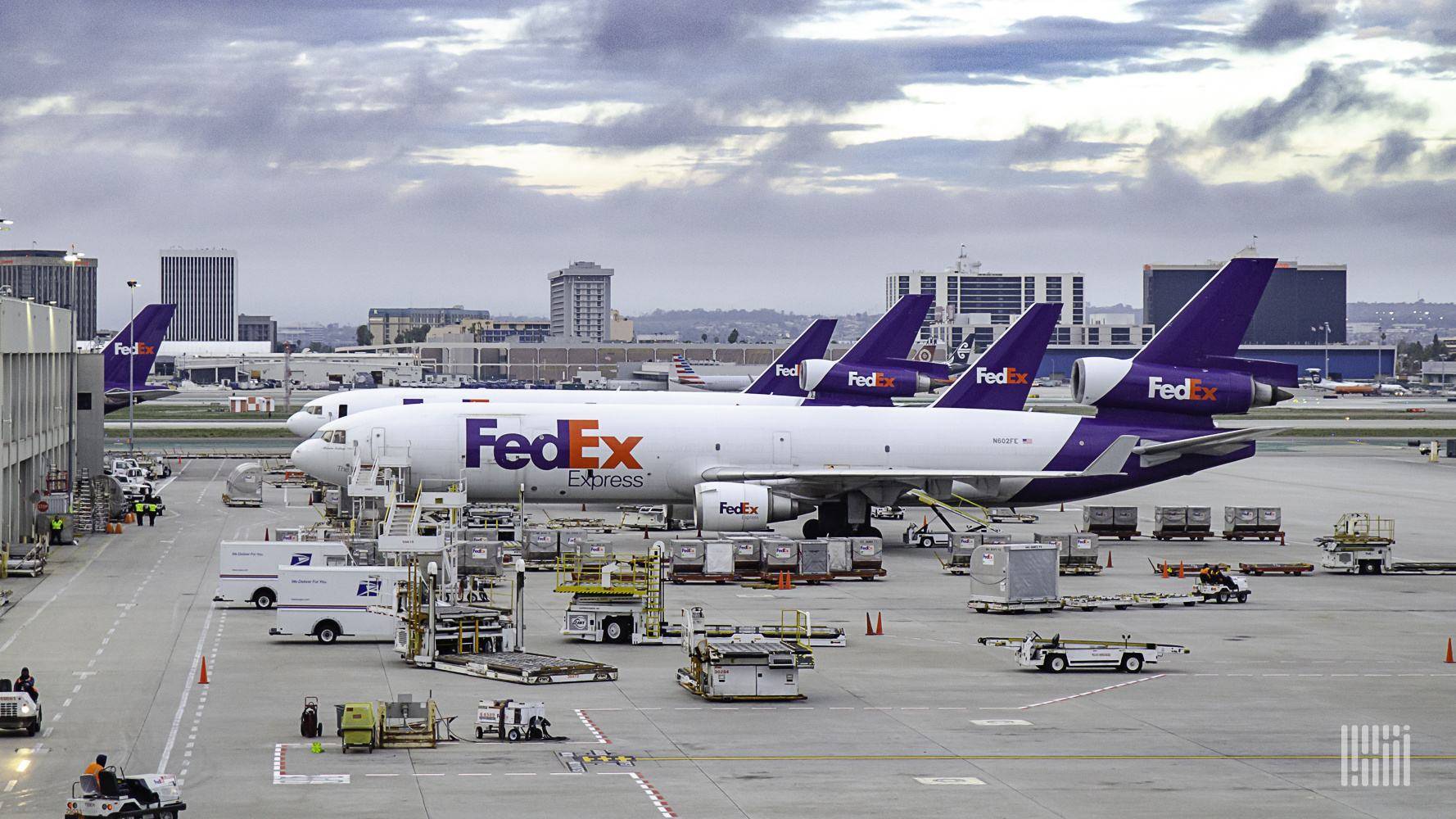
Before proceeding, it’s important to choose the most appropriate shipping method based on the quantity of clothes you intend to ship. If you're shipping a small amount, a less-than-container load (LCL) might be more economical, where your goods share space with others. For larger shipments, full container load (FCL) is ideal, offering more security and better rates for bulkier shipments.
2. Proper Packaging
When shipping clothes, proper packaging is crucial to protect the items from damage, dirt, and moisture during transit. Clothes should be packed in plastic bags or vacuum-sealed bags to prevent them from getting wet or damaged by humidity. Cardboard boxes should be used for stacking and protecting the clothes, and these boxes should be clearly labeled to avoid any confusion during transit.
- Waterproofing: Consider using waterproof packaging for added protection, especially during the rainy season in Vietnam.
- Avoid Overpacking: Do not overstuff boxes, as this can lead to damage. Clothes need to be able to breathe during transport.
3. Complying with Vietnamese Import Regulations
Vietnam has specific import regulations that you must adhere to when shipping clothes. It’s essential to familiarize yourself with these rules to avoid delays or penalties. The Vietnamese government requires that all shipments are declared with detailed customs documentation, including invoices, packing lists, and possibly, a certificate of origin.
- Textile and Clothing Standards: Make sure that the clothes meet Vietnam’s safety and quality standards. Any items that don't comply may be rejected or destroyed by customs.
- Duties and Taxes: Ensure that you understand the applicable import duties and taxes for clothing. Vietnam has a value-added tax (VAT) and import tax on certain goods.
4. Labeling and Documentation
Labeling is a critical part of the shipping process. Each box or container should be clearly labeled with the sender's information, recipient’s address, and a detailed list of items. The HS Code for each clothing item is essential for smooth customs clearance.
Documents such as the Bill of Lading (BOL), Commercial Invoice, Packing List, and Certificate of Origin should be prepared and presented accurately to avoid any delays.
5. Timing and Transit Times
Sea freight, while cost-effective, is not the fastest method of transportation. Transit times can vary depending on the departure and arrival ports, with shipments to Vietnam typically taking anywhere from 15 to 30 days. Therefore, timing is key, especially if you're shipping seasonal clothing or have strict deadlines. Be sure to account for potential delays due to weather conditions, port congestion, or customs clearance.
To avoid delays, always ship your clothes well in advance of the required delivery date.
6. Insurance Coverage
Sea freight shipments can be subjected to risks such as storms, piracy, or mishandling, which could potentially damage or even result in the loss of goods. Shipping insurance is highly recommended, especially when shipping valuable or delicate clothing items. This insurance will protect your goods from unexpected circumstances and ensure compensation in case of damage or loss.
7. Selecting a Reliable Freight Forwarder
Partnering with an experienced freight forwarder can make a significant difference in the success of your shipment. A good freight forwarder will provide you with expert advice, handle all necessary documentation, and ensure that your goods are shipped safely and in a timely manner.
When selecting a freight forwarder, look for one with a proven track record of shipping goods to Vietnam. Their expertise in navigating the specific challenges of Vietnamese ports and customs regulations can save you time and avoid unnecessary complications.
8. Port of Destination and Delivery
Vietnam has several major seaports, including Ho Chi Minh City, Hai Phong, and Da Nang. Each port has specific logistical challenges, so it’s important to choose the most suitable port based on your delivery requirements. For instance, if you’re shipping to southern Vietnam, Ho Chi Minh City might be the best choice, while northern Vietnam might be better served by Hai Phong.
Upon arrival at the port, customs clearance procedures will take place, and you will need to arrange for local transportation to deliver the goods to their final destination.
9. Tracking and Communication
Most shipping companies offer tracking services, allowing you to monitor the progress of your shipment. Regularly check the tracking updates and maintain open communication with your shipping provider. Having access to this information ensures that you are aware of any delays or issues that arise during the transit process.
10. Final Inspection Upon Arrival
Once the shipment arrives in Vietnam, conduct a final inspection of the goods to ensure everything is in good condition. Check for any damage, stains, or missing items. If there are any issues, immediately contact your freight forwarder or insurance provider to resolve the situation.
Conclusion
Shipping clothes to Vietnam by sea is a straightforward process when done correctly, but it requires attention to detail. By choosing the right shipping method, packaging appropriately, ensuring compliance with regulations, and selecting a reliable freight forwarder, you can minimize the risks involved and ensure your goods arrive safely and on time. Taking the time to plan ahead and understanding the nuances of the shipping process will help you navigate the complexities of international shipping, ensuring a smooth and successful experience.
Adhering to the business philosophy of "customer-centric" honesty first, pragmatic innovation", we focus on providing customers with "professional, safe, efficient and economical" international logistics services, and strive to become the first choice in the minds of customers.
ADDRESS: 101 Qinghui International, No. 160 Qisha Ferry Road, Shatian Town, Dongguan City, Guangdong Province
CONTACT NUMBER: 13620081619 / 18680404400
CONTACT PERSON: Shelly / Alan
E-mail: shelly@qhgj56.com
alan@qhgj56.com
Copyright © 2025 QH INTERNATIONAL LOGISTICS LIMITED