Precautions for Air Freight of Clothes to Vietnam
- Time of issue:2025-09-02
Precautions for Air Freight of Clothes to Vietnam
- Time of issue:2025-09-02
When shipping clothes via air freight to Vietnam, there are several important considerations to ensure the process is smooth, efficient, and cost-effective. Whether you are a small business owner looking to expand your market reach or a large enterprise managing large volumes of shipments, understanding the essential precautions for air freight is crucial. In this guide, we will explore the key factors that should be taken into account to ensure a successful air freight operation when sending clothing to Vietnam.
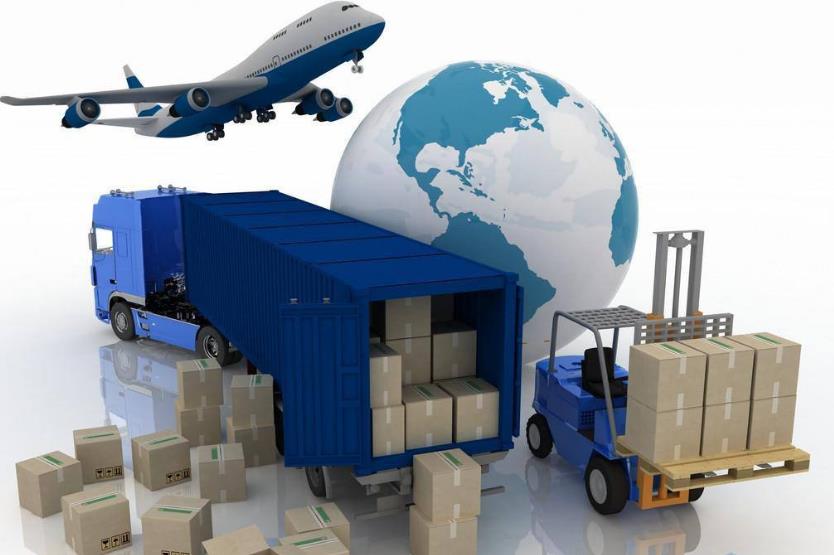
1. Understanding Air Freight Requirements for Clothing
Before shipping clothes to Vietnam, it is essential to understand the regulations and requirements for air freight in both the country of origin and Vietnam. This includes ensuring your goods comply with Vietnamese customs regulations as well as international shipping standards. Clothes, being non-perishable goods, may have specific labeling and packaging requirements to avoid damage during transit and to meet local regulations upon arrival.
2. Packaging and Labeling
Proper packaging is one of the most crucial aspects of shipping clothes by air. Clothes are susceptible to wrinkles, creases, and even damage if not packed properly. Using strong, durable, and lightweight materials will protect your goods from external pressure during transport. Additionally, vacuum-sealing clothes can reduce space usage and minimize the chance of damage.
Furthermore, clothes must be labeled clearly and accurately. Include the product name, origin, weight, quantity, and the intended recipient’s address. Proper labeling helps to avoid customs delays and ensures that your shipment is processed quickly once it reaches the destination. Using barcodes can also facilitate tracking and handling.
3. Choose the Right Air Freight Carrier
Selecting the right air freight carrier is vital. You need to research carriers that specialize in shipping to Vietnam. Compare costs, delivery speed, and reliability. Some carriers may offer door-to-door services, while others may provide airport-to-airport services, which may require you to handle customs clearance yourself.
When evaluating air freight options, consider whether the carrier offers dedicated services for fashion items or clothes, as they are more familiar with the specific packaging, handling, and timing required. Carrier reliability plays a critical role in ensuring that your clothes arrive on time and in good condition.
4. Customs Clearance and Documentation
The customs clearance process is one of the most critical steps when shipping clothes to Vietnam. To avoid delays and ensure that your goods pass through Vietnamese customs smoothly, you must prepare the right documentation. This typically includes:
- Commercial Invoice: A document detailing the value, description, and quantity of the items.
- Packing List: A detailed list of all items being shipped.
- Bill of Lading (BOL): A receipt issued by the carrier confirming receipt of the goods.
- Certificate of Origin (COO): A document certifying the country where the goods were manufactured.
Be sure to work with a reliable customs broker to ensure that all paperwork is correct and in order. They can help you navigate the complexities of the customs process and avoid unnecessary delays or fines.
5. Consideration of Shipping Costs
When shipping clothes, consider both freight and ancillary costs. The shipping cost can vary based on the weight and volume of the package, as well as the distance between the country of origin and Vietnam. For lighter, bulkier shipments, air freight can be more expensive compared to sea freight, but it provides faster delivery times.
Moreover, insurance should be considered as part of your shipping expenses. Even with careful packaging, accidents can happen, and insurance will ensure that you are covered in case of damage or loss during transit.
6. Time of Year and Weather Conditions
Air freight can be subject to seasonal variations in pricing and availability. For example, during peak seasons like the Lunar New Year, demand for air freight may increase, causing delays or higher rates. It is advisable to book your shipment well in advance to avoid delays.
Weather conditions also play a role in air transport. Vietnam, especially during the monsoon season, may experience severe weather conditions that can impact airport operations. Weather forecasting tools can help you assess potential delays in advance.
7. Track Your Shipment
Once your shipment is on its way to Vietnam, it’s crucial to stay informed about its progress. Real-time tracking is available through most air freight carriers, which allows you to monitor the location of your goods at any point during transit. If any issues arise, you will be alerted promptly, allowing you to take swift action.
8. Receiving Your Shipment in Vietnam
After your clothes have arrived in Vietnam, the next step is receiving and managing the delivery. It is essential to inspect the goods for damage and ensure that they match the description provided in the shipping documents. Should any discrepancies or damages occur, be prepared to file a claim with the carrier or your insurance provider.
Furthermore, be mindful of local storage fees in case you cannot pick up the shipment immediately. These charges can quickly accumulate and add extra costs to your shipment.
Conclusion
Air freight offers a fast and reliable way to ship clothes to Vietnam, but it requires careful planning and attention to detail. By following the precautions outlined above, you can ensure that your clothing shipments arrive in good condition and on time, while minimizing risks and costs. Whether you are new to international shipping or an experienced exporter, being proactive and well-prepared is key to the successful transportation of your goods.
Adhering to the business philosophy of "customer-centric" honesty first, pragmatic innovation", we focus on providing customers with "professional, safe, efficient and economical" international logistics services, and strive to become the first choice in the minds of customers.
ADDRESS: 101 Qinghui International, No. 160 Qisha Ferry Road, Shatian Town, Dongguan City, Guangdong Province
CONTACT NUMBER: 13620081619 / 18680404400
CONTACT PERSON: Shelly / Alan
E-mail: shelly@qhgj56.com
alan@qhgj56.com
Copyright © 2025 QH INTERNATIONAL LOGISTICS LIMITED