Clothes to FBA company in Thailand
- Time of issue:2025-08-31
Clothes to FBA company in Thailand
- Time of issue:2025-08-31
When it comes to selling clothes on Amazon, Fulfillment by Amazon (FBA) is an essential service that allows sellers to outsource storage, packaging, and shipping. This enables businesses to scale quickly without dealing with logistics complexities. Shipping clothes to FBA from Thailand, a popular base for manufacturers and suppliers, has its own unique set of challenges and opportunities. This article explores how to navigate the process of shipping clothes to FBA in Thailand, addressing everything from finding reliable suppliers to optimizing shipping procedures for cost efficiency and speed.
Why Thailand Is a Key Source for Clothing
Thailand has long been recognized for its robust textile and garment industry. Known for both its affordable labor and highly skilled workforce, Thailand is home to numerous manufacturers that produce high-quality clothing. Many of these manufacturers cater to global markets, providing businesses with excellent opportunities to source stylish and affordable apparel for their online stores.
FBA sellers based outside of Thailand can benefit from the country's competitive pricing, established production capabilities, and proximity to key shipping routes. When it comes to fulfilling orders on Amazon, sourcing clothes from Thailand and shipping them to Amazon’s warehouses offers significant logistical advantages.
Step 1: Finding a Reliable Supplier in Thailand
The first step to shipping clothes to FBA from Thailand is identifying a reliable clothing supplier. This process involves researching manufacturers, verifying their product quality, and negotiating terms of production and pricing.
- Trade Fairs and Exhibitions: Attending industry events such as the Bangkok International Fashion Fair or Thai Fashion Expo can help you network with reputable suppliers. These events also give you the opportunity to view the quality of clothing firsthand.
- Online Marketplaces: Platforms such as Alibaba, Thailand’s Exporters Directory, or Thailand’s Department of Export Promotion are valuable resources for finding manufacturers. Many suppliers are listed here, offering various types of clothing with specifications that cater to different markets.
- Supplier Verification: Always verify a supplier’s credentials before moving forward. Request samples, review their production processes, and check feedback from other clients. Ensuring they meet the standards of Amazon's FBA program is crucial.
Step 2: Customs and Import Regulations for Shipping to FBA
Shipping clothes internationally can be tricky due to customs regulations. Thailand’s customs regulations require proper paperwork to clear goods for export, and failure to comply could delay shipments.
To ensure smooth logistics:
- Work with a freight forwarder or customs broker who is familiar with both Thai export laws and US import regulations.
- Make sure that all clothing is correctly classified under the appropriate HS (Harmonized System) code, and that your invoice and packing list are in order.
- FBA warehouses typically require that items be shipped with specific labeling and packaging standards, so it’s important to get these details right.
Understanding the customs duties on clothing is also vital. Import duties may vary depending on the clothing’s material and country of origin. Fortunately, there are often exemptions or reductions on certain categories of clothing for FBA shipments, making it important to work with a logistics expert who can help you navigate these regulations.
Step 3: Packaging and Labeling for FBA
Once you’ve found a supplier and sorted out the customs details, you’ll need to prepare your clothes for shipment. FBA requires strict packaging and labeling guidelines, which sellers must adhere to in order to avoid delays or penalties.
- Packaging: Clothes should be packaged in a way that ensures they remain in good condition. Most sellers choose poly bags that are clear, durable, and heat-sealed. Each bag should also be marked with the size, style, and color of the clothing.
- Labeling: Amazon requires FBA shipments to include FNSKU labels (Fulfillment Network Stock Keeping Unit). This barcode must be placed on each individual item, and each item must be distinguishable from others. Amazon also has specific labeling requirements for things like expiration dates, if applicable.
- Shipping to Multiple FBA Locations: FBA often requires shipments to be sent to multiple fulfillment centers. Amazon’s Shipment Creation Workflow will direct you to where each item should be sent. Understanding this process beforehand can save you time and money.
Step 4: Choosing the Right Shipping Method
Once your clothes are ready for shipment, choosing the right shipping method is key. International shipping from Thailand to Amazon’s FBA centers can be done in various ways, depending on your budget and timeline:
- Sea Freight: This is the most cost-effective way to ship large quantities of clothing. While it’s slower (taking several weeks), it’s ideal for bulk shipments and large volumes.
- Air Freight: For faster delivery, air freight is the way to go. Though more expensive than sea freight, it can get your products to Amazon's fulfillment centers much faster, often within a week or less.
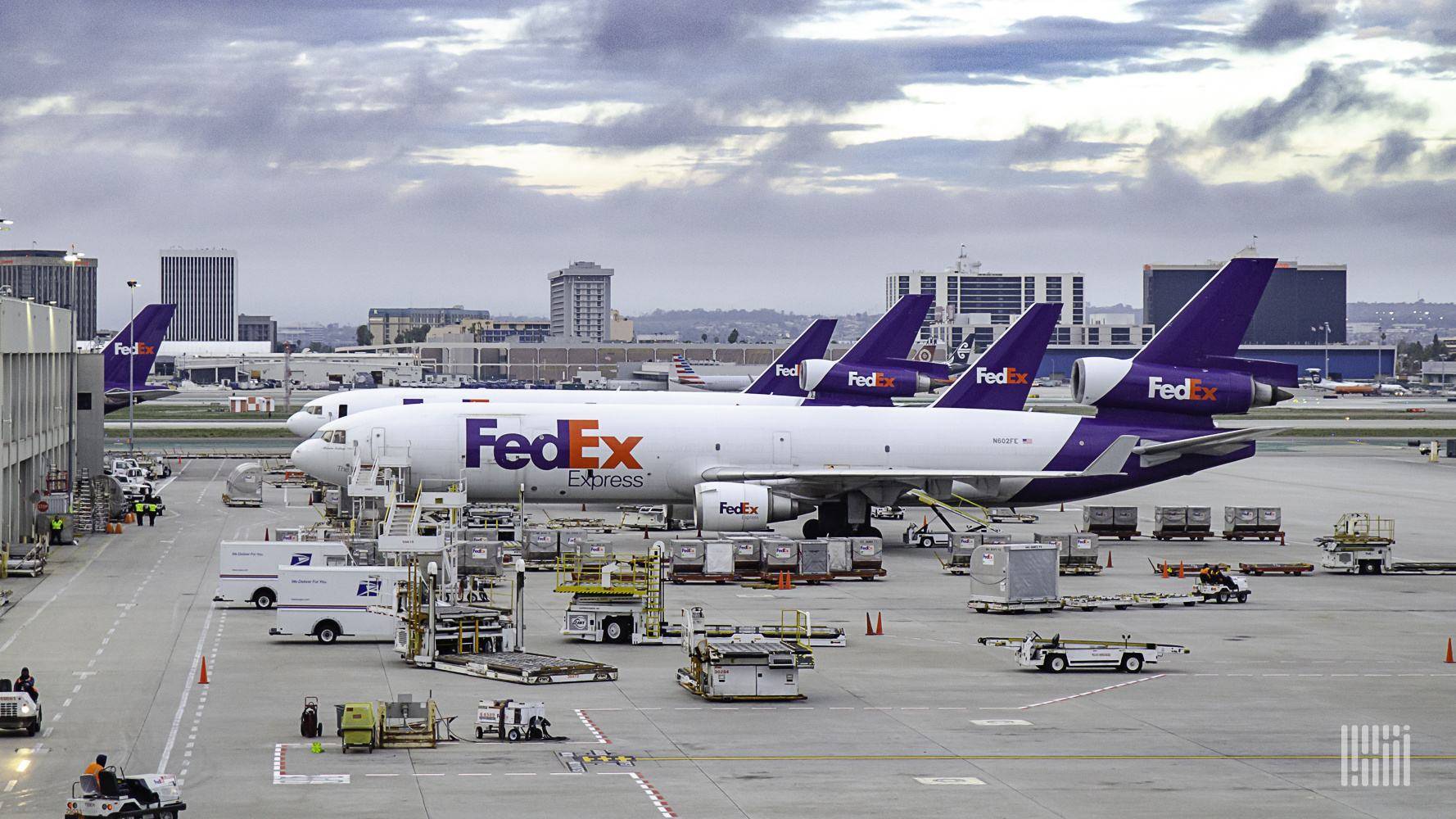
- Courier Services: For smaller shipments, or if you need faster service, consider using courier services like DHL or FedEx. They are faster than sea freight and offer tracking, but they can be pricey for larger shipments.
Step 5: Monitoring Your Shipment
Once your shipment is on its way to Amazon, it’s crucial to track it closely. Delays or issues can arise during shipping, and knowing the status of your shipment allows you to address any potential issues before they become bigger problems.
Utilizing tracking tools provided by your freight forwarder or shipping company will help you stay on top of your shipment's status, ensuring it reaches Amazon's warehouses in time for your inventory to be available for sale.
Conclusion
Shipping clothes from Thailand to FBA warehouses can be a straightforward process if you follow the proper steps. From selecting a reliable supplier and handling customs paperwork to adhering to Amazon’s packaging and labeling requirements, careful planning and attention to detail are essential. With the right logistics partner and the right knowledge, your clothing business can thrive on Amazon, reaching customers quickly and efficiently.
By staying informed about industry trends, shipping best practices, and FBA requirements, you can ensure that your business operates smoothly and that your clothes arrive in top condition. Happy selling!
Adhering to the business philosophy of "customer-centric" honesty first, pragmatic innovation", we focus on providing customers with "professional, safe, efficient and economical" international logistics services, and strive to become the first choice in the minds of customers.
ADDRESS: 101 Qinghui International, No. 160 Qisha Ferry Road, Shatian Town, Dongguan City, Guangdong Province
CONTACT NUMBER: 13620081619 / 18680404400
CONTACT PERSON: Shelly / Alan
E-mail: shelly@qhgj56.com
alan@qhgj56.com
Copyright © 2025 QH INTERNATIONAL LOGISTICS LIMITED