Precautions for Shipping Clothes to Thailand by Sea
- Time of issue:2025-08-31
Precautions for Shipping Clothes to Thailand by Sea
- Time of issue:2025-08-31
When shipping clothes to Thailand by sea, it is essential to consider various factors to ensure that your goods arrive safely and on time. Sea freight is one of the most cost-effective shipping methods, but it does require careful preparation and attention to detail. This article will guide you through the necessary precautions and best practices for shipping clothes to Thailand by sea, highlighting key aspects such as packaging, customs regulations, and insurance.
1. Proper Packaging for Sea Freight
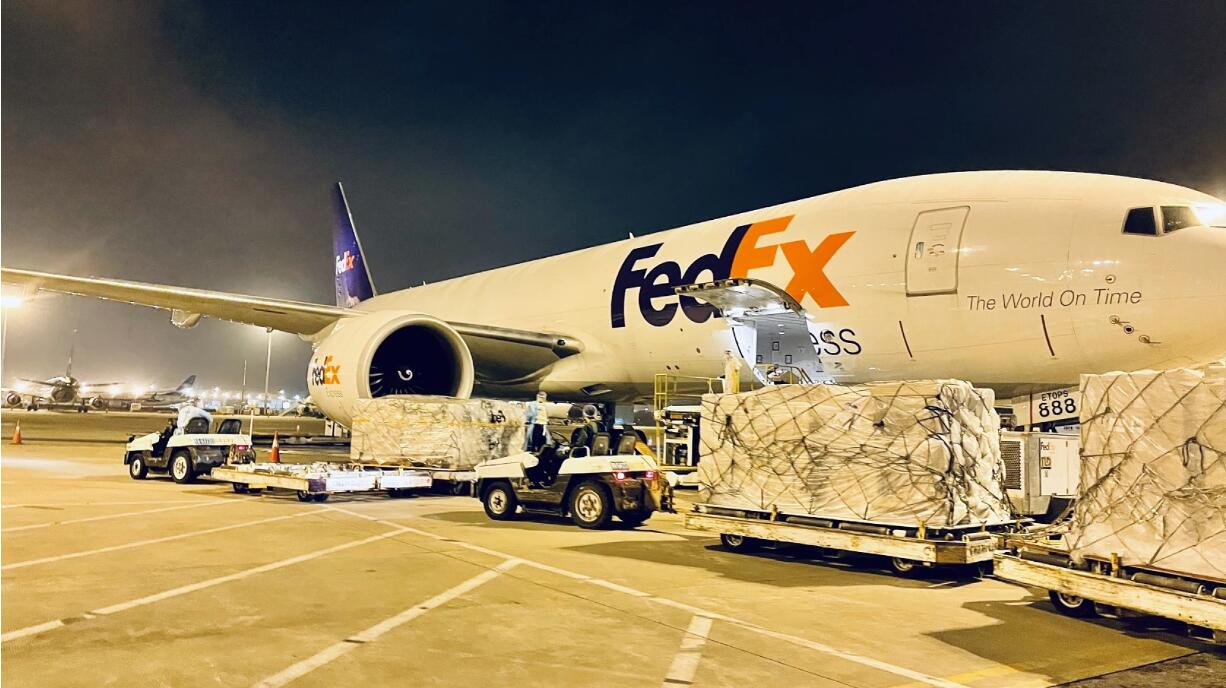
Shipping clothes by sea demands high-quality packaging to protect them from water, humidity, and damage during transit. The first step in ensuring the safety of your goods is securing the right packaging materials.
- Waterproof Packaging: Always use water-resistant bags or plastic wraps to protect the clothes from humidity and potential water damage during the journey. Waterproof packing is particularly important in sea freight, as the cargo may be exposed to unpredictable weather conditions.
- Airflow and Ventilation: Clothes need to breathe to avoid the growth of mold or mildew. Therefore, packaging should allow airflow while still protecting them from the elements. Consider using ventilated boxes or breathable packing materials like fabric pouches.
- Stacking and Padding: Ensure that your clothes are properly stacked and padded to avoid compression, which could result in wrinkles or damage. Bubble wrap, foam padding, or other shock-absorbent materials should be used, particularly for delicate fabrics.
2. Understanding Thai Customs Regulations
Thailand has specific regulations regarding the importation of goods, including clothes. Failing to adhere to these rules could lead to delays or extra charges. To avoid such issues, it is crucial to understand Thailand’s customs duties and taxes.
- HS Codes and Tariffs: Ensure that your shipment is accurately classified using the correct Harmonized System (HS) Code for clothing. This helps determine applicable customs duties and taxes. Be aware that import duties on clothing vary depending on the fabric and type of garment.
- Import Restrictions: While Thailand generally welcomes imported clothing, there may be restrictions on certain types of garments, especially those that are counterfeit or violate intellectual property rights. It’s essential to ensure that all items are original and meet Thai regulations.
- Documentation: You will need to provide proper documentation, including a commercial invoice, packing list, and bill of lading. These documents ensure smooth clearance through Thai customs and reduce the risk of delays.
3. Choosing the Right Shipping Method
Choosing the appropriate sea freight service is vital for ensuring that your clothes are transported in the most efficient and secure manner. The two main options for shipping by sea are Full Container Load (FCL) and Less than Container Load (LCL).
- Full Container Load (FCL): This option is best suited for larger shipments, where you can fill an entire container with your clothes. FCL is typically faster and more secure as it reduces the risk of damage from shared cargo.
- Less than Container Load (LCL): If you are shipping a smaller quantity, LCL is a cost-effective option. However, LCL shipments involve sharing container space with other goods, which may increase the risk of damage or delays. It’s essential to choose a reliable logistics provider for LCL shipments to minimize these risks.
4. Shipping Insurance: Why It’s Essential
Sea freight shipping is generally safe, but there are risks associated with transporting goods across long distances. Insurance is a must to protect your shipment against potential loss, theft, or damage. When shipping clothes to Thailand, choose a comprehensive insurance plan that covers the entire transit period, from loading the container to arrival at the destination.
- Types of Coverage: Make sure to discuss different insurance options with your logistics provider. For instance, All Risk Insurance covers a wide range of potential issues, while Limited Risk Insurance offers more specific protection. Choose based on the value of your shipment and your risk tolerance.
- Documentation for Insurance: Ensure that your shipment’s value is properly documented for insurance purposes. This will help you claim compensation in case of any mishaps.
5. Choosing a Reliable Shipping Partner
Selecting a trustworthy logistics company is crucial for the success of your sea freight shipment. A good shipping partner will provide you with:
- Clear communication about the status of your shipment.
- Timely updates on any potential delays.
- Customer support to help you navigate any challenges during the shipping process.
Look for shipping companies with experience in handling clothing shipments to Thailand and check reviews or ratings from other businesses. Customer feedback can provide insights into the reliability and quality of service offered by the company.
6. Estimating Shipping Costs and Timeframes
Sea freight is a cost-effective shipping method, but it’s still important to budget for the overall costs. The shipping cost will depend on several factors, such as the size of your shipment, the type of service (FCL or LCL), and the distance between your origin and destination ports. Additionally, you should account for any customs duties, taxes, and handling fees that may apply once the goods arrive in Thailand.
Shipping by sea typically takes longer than air freight, and the transit time will vary based on the departure and arrival ports. On average, sea freight shipping from China to Thailand takes approximately 10 to 20 days, but it could take longer depending on the specific conditions.
Conclusion
Shipping clothes to Thailand by sea can be a cost-effective and efficient way to transport large quantities of goods. However, to ensure that your shipment arrives safely and without complications, it’s essential to pay attention to proper packaging, customs regulations, insurance, and the selection of a reliable shipping partner. By following these precautions, you can minimize the risks involved and ensure a smooth shipping experience.

Adhering to the business philosophy of "customer-centric" honesty first, pragmatic innovation", we focus on providing customers with "professional, safe, efficient and economical" international logistics services, and strive to become the first choice in the minds of customers.
ADDRESS: 101 Qinghui International, No. 160 Qisha Ferry Road, Shatian Town, Dongguan City, Guangdong Province
CONTACT NUMBER: 13620081619 / 18680404400
CONTACT PERSON: Shelly / Alan
E-mail: shelly@qhgj56.com
alan@qhgj56.com
Copyright © 2025 QH INTERNATIONAL LOGISTICS LIMITED