
Clothing to Germany air transportation plan
- Time of issue:2025-08-27
Clothing to Germany air transportation plan
- Time of issue:2025-08-27
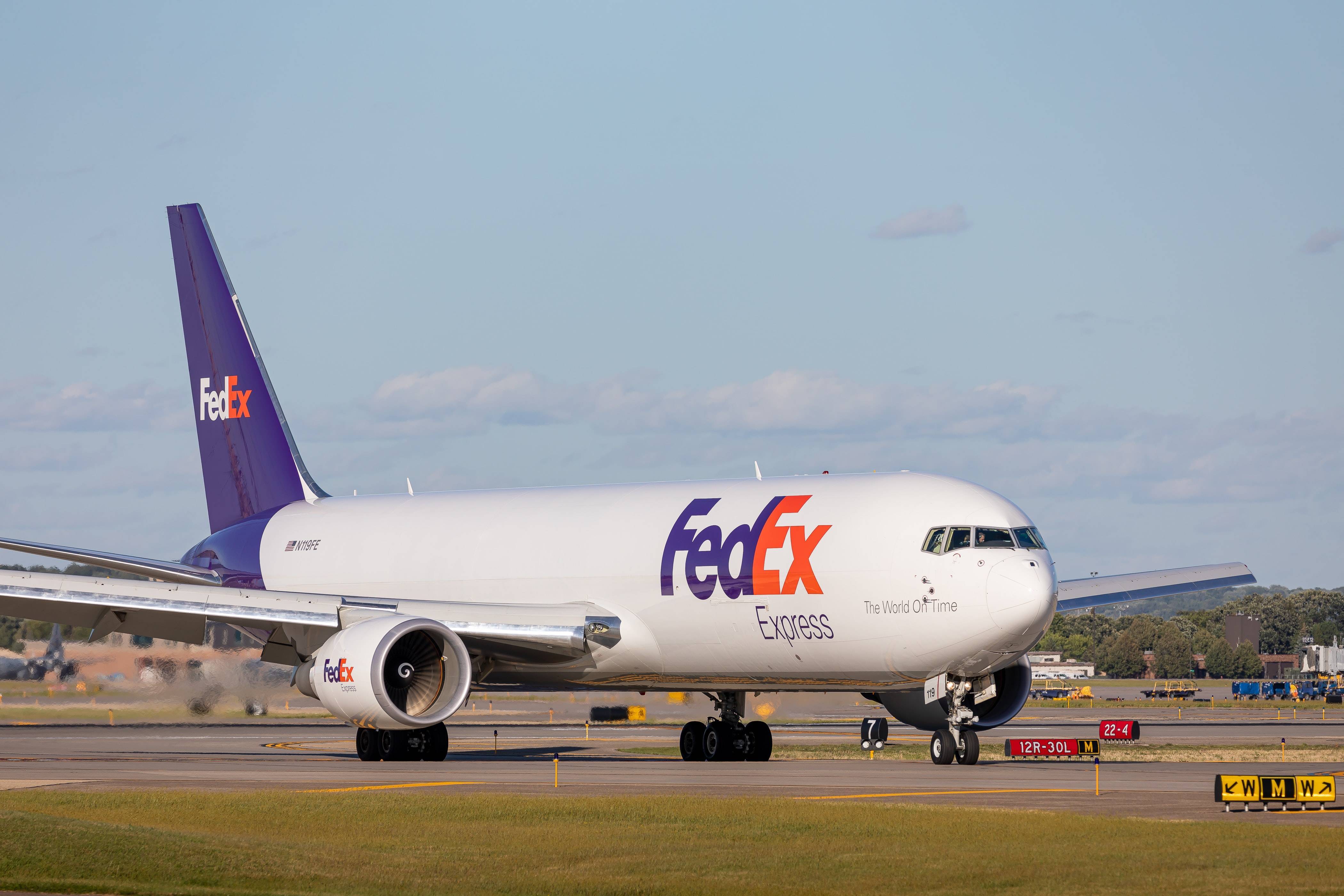
When considering the logistics of clothing transportation to Germany via air, businesses must plan carefully to ensure cost-efficiency, timely delivery, and compliance with local regulations. Air transportation is often the preferred method for businesses needing to move clothing products quickly, but the process involves several key considerations, including selecting the right air freight service, understanding customs procedures, and optimizing packaging for air travel.
Choosing the Right Air Freight Service for Clothing Transportation
The first step in the transportation process is selecting the right air freight provider. Different air carriers offer varying services, such as express delivery or economy options, each with its pros and cons. Express services offer the fastest delivery times, often within a few days, making them ideal for time-sensitive shipments. However, these services can be expensive. On the other hand, economy air freight provides a more cost-effective solution for non-urgent deliveries, but the transit time can be longer.
When choosing a service, consider factors like the delivery timeline, cost, and the type of clothing being shipped. For high-value or delicate clothing, extra care may be needed, which could warrant the use of specialized services, such as temperature-controlled containers or additional insurance.
Key Considerations for Customs and Regulations in Germany
Germany is a member of the European Union, which means customs regulations align with EU rules. Clothing items, like any other goods entering Germany, must comply with specific documentation and regulations to avoid delays or penalties.
Before shipping, ensure that all paperwork is prepared in advance, including the commercial invoice, packing list, and import declaration. Customs officials will also require proof of the clothing’s origin, such as a certificate of origin, especially if the clothing is manufactured outside of the EU. Additionally, some clothing items may be subject to value-added tax (VAT) upon arrival.
To streamline the process and avoid unnecessary delays, consider working with a freight forwarder who can handle the customs clearance process on your behalf. This expert can ensure that all regulations are met and that the shipment is delivered smoothly.
Packaging Clothing for Air Transport
One of the most important aspects of air freight is ensuring that goods are properly packaged for the journey. Since air freight typically involves quick handling and a fast-paced environment, packaging plays a key role in protecting clothing from damage.
Vacuum-sealing is an excellent option for packing clothing, as it minimizes the space taken up by each item, reducing shipping costs and making the most of limited cargo space. Additionally, clothing should be packed in durable, moisture-resistant bags to prevent any damage from humidity during transport. For garments that are particularly sensitive, such as luxury fashion items or those with delicate fabrics, customized packaging may be required to maintain their quality.
When shipping large quantities of clothing, consider using palletization for easier handling and stability during transit. Pallets also help in optimizing space and ensuring that the clothing arrives in a better condition, as they provide better protection during handling.
Cost Factors in Air Freight for Clothing
Shipping clothing by air can be expensive, so it's crucial to understand the cost breakdown and find ways to minimize expenses without compromising on the quality of service. Key cost factors include:
- Weight and Size of the Shipment: Air freight charges are generally based on either the weight or volume of the shipment, whichever is greater. Lightweight clothing may be less expensive to ship, while bulky items may incur higher costs due to their size.
- Shipping Distance: The distance between the origin and destination impacts the cost. Shorter routes generally cost less, but shipments coming from far-flung regions like Asia or the Americas may require more expensive routes.
- Additional Services: If you opt for additional services, such as expedited delivery or temperature-controlled environments, these will increase the overall cost.
For businesses looking to save on shipping costs, consolidating shipments and taking advantage of bulk air freight options may be beneficial. Grouping multiple smaller shipments together can lead to a significant reduction in per-unit shipping costs.
Key Benefits of Air Freight for Clothing Transportation
While air freight is generally more expensive than sea or land transport, it offers several distinct advantages, especially for clothing businesses looking to meet customer demand quickly.
- Speed: Air transportation offers significantly faster delivery times, which is crucial for industries such as fashion, where trends change rapidly, and customers expect fast deliveries.
- Reliability: Air freight services are generally more reliable and consistent than sea or road transport, with fewer delays and more frequent departures.
- Global Reach: Air freight allows businesses to easily reach international markets. Germany, as a key European hub, can be accessed quickly from nearly any part of the world.
Conclusion
Air transportation for clothing to Germany offers fast, reliable delivery but requires careful planning and consideration of various factors, including the selection of the right air freight service, customs compliance, packaging, and cost optimization. By understanding these key elements, businesses can ensure that their clothing shipments arrive on time, in excellent condition, and in compliance with all local regulations.
If you’re looking to expand your reach to Germany and other European markets, working with a knowledgeable logistics provider can make all the difference. Whether you’re shipping bulk inventory or high-end fashion items, air freight remains one of the most effective ways to get your clothing products to the market quickly and efficiently.

Adhering to the business philosophy of "customer-centric" honesty first, pragmatic innovation", we focus on providing customers with "professional, safe, efficient and economical" international logistics services, and strive to become the first choice in the minds of customers.
ADDRESS: 101 Qinghui International, No. 160 Qisha Ferry Road, Shatian Town, Dongguan City, Guangdong Province
CONTACT NUMBER: 13620081619 / 18680404400
CONTACT PERSON: Shelly / Alan
E-mail: shelly@qhgj56.com
alan@qhgj56.com
Copyright © 2025 QH INTERNATIONAL LOGISTICS LIMITED