

Precautions for shipping clothes to FedEx in Germany
- Time of issue:2025-08-20
Precautions for shipping clothes to FedEx in Germany
- Time of issue:2025-08-20
Shipping clothes internationally requires careful planning and preparation to ensure safe delivery and compliance with various regulations. When shipping clothes to Germany via FedEx, several precautions should be taken into account to streamline the process, minimize potential delays, and guarantee your package arrives in top condition. Below are essential guidelines for sending clothes to Germany using FedEx, covering everything from packaging to customs considerations.
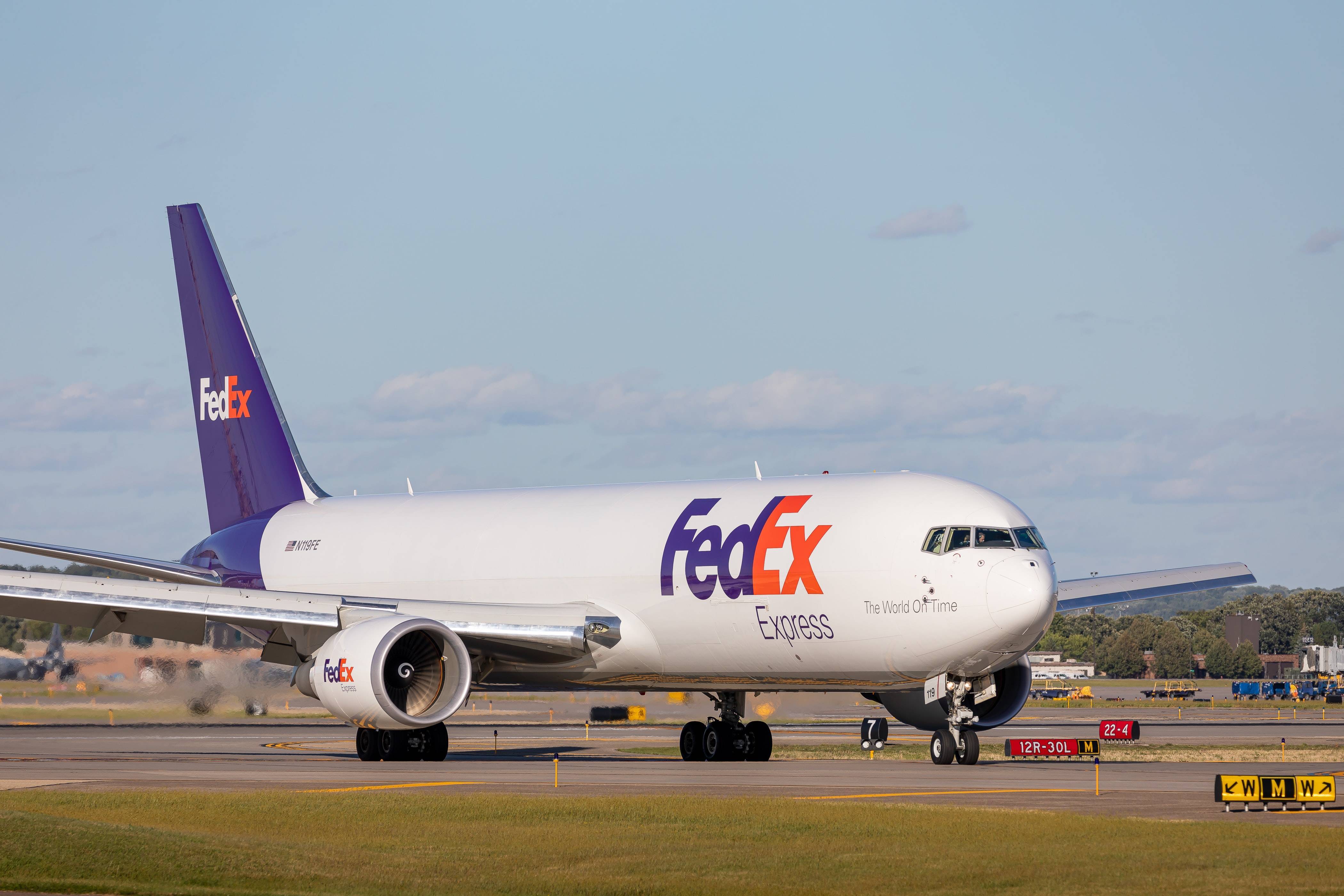
Proper Packaging of Clothes for Shipment
The first and most crucial step in shipping clothes is ensuring they are properly packaged. Clothes are often delicate, and improper packaging can lead to damage, wrinkles, or contamination during transit. Use high-quality, durable packaging materials such as sturdy boxes or poly-mailers, depending on the size and quantity of items being shipped.
For clothes, vacuum-sealing is an effective way to save space and reduce bulk. Not only does it help protect the garments from moisture, dust, and odors, but it also ensures that they are compact and easier to handle during shipping. If you're shipping delicate fabrics like silk or wool, consider using tissue paper or garment bags to provide an additional layer of protection.
Labeling and Documentation Requirements
When shipping clothes to Germany via FedEx, you must accurately label your package. Make sure to write clear, legible addresses for both the sender and recipient, including postal codes. Additionally, ensure that the sender’s contact details (phone number and email address) are included, as this information can be critical for any potential issues during delivery.
Customs documentation is another critical aspect when shipping internationally. Germany, as part of the European Union (EU), requires that all goods entering the country must be declared. You will need to fill out a customs declaration form (typically the CN22 or CN23, depending on the value of the goods) and include it with your package. This form should describe the contents of your package, its value, and the country of origin. Be sure to provide accurate and honest information to avoid delays at customs.
Understanding Customs and Duties
Germany imposes customs duties and taxes on goods entering the country, and this includes shipments of clothing. The value of the goods you are shipping, along with the tariff classification, determines whether duties or taxes will be assessed. Generally, clothes for personal use are exempt from customs duties if the total value is under a certain threshold, but this limit varies depending on the current EU regulations.
FedEx offers customs brokerage services, which can help ensure that your shipment complies with all German regulations and avoids unnecessary delays. However, it is essential to confirm any additional fees for customs clearance before sending the package. To prevent surprises, it’s recommended to research the current customs duty rates in Germany or consult with FedEx’s customer service for guidance.
Shipping Methods and Estimated Delivery Time
FedEx offers multiple international shipping options, including FedEx International Priority, FedEx International Economy, and FedEx International Ground. The method you choose will affect the delivery time and cost of shipping your clothes to Germany. For faster delivery, FedEx International Priority offers next-day delivery to major cities in Germany, while FedEx International Economy offers a more budget-friendly option with a slightly longer transit time.
If you are not in a hurry, FedEx International Ground may be the most cost-effective choice for less time-sensitive shipments. Always be sure to track your shipment using FedEx’s online tracking system to monitor its progress and receive updates on its estimated arrival.
Prohibited Items and Restrictions
Certain items are prohibited from being shipped into Germany, and it is essential to ensure that your clothing shipment complies with these regulations. For example, items made from certain animal products, such as furs or leather, may be subject to restrictions. Additionally, clothing containing prohibited substances (e.g., hazardous chemicals or dyes) is not allowed.
Before shipping, double-check that none of the clothes you are sending contain restricted materials. If you are unsure whether an item is acceptable, you can always reach out to FedEx for clarification or consult the official German customs website for the most up-to-date information on import regulations.
Considerations for Shipping Fragile or Luxury Clothes
If you are shipping fragile or high-value clothing, such as designer garments or fragile fabrics, additional precautions may be necessary. Consider opting for extra insurance to cover potential loss or damage during transit. You may also want to choose a faster shipping method to minimize the time your garments spend in transit.
Additionally, tracking and delivery notifications are crucial for valuable shipments, ensuring you can keep an eye on the package’s status and be notified upon delivery. Some premium shipping options also offer signature confirmation upon receipt, providing an added layer of security for valuable items.
Preparing for Delivery and Receipt
Once your clothes have been shipped, ensure that the recipient is prepared to receive the package. FedEx delivery services often require someone to be present to sign for the shipment. If no one is available, FedEx may leave a delivery notice or attempt re-delivery, which could delay the arrival of your package.
If you are sending clothes to a recipient in a remote or rural area, be aware that delivery times may vary, and shipping costs could be higher. It is also advisable to inform the recipient to be available during business hours for easier delivery coordination.
Conclusion
Shipping clothes to Germany via FedEx requires careful attention to detail, from the proper packaging to understanding customs regulations. By following these precautions—ensuring your clothes are packed securely, filling out the correct customs paperwork, selecting the appropriate shipping method, and being aware of any restrictions—you can significantly reduce the risk of delays, damage, or unexpected costs. Whether you’re sending clothes for personal use or as part of a business transaction, taking the time to properly prepare your shipment will help ensure it arrives in perfect condition and on time.

Adhering to the business philosophy of "customer-centric" honesty first, pragmatic innovation", we focus on providing customers with "professional, safe, efficient and economical" international logistics services, and strive to become the first choice in the minds of customers.
ADDRESS: 101 Qinghui International, No. 160 Qisha Ferry Road, Shatian Town, Dongguan City, Guangdong Province
CONTACT NUMBER: 13620081619 / 18680404400
CONTACT PERSON: Shelly / Alan
E-mail: shelly@qhgj56.com
alan@qhgj56.com
Copyright © 2025 QH INTERNATIONAL LOGISTICS LIMITED