Clothes shipped to the UK by sea, including taxes and double clearance, to your doorstep
- Time of issue:2025-08-18
Clothes shipped to the UK by sea, including taxes and double clearance, to your doorstep
- Time of issue:2025-08-18
When it comes to importing clothes to the UK, many people find that shipping by sea is the most cost-effective method, especially for bulk shipments. However, the process of importing clothes involves several steps, including taxes, customs clearance, and final delivery to your doorstep. This guide will walk you through everything you need to know about shipping clothes to the UK by sea, covering the entire process from start to finish.
1. Shipping Clothes to the UK by Sea: The Basics
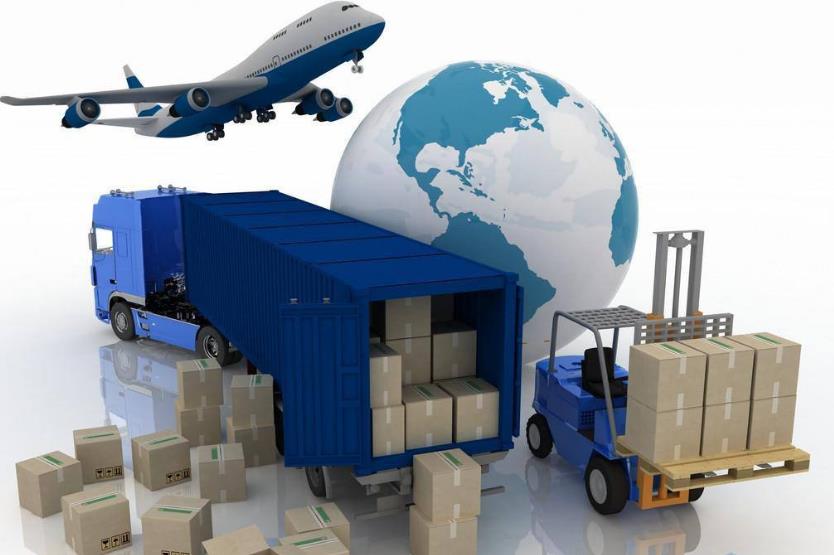
Sea freight is one of the most common and affordable ways to ship large quantities of goods internationally. For importing clothes to the UK, sea freight offers several advantages such as lower shipping rates and the ability to transport a wide range of clothing items. However, it’s important to remember that sea freight involves longer transit times compared to air shipping, so it’s best suited for those who don’t need immediate delivery.
When shipping clothes by sea, the first step is to choose the right shipping method. Most businesses or individuals use Full Container Load (FCL) or Less Than Container Load (LCL) depending on the volume of their shipment. FCL is ideal for large shipments as it fills an entire container, while LCL is more economical for smaller shipments, as your goods are consolidated with those of other shippers.
2. The Importance of Customs Clearance
Once your clothes arrive in the UK, they will need to go through customs clearance before they can be delivered to your doorstep. The process ensures that all the necessary taxes and duties are paid and that the imported goods comply with UK regulations.
Before shipping, it’s essential to prepare the correct documentation for customs clearance. This includes the invoice, packing list, and any other required documents like certificates of origin. Missing or incorrect documentation can lead to delays or additional costs.
3. Taxes and Duties on Clothes Imported to the UK
One of the key considerations when importing clothes to the UK is the application of import duties and VAT. The UK applies customs duties on goods coming from outside the EU, and clothes are no exception. The rate of duty depends on the type of clothing, its value, and the country of origin.
In addition to import duties, VAT (Value Added Tax) is also applicable on most goods imported to the UK. The standard VAT rate is 20%, and it is calculated based on the total cost of the goods, including shipping, insurance, and any other additional charges.
For example, if you’re importing a batch of clothes worth £1,000 and the shipping cost is £200, the VAT will be calculated on the combined value of £1,200. It's also important to note that there may be additional handling fees for the customs clearance process, which are typically paid to the courier or logistics company handling the shipment.
4. Double Clearance: What Does It Mean?
In some cases, your shipment may require double clearance, especially if the clothes are going to be distributed within the EU or processed for re-export. Double clearance involves clearing the goods both at the port of entry into the UK and then again when they are transferred to their final destination. This process ensures that everything complies with both local and international trade regulations.
While this may add complexity to the process, it’s often necessary to avoid customs issues or penalties in the future. Double clearance also ensures that goods are correctly classified, which can help avoid delays in case of customs audits.
5. Doorstep Delivery: The Final Step
Once the clothes have been cleared by customs and all taxes have been paid, the final step is delivery to your doorstep. Many logistics companies offer door-to-door shipping services, meaning they will handle everything from the port of entry in the UK to your final destination. The time it takes for your clothes to arrive will depend on various factors, including the shipping method, port congestion, and the speed of customs clearance.
To ensure smooth and timely delivery, it’s important to work with reliable couriers or freight forwarding companies that specialize in international shipments. They can provide you with tracking information, updates on the shipment’s status, and help you resolve any issues that may arise during the process.
6. How to Minimize Import Costs
While importing clothes by sea is generally cost-effective, there are still ways to minimize your overall costs. First, consider shipping in bulk to take advantage of lower per-unit shipping rates. If possible, consolidate shipments with other suppliers or vendors to reduce the cost of LCL shipments.
Additionally, it’s essential to stay informed about trade agreements that may reduce duties or VAT on certain types of goods. The UK has trade agreements with various countries, including preferential rates for certain types of clothing. By being aware of these agreements, you can potentially save a significant amount on duties and taxes.
Conclusion
Shipping clothes to the UK by sea offers a cost-effective solution for bulk imports, but it involves several important steps, including taxes, customs clearance, and final delivery. By understanding the key stages of the process—ranging from choosing the right shipping method to managing double clearance and taxes—you can ensure a smooth experience from start to finish. Additionally, by partnering with reliable logistics providers, you can minimize the risks of delays and unexpected costs. Whether you're a business owner or an individual looking to import clothes, understanding the process is crucial for a successful and cost-effective shipment.

Adhering to the business philosophy of "customer-centric" honesty first, pragmatic innovation", we focus on providing customers with "professional, safe, efficient and economical" international logistics services, and strive to become the first choice in the minds of customers.
ADDRESS: 101 Qinghui International, No. 160 Qisha Ferry Road, Shatian Town, Dongguan City, Guangdong Province
CONTACT NUMBER: 13620081619 / 18680404400
CONTACT PERSON: Shelly / Alan
E-mail: shelly@qhgj56.com
alan@qhgj56.com
Copyright © 2025 QH INTERNATIONAL LOGISTICS LIMITED