
Clothes shipped to Canada by sea including tax to door
- Time of issue:2025-08-15
Clothes shipped to Canada by sea including tax to door
- Time of issue:2025-08-15
Shipping Clothes to Canada by Sea: A Complete Guide Including Tax to Door
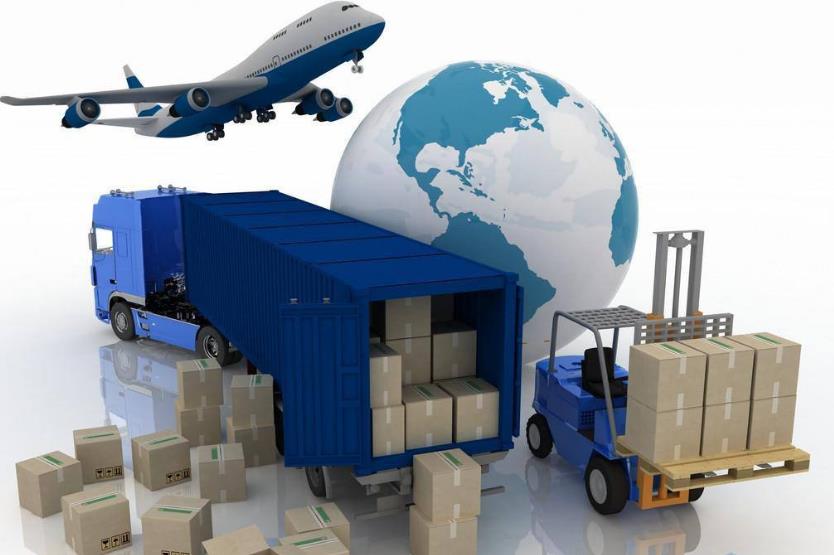
When it comes to shipping clothes to Canada, many factors need to be taken into account, including the method of shipping, customs regulations, and taxes that will apply upon arrival. Among various shipping methods, sea freight is often the most cost-effective, especially for bulk shipments. In this article, we will explore everything you need to know about shipping clothes to Canada by sea, with a focus on taxes and door-to-door delivery.
Why Choose Sea Freight for Shipping Clothes?
Sea freight remains one of the most economical shipping options, especially for larger quantities of goods like clothing. Unlike air freight, which is typically faster but more expensive, sea shipping offers a slower, yet more affordable alternative. If you're looking to import large amounts of clothing to Canada—whether you're a business owner or an individual—sea freight can help save significant costs.
Furthermore, sea freight allows for a much larger shipment size compared to air freight, making it ideal for bulk orders or wholesale shipments. This is particularly beneficial if you're in the clothing business and need to ship a large number of items at once.
The Shipping Process: From Origin to Destination
Shipping clothes from abroad to Canada by sea involves several key steps. Here's an overview of the process:
1. Booking the Shipment: The first step in the process is to book your shipment with a reputable sea freight carrier. Depending on your needs, you may choose a Full Container Load (FCL) or a Less than Container Load (LCL) shipment. FCL is ideal for larger quantities, while LCL is more suitable for smaller, less bulky shipments.
2. Cargo Handling and Packaging: Proper packaging is crucial when shipping clothes to ensure they arrive in good condition. Clothes should be packed in sturdy cartons or containers that protect the garments from moisture, dirt, and damage during transit. If shipping a large quantity, it’s important to work with a packaging expert to minimize the risk of damage.
3. Sea Transit: Once your goods are ready, they will be loaded onto a container and shipped by sea. The transit time can vary depending on the shipping route, but generally, it takes anywhere from 20 to 30 days to ship clothes from international ports to Canada.
4. Customs Clearance: Upon arrival at the Canadian port, your shipment will go through customs clearance. This involves a review of the shipment’s documentation, such as invoices, packing lists, and shipping bills. Customs officers will assess whether any duties or taxes are owed, which leads us to the next important aspect of the process: taxes.
Understanding Taxes and Duties on Clothes Shipments to Canada
When shipping clothes to Canada, customs duties and sales tax are important to consider. Here’s a breakdown of what to expect:
1. Customs Duties: The Canadian Border Services Agency (CBSA) imposes customs duties on certain imported goods. Clothing, in general, may be subject to tariffs, depending on the country of origin and the specific type of clothing. However, Canada has trade agreements with several countries that may reduce or eliminate these duties.
2. Sales Tax (GST/HST): In addition to customs duties, Goods and Services Tax (GST) or Harmonized Sales Tax (HST) may also apply to imported clothing. The tax rate varies by province. For example, Ontario charges an HST of 13%, while in Alberta, the rate is only 5% for GST.
3. Exemptions and Limits: In some cases, small shipments valued under a certain threshold may be exempt from duties and taxes. For instance, clothing items valued at under $20 CAD may not incur any duties. However, these thresholds are subject to change, so it’s important to check the most recent rules before shipping.
4. Import Permit: Certain clothing types may require an import permit or be subject to restrictions under Canadian law. Be sure to confirm whether your shipment qualifies for any exemptions or needs special permits.
Door-to-Door Delivery: Convenience and Final Steps
Once your goods clear customs, the next stage is door-to-door delivery. Many shipping companies offer this service, meaning they will handle the final leg of the journey from the port to your address. This is a convenient service for those who don’t want to deal with the hassle of picking up their goods from a warehouse or port.
1. Shipping Costs: The cost of door-to-door delivery varies depending on the shipping company, distance, and the weight of the shipment. Be sure to compare different carriers to find the best deal.
2. Tracking and Notifications: Most modern freight companies offer online tracking services, so you can monitor the progress of your shipment from the port to your doorstep. You’ll also receive notifications regarding customs clearance, delivery schedules, and any potential delays.
3. Final Delivery and Receiving: Once the shipment reaches your address, it will be delivered directly to your door. You may be required to pay any remaining taxes and duties at this stage. Ensure that all documents are in order before accepting the shipment to avoid any surprises.
Key Considerations for Shipping Clothes to Canada by Sea
While sea freight offers an affordable and reliable way to ship clothes, there are some important considerations to keep in mind:
- Shipping Time: Sea freight can be slow, especially compared to air shipping. If you need the items urgently, air freight may be a better option.
- Customs Documentation: Ensure that all paperwork is completed accurately to avoid delays at customs.
- Packaging and Protection: Proper packaging is essential for preventing damage to clothes during transit.
- Import Taxes and Duties: Research the current customs duties and tax rates in Canada to budget for the full cost of the shipment.
Conclusion
Shipping clothes to Canada by sea is a cost-effective solution for businesses and individuals alike. However, it’s important to be aware of the customs processes, taxes, and the time it takes for the shipment to arrive. By understanding the full process and planning ahead, you can ensure a smooth and hassle-free shipping experience, with the added convenience of door-to-door delivery. Whether you're shipping a small personal order or a large commercial shipment, sea freight can provide an efficient and budget-friendly option for shipping clothes to Canada.

Adhering to the business philosophy of "customer-centric" honesty first, pragmatic innovation", we focus on providing customers with "professional, safe, efficient and economical" international logistics services, and strive to become the first choice in the minds of customers.
ADDRESS: 101 Qinghui International, No. 160 Qisha Ferry Road, Shatian Town, Dongguan City, Guangdong Province
CONTACT NUMBER: 13620081619 / 18680404400
CONTACT PERSON: Shelly / Alan
E-mail: shelly@qhgj56.com
alan@qhgj56.com
Copyright © 2025 QH INTERNATIONAL LOGISTICS LIMITED